Jacqueline Ntaka, Opinion
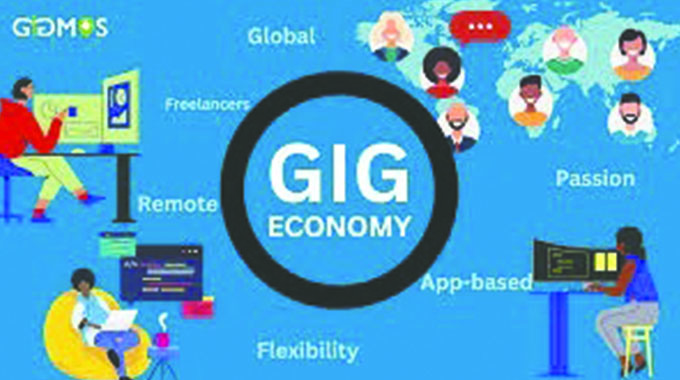
THE global shift towards flexible, on-demand labour has been propelled by the rise of the gig economy — a system characterised by temporary contracts and freelance work. Digital platforms and mobile applications serve as the primary engines of this new work model, directly connecting individuals with clients and consumers for specific tasks or services. In Zimbabwe, this transformation is increasingly visible, from ride-hailing services to online creative marketplaces, as these tools reshape the traditional employment landscape.
For many Zimbabweans, the gig economy presents a compelling alternative to formal employment. The benefits are immediate and tangible. Digital platforms offer workers the freedom to set their own schedules, allowing a driver on a ride-hailing app, a graphic designer on an international freelance site, or a consultant to work at their convenience.
This autonomy provides a level of control over work-life balance that is often unattainable in conventional employment.
Moreover, digital tools break down geographical barriers, enabling Zimbabwean professionals to access broader markets. Writers, software developers, and other creatives can compete for contracts on platforms such as Upwork or Fiverr, reaching clients and payment rates that are unavailable locally. Similarly, local apps empower drivers and delivery workers to connect with a wide customer base without the need for a physical office or costly marketing.
Gig work also serves as a vital source of supplemental income. In an economy frequently marked by volatility, earning extra through a delivery service or freelance project can provide a crucial financial buffer for families. The relatively low barriers to entry further enhance accessibility. Unlike formal jobs that often demand specific qualifications or extensive experience, many gig opportunities require only a smartphone, a reliable internet connection, and the necessary skills — making them particularly attractive to young people.
However, the gig economy is not without its challenges. It introduces significant risks for workers, especially within Zimbabwe’s socio-economic context. Gig workers are typically not classified as employees, meaning they are excluded from essential benefits such as fixed salaries, paid leave, sick days, or pension contributions. This lack of a social safety net is especially precarious in a country where alternative support systems are limited.
Income volatility is another pressing concern. A gig worker’s earnings are directly tied to the availability of work, which can be unpredictable. This instability makes budgeting, saving, or securing credit difficult, as monthly income can fluctuate dramatically. The low barrier to entry, while beneficial in some respects, also leads to market saturation. Fierce competition among gig workers can drive down prices for services, putting downward pressure on wages — particularly on platforms that deduct significant commissions.
Furthermore, gig workers often have limited rights and recourse. They possess little negotiating power with the digital platforms that govern their work and can be deactivated or removed without a transparent appeals process.
The legal framework surrounding this new form of labour is still evolving, leaving workers vulnerable within a regulatory vacuum.
Ultimately, the gig economy, powered by digital innovation, represents a double-edged sword for Zimbabwean workers. It offers essential opportunities for flexibility and income generation, yet it does so at the expense of traditional job security, benefits, and worker protections. As this model of work continues to expand, there is an urgent need for policymakers, platforms, and workers themselves to address these challenges.
l Jacqueline Ntaka is the CEO of Mviyo Technologies, a local tech company that provides custom software development, mobile applications and data analytics solutions. She can be contacted on [email protected]