

 Online Reporter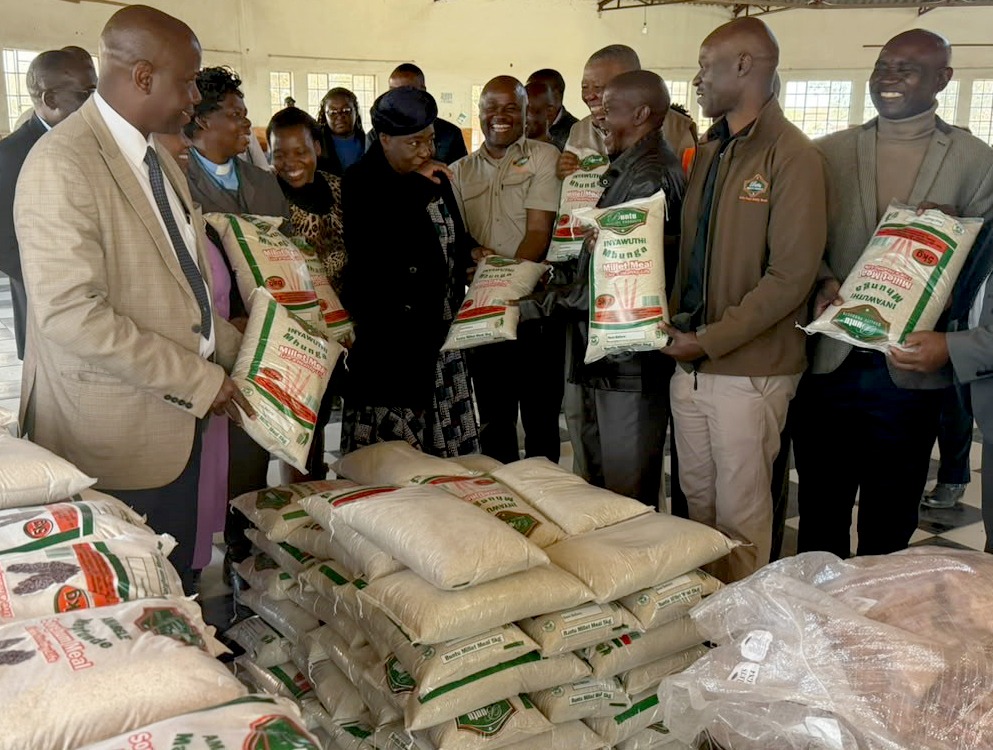
Sikhumbuzo Moyo, [email protected]
TWO Bulawayo companies have stepped forward to provide vocational training to Zimbabweans returning from South Africa to equip the returnees with practical skills to rebuild their lives and earn a living.
The initiative by Bhiza Chemicals and Ubuntu Foods is part of a growing private-sector response to Government’s call for businesses, churches and other organisations to help returning citizens secure a soft landing and reintegrate into their communities.
The companies made the commitment yesterday during the handover of two tonnes of sorghum and millet mealie-meal to returnees at the United Congregational Church of Southern Africa (UCCSA) transit centre in Njube suburb, Bulawayo.
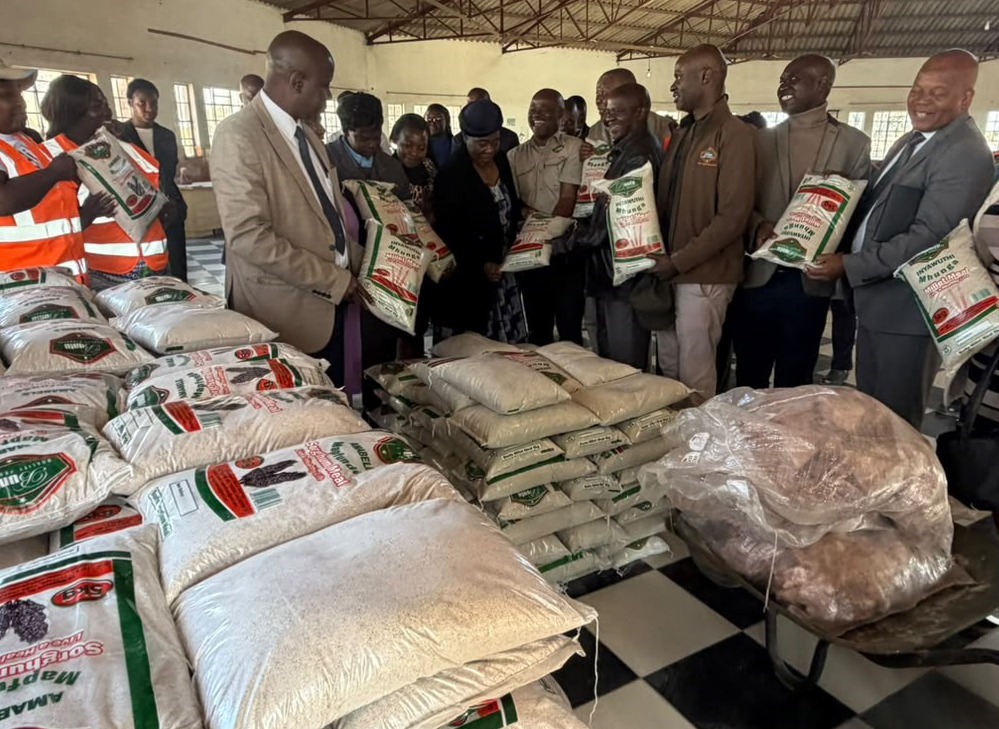
The donation was received by Minister of State for Bulawayo Provincial Affairs and Devolution Cde Judith Ncube.
Bhiza Chemicals managing director Mr Sunungurai Bhiza, who also represented Ubuntu Foods, said the companies wanted to ensure that returnees left the transit centre with more than food aid, but with skills that could provide a foundation for self-reliance.
“The other thing that we looked into is that some of these returnees are unskilled while others are skilled and as companies, we have the knowledge in various skills,” said Mr Bhiza.
He said the companies will work with authorities to go through the database of returnees and identify individuals who could benefit from the different training programmes.
The training will cover areas including chemical manufacturing and confectionery and the companies will strive to match beneficiaries skills training with individuals’ interests and opportunities available in their communities.
“We want to see life into these people who are coming back so that they know and have something to start from,” said Mr Bhiza.
The intervention comes at a critical point for many returnees who have limited resources.
Mr Bhiza said the companies were responding to concerns raised by Minister Ncube during engagements over the plight of returnees.
“On the donations, we always meet Minister Ncube and during those meetings, she is always worried with conditions of the people coming from South Africa who have nothing to eat and nowhere to start from,” he said.
“My colleague from Ubuntu, Mr Golden Muhoni, said that the burden cannot be left to the Minister alone or the Government because the President said let us give our fellow Zimbabweans a soft landing so that they can go to their homes and start a new life.”
Mr Bhiza said the donation of food was only the beginning of the companies’ intervention, with further assistance planned for the transit centre.
“What we have done here is just the beginning, more will be coming,” he said.
For returnees, the vocational training could prove more significant than short-term assistance as it will enable them to start income-generating projects.
Minister Ncube welcomed the intervention, saying it demonstrated the importance of collective responsibility.
“This is exactly what the Government has been calling for and we need to support such initiatives,” she said.
Minister Ncube said the involvement of the private sector, churches and other organisations would strengthen Government’s efforts by addressing both the immediate and long-term needs of returnees.
The UCCSA transit centre is among facilities providing temporary support to Zimbabweans returning from South Africa.
While food, shelter and other basic necessities remain an immediate priority, the Government and stakeholders are increasingly focusing on skills development, improved livelihoods and economic reintegration to ensure returnees can rebuild their lives once they leave the transit centres.
The vocational training programme therefore offers a potential bridge between emergency assistance and sustainable reintegration, giving returnees practical tools to become economically productive in their communities.




 Bongani Ndlovu