Online Reporter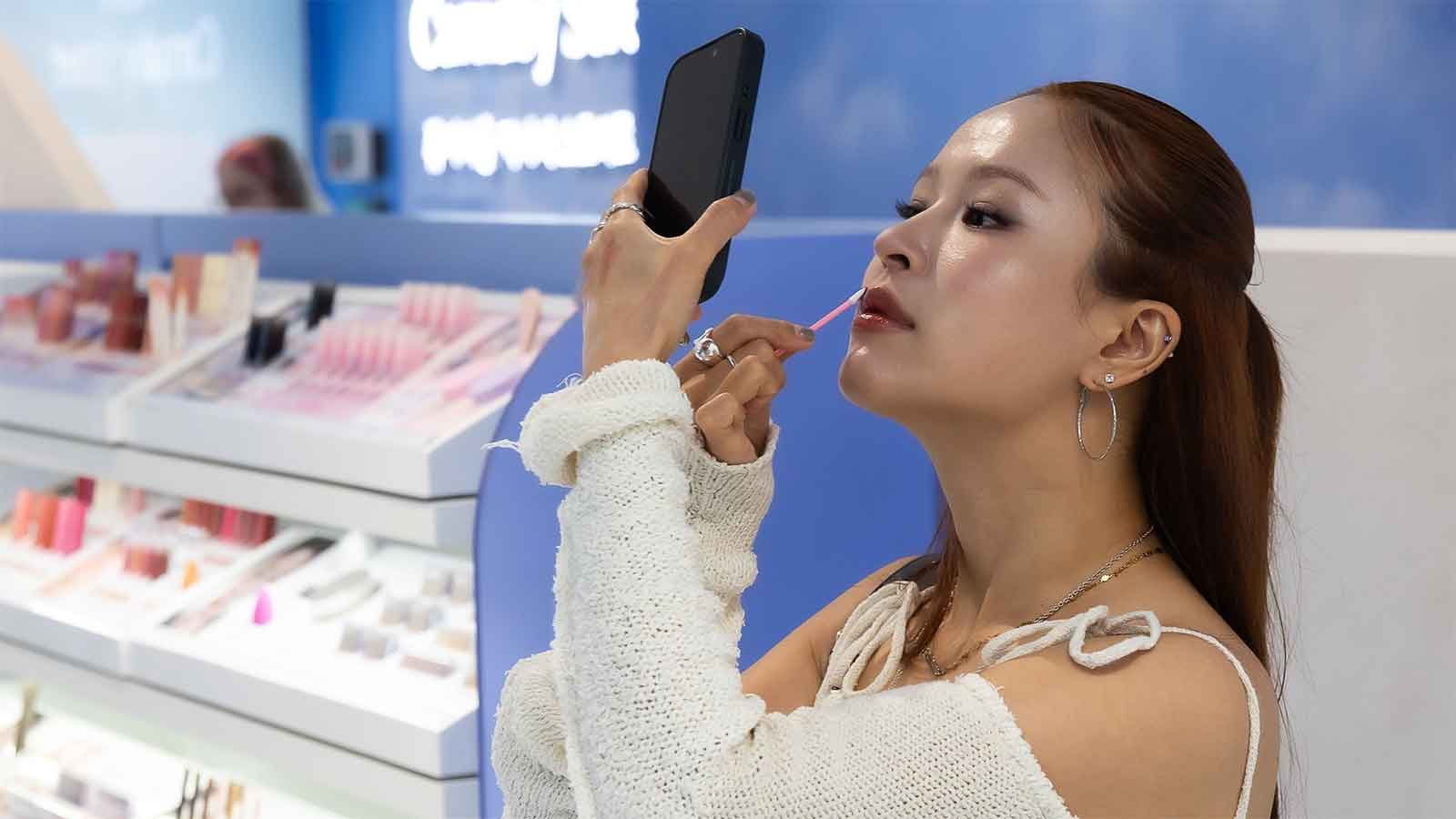
Tafadzwa Zimoyo-Fashion 263 Editor
THEY say your skin is the first outfit you wear every day.
Nowhere is that philosophy more evident than in South Korea, where skincare has evolved into a national culture, a thriving industry and one of the country’s most influential global exports.
It is true that before the world fell in love with K-pop and K-dramas, South Korea had already mastered another art — the pursuit of healthy, radiant skin.
In the country’s beauty capital, skincare is not a trend; it is a way of life.
In the fashion world, clothing often takes centre stage. But in South Korea, the most important accessory is neither a designer handbag nor luxury shoes — it is healthy, glowing skin.
Like many people, I arrived in South Korea expecting to be captivated by K-dramas, K-pop, technology and futuristic cities.
I certainly was.
But there was another side of Korean culture that quietly fascinated me — its unwavering commitment to skincare.
As a fashion journalist, I naturally pay attention to what people wear, how they present themselves and the trends shaping the global beauty industry.
Yet, in South Korea, I quickly realised that fashion begins long before clothes are chosen. It begins with the skin.
In Seoul, skincare is not reserved for women, celebrities or social media influencers.
It is a way of life.
Men and women, young and old, invest in caring for their skin with the same seriousness that many people reserve for their wardrobes. My friends back home quickly reminded me of this after seeing where I was. Messages flooded in: “Bring us Korean skincare products!”
Many joked that I was privileged because I was at the source of products that have become popular across Zimbabwe, Africa and Europe.
However, I soon discovered that Korean skincare is not simply about picking products from shelves. Many stores offer consultations, while some customers seek professional advice before choosing products suited to their skin. Popular destinations such as Olive Young have helped make Korean beauty accessible worldwide.
What impressed me most was that skincare in Korea is not about chasing perfection — it is about respecting your skin.
Walking through Seoul, Busan and other cities, I was struck by the sheer number of skincare stores, dermatology clinics and beauty boutiques.
It seemed almost every shopping district had one. Among the most recognisable was Olive Young, the country’s leading health and beauty retailer, where shelves overflow with cleansers, serums, sunscreens, sheet masks and moisturisers from some of Korea’s biggest skincare brands.
Another popular destination was Lalavla, known for its wide selection of beauty and wellness products, while LOHB’s (Love, Health & Beauty) attracted shoppers looking for premium skincare and cosmetics.
Department stores such as Shinsegae Beauty Hall also housed luxury Korean and international skincare brands alongside professional beauty consultants.
Together, these stores have transformed South Korea into one of the world’s skincare capitals. But what surprised me most was that buying skincare products is not always as straightforward as walking into a shop and filling a basket.
In many cases, skincare is approached as healthcare. During conversations with locals and beauty consultants, I learnt that many Koreans first seek advice from dermatologists before investing in products, especially when dealing with acne, pigmentation, eczema or sensitive skin.
Some medical-grade creams and treatments require prescriptions.
Others are recommended only after a professional skin analysis.
One consultant explained that even products that might appear ordinary to foreign visitors are selected carefully according to an individual’s skin type.
The philosophy is simple: healthy skin comes before beautiful skin.
That level of care impressed me.
Back home, many of us are guilty of buying products because they are trending on social media or because someone recommended them.
In South Korea, the approach is different.
Skincare is personalised.
It is scientific.
It is preventative.
Before recommending products, dermatologists often examine the skin using advanced imaging technology that measures hydration levels, pigmentation, pore size, elasticity and oil production.
From there, patients receive customised treatment plans that may include topical products, dietary advice, laser therapy or specialised facial treatments.
Nothing is left to guesswork.
The process reflects a culture that believes prevention is always better than correction.
It also explains why South Korea has become synonymous with what beauty enthusiasts around the world call “glass skin.”
The phrase has become one of the biggest beauty trends of the past decade.
Glass skin describes a complexion that appears exceptionally smooth, intensely hydrated, healthy and naturally radiant — almost translucent like polished glass.
Although millions attempt to recreate the look using online tutorials, I realised while in Korea that glass skin is not created overnight. It is the result of consistency, education and discipline. Many Koreans follow detailed skincare routines that focus on cleansing, hydration, sun protection and repairing the skin barrier rather than simply covering imperfections with makeup.
Sunscreen, in particular, is treated almost as an essential daily accessory.
Regardless of the season, protecting the skin from ultraviolet rays forms part of everyday life. Perhaps that is why flawless skin is admired not as a symbol of vanity but as a reflection of good health.
Another misconception I had before travelling was that skincare was mostly associated with women. South Korea quickly corrected that assumption.
Men confidently browse skincare aisles, purchase facial cleansers and moisturisers, visit dermatologists and discuss skincare without embarrassment.
Looking after one’s skin is viewed as personal hygiene and self-care rather than a gender issue. That cultural mindset was refreshing. In many parts of Africa, conversations around skincare for men are still evolving.
In Korea, they have long become normal.
What also stood out was the professionalism within the beauty industry.
Beauty advisers were not merely trying to sell products. Many asked questions about skin type, concerns and routines before recommending anything. The emphasis was on finding the right solution rather than making the quickest sale. It reminded me that skincare should never be about blindly following trends. It should be about understanding your own skin.
Interestingly, while my focus in South Korea was largely on culture, technology and the International Youth Fellowship World Camp, my phone kept buzzing with messages from friends back home.
“Please bring me Korean skincare.”
“Don’t forget sunscreen.”
“I need a serum.”
The requests kept coming.
It became obvious that Korean skincare has built a reputation that stretches far beyond Asia. Many of the products found in Zimbabwean beauty stores and across Europe trace their origins to South Korea, where research, innovation and cosmetic science continue to shape global beauty standards.
Yet after seeing the Korean approach firsthand, I found myself offering the same advice repeatedly:
Don’t buy products simply because they are popular.
Know your skin first.
Consult professionals where necessary.
The best skincare routine is not the most expensive one — it is the one designed for your skin.
Perhaps that is South Korea’s greatest beauty lesson.
The country’s success is not built on miracle creams or fashionable packaging.