Online Reporter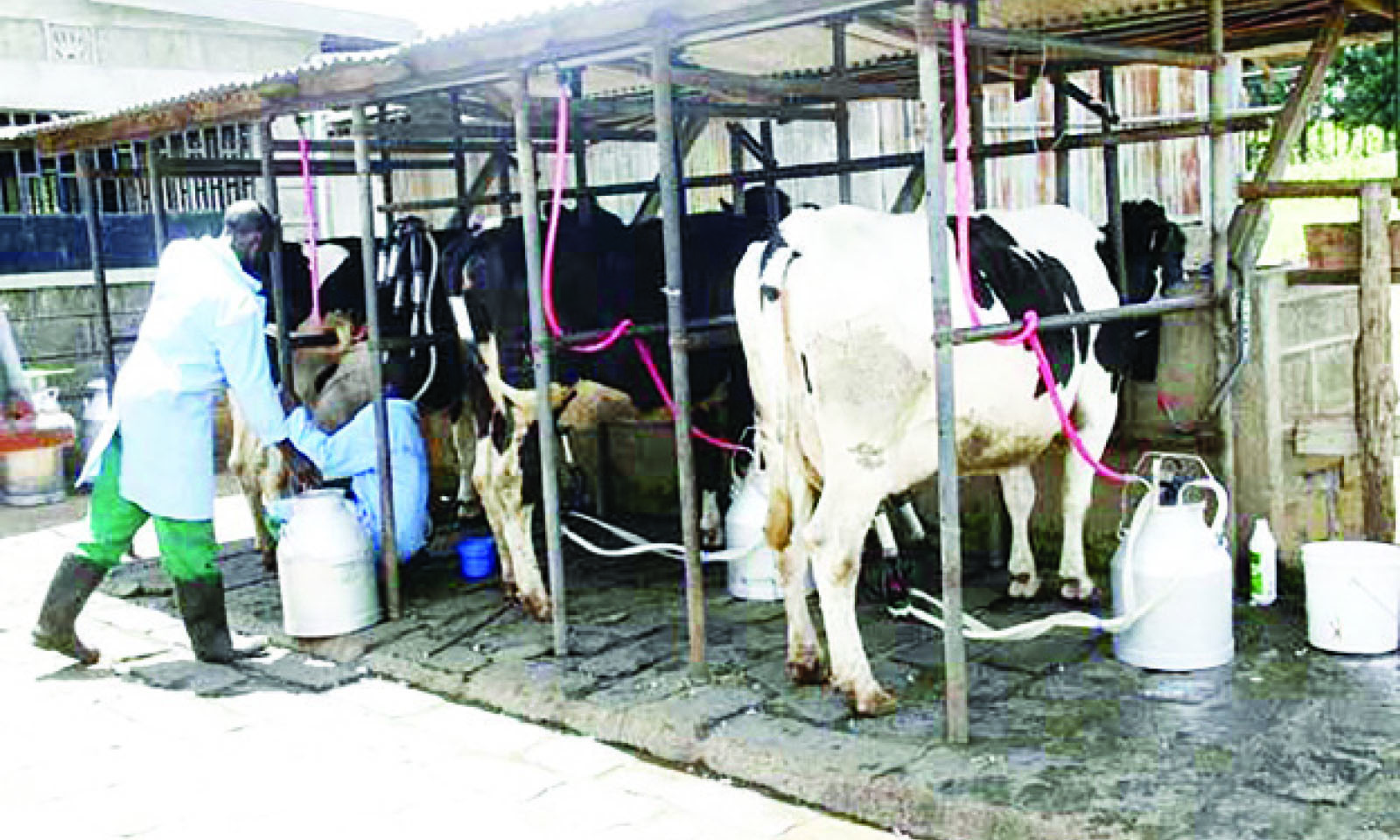
Tapiwanashe Mangwiro
Business Reporter
SMALLHOLDER dairy farmers are increasingly becoming an integral element of Zimbabwe’s dairy sector, with industry leaders saying their expanding production will significantly boost national milk output this year.
In an interview with this publication, Mr Edward Warambwa, national chairperson of the Zimbabwe Association of Dairy Farmers (ZADF), highlighted initiatives aimed at improving smallholder productivity and the challenges that still lie ahead.
“Smallholder dairy farmers are pivotal to expanding milk production this year,” Mr Warambwa said. “They can significantly increase dairy output by enhancing yields through improved extension services and the introduction of high-quality genetics.”
He said one of the main obstacles for smallholder farmers has been the high cost and limited availability of commercial feed. To address this, farmers are being encouraged to produce and preserve their own fodder.
“To further boost productivity, smallholder farmers need to adopt on-farm feed production and preservation techniques,” he explained. “This approach not only reduces feed costs but also ensures reliable access to essential nutrients for their herds.”
This strategy, he said, empowers farmers to maintain herd health and milk yield even during periods when commercial feed becomes scarce or prohibitively expensive.
ZADF has rolled out several programmes to strengthen smallholder operations, most notably the iMoved Project. The initiative assists farmers in increasing herd sizes and adopting green energy technologies to maintain milk quality and the cold chain.
“These advancements are crucial for enhancing milk production and maintaining the cold chain,” Mr Warambwa noted, adding that the project is scheduled to conclude in September.
Another key intervention is the Dairy Revitalisation Programme, which provides smallholders with subsidised artificial insemination services to improve the genetic quality of their herds.
“Smallholder farmers are accessing subsidised semen to improve their herds with high-yielding genetics,” he said. “ZADF is also providing FMD (Foot and Mouth) vaccines at subsidised rates to protect these farmers’ animals against such diseases.”