

 Online Reporter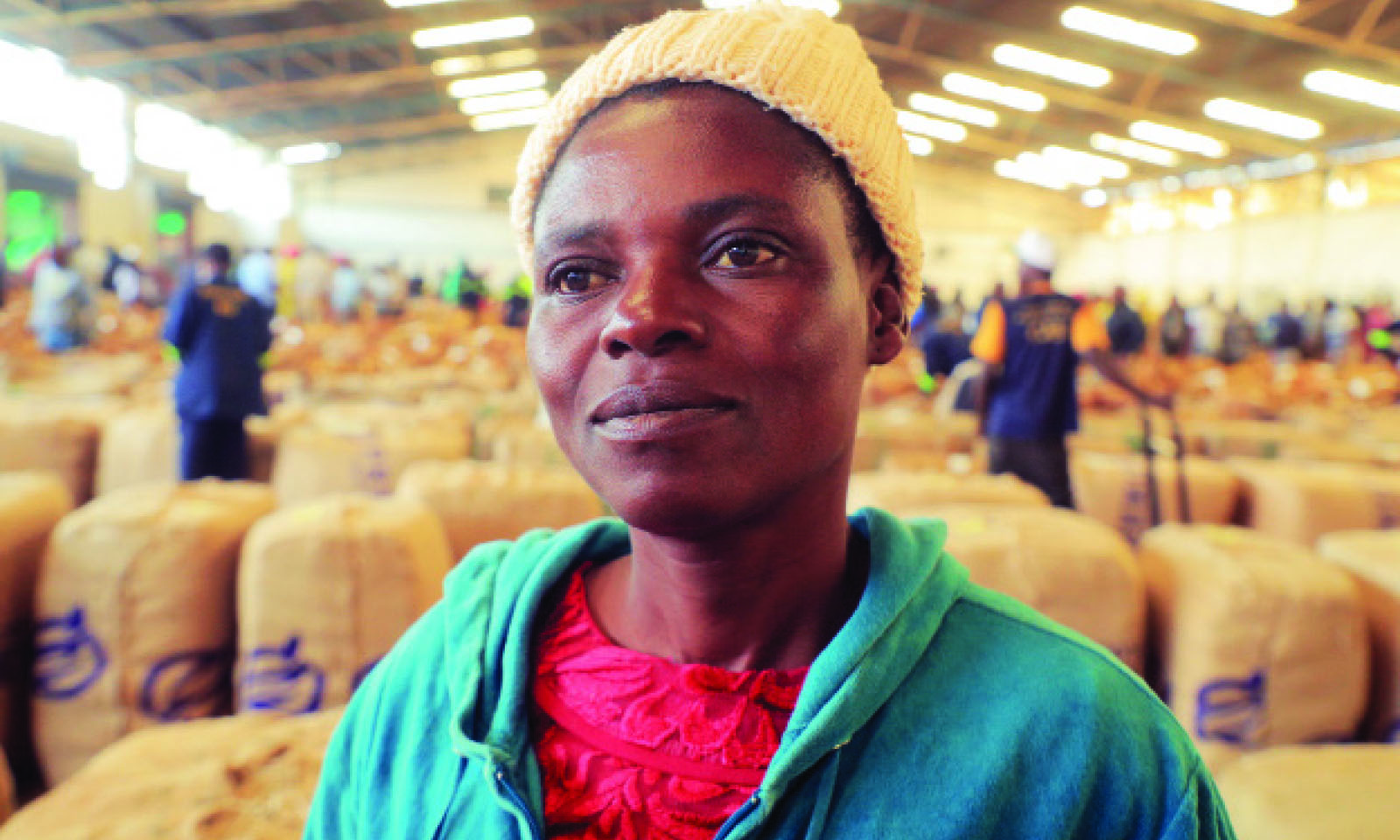
Precious Manomano
Herald Reporter
Zimbabwe’s smallholder tobacco farmers have emerged as the unlikely giants of the 2025 agricultural season, driving the country to record-breaking production levels through sheer resilience, determination and strategic adaptability.
Despite market uncertainties and operational challenges, these farmers, many of them from communal and A1 farming areas, have not only defied the odds, but also transformed their livelihoods in the process.
This year, tobacco sales reached an unprecedented 338,9 million kilogrammes valued at over US$1,13 billion, a significant jump from the 224,5 million kilogrammes worth US$771 million recorded during the same period last year.
Behind these figures are the efforts of 134 996 registered tobacco growers, including 74 123 communal farmers, 45 321 from the A1 sector, 7 025 small-scale commercial farmers and 8 527 from the A2 sector.
Among them is Mr Kamhesi Charumba from Matepatepa in Bindura, a veteran farmer who has been growing tobacco since 1998.
This season, he sold 80 bales and expects to sell another 10, targeting earnings of over US$26 000.
He attributes his rise from poverty to the opportunities created by tobacco farming.
“Tobacco farming has significantly improved my life; I now own three cars, a beautiful homestead and even livestock,” he said.
“I am considering buying a tractor to help me with the cultivation process.
“This year, the marketing conditions have been favourable, with good prices that encourage us to invest further.
“I am going to increase my hectarage from six to 10 hectares next season.”
Equally inspiring is the story of Mrs Fungisai Chakwenya, a widow from Tengwe in Hurungwe, who has managed to raise her children through tobacco farming.
This season she sold 10 bales at over US$4 per kg.
“I may be a widow, but tobacco has given me strength and financial independence,” she said.
“The prices have been favourable at the auction and it feels good to see my efforts recognised,” she said, her story offering a beacon of hope to other women in agriculture.
In Hurungwe’s Constone Farm, Mr Fungai Muzerengi reported his best harvest since starting tobacco production in 2008, with 50 bales produced from just one hectare.
“This is my highest yield yet,” he said.
“I employ my own workers and together, we are making significant strides in our livelihoods.
“The prices offered this year at the auction floors have truly uplifted us.”
For others, switching from contract farming to auction sales has yielded impressive results.
Mr Austin Mauswa of Mt Darwin made the change after observing better prices at the auction floors.
“The auction system has proven to be more lucrative for us this year and I’m confident that we will continue to sell here,” he said, illustrating how farmers are adapting their strategies to maximise returns.
In Headlands, Chiendambuya, Mr Zvondai Tanasiwa is preparing to deliver nearly 50 bales.
“Since I started growing tobacco in 2000, the crop has allowed me to educate my children and acquire assets like scotch carts, cattle and a family home.
“Now, as the auction season nears its end, I’m under pressure to get my bales in before the floors close,” he said.
Mrs Rudo Shumbayaonda from Odzi, who began growing tobacco in 2004, has delivered over 60 bales this season.
“The income from this crop has allowed us to buy a house and a grinding mill, we also now own 16 cattle,” she told The Herald.
“Tobacco growing has positively impacted my livelihood.
“At the beginning of this season, prices were promising, but as we near the end, I’ve noticed a significant decline. It’s disheartening, especially for farmers who are trying to make the most of their hard work.”
Meanwhile, Mr Peter Mawire from Rusape, who grows 15 hectares of tobacco, has already sold 122 bales worth over US$72 000 this season.
“I have acquired many assets through tobacco growing,” he said.
“I bought a tractor and built a house.
“I started with two cattle, but now I have 48.
“Tobacco growing pays, but farmers should grow more than five hectares to enjoy the benefits.”
In Karoi’s Chembizi area, Mrs Fransinsca Shamhu has sold 45 bales and plans to invest in home improvements.
“I have worked tirelessly to build my farm and have now accumulated 55 cattle through my dedication to tobacco farming,” she said.
“I also own a scotch cart and a grinding mill, which have significantly improved my productivity.
“I can confidently say that I can compete with men in this field, and I have truly achieved a better life for myself and my family in my rural community.”
These farmers’ voices represent how agriculture, particularly tobacco farming, continues to shape livelihoods and uplift communities across Zimbabwe.
Despite fluctuating prices and logistical challenges, smallholder farmers are proving that with knowledge, determination and support, farming can be both a profitable enterprise and a vehicle for social transformation.
As the season winds down, their achievements are a reminder of the critical role smallholder farmers play in Zimbabwe’s economy and of the promise that lies in the soil when dedication meets opportunity.



