Online Reporter
Farirai Machivenyika in NYANGA
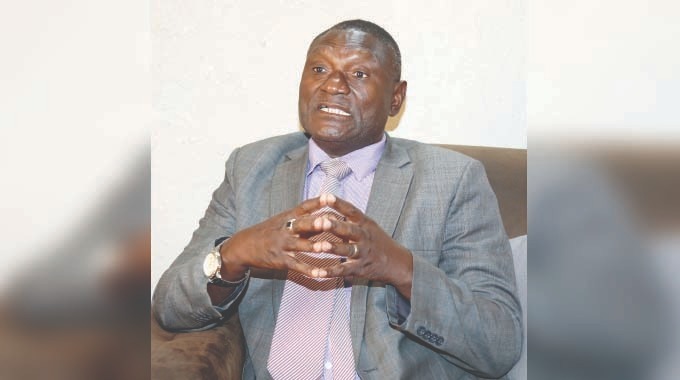
THE development of smart cities in Zimbabwe must be inclusive and participatory, with local communities actively involved in decision-making, Energy and Power Development Minister July Moyo has said.
In a speech read on his behalf by chief director in his ministry, Mr Benson Munyaradzi, during the official opening of the Smart Cities Development and Devolution Master Class in Nyanga yesterday, Minister Moyo said the development of smart cities requires citizen engagement, ethical governance and sustainable planning.
“A crucial aspect is energy management, where intelligent systems optimise consumption and promote renewable sources, significantly reducing carbon footprints,” he said.
“However, it is vital to ensure that these advancements genuinely meet community needs, necessitating a participatory approach to urban planning that involves citizens in decision-making.
“Ethical considerations surrounding data privacy and security must also be prioritised, with transparent governance fostering trust among residents.
“As technology evolves, cities must remain adaptable and committed to lifelong learning to build inclusive and dynamic urban environments.”
Minister Moyo said the smart cities concept has matured over the years from being focused solely on digital tools to embracing holistic urban planning and community development.
By leveraging data and innovation, cities can enhance infrastructure while fostering a sense of community and inclusion.
“By leveraging data and cutting-edge technologies, we can create environments that not only enhance infrastructure but also foster inclusivity and a sense of community,” said Minister Moyo.
He added that integrated energy infrastructure, including micro-grids and decentralised systems, would enhance the resilience and flexibility of urban energy networks.
“Energy efficiency is achieved through smart technologies that monitor and optimise consumption in real-time; smart grids and energy-efficient buildings help reduce waste and lower operational costs,” the Minister said.
“Additionally, integrated infrastructures, including micro-grids and decentralised energy systems, enhance resilience in energy distribution and management.”
Minister Moyo added that devolution is critical to realising smart city goals, as it shifts decision-making and resources to local authorities.
This, he said, allows for more responsive and innovative solutions tailored to local conditions.
“The Government’s commitment to devolution is reflected in the National Development Strategy 1 and 2, emphasising decentralised governance to promote local development and citizen engagement,” said Minister Moyo.
“As part of this initiative, the ministry is establishing offices in each province of Zimbabwe, facilitating the implementation of smart city initiatives tailored to local needs.
“By empowering local authorities and promoting decentralised governance, Zimbabwe aims to create smart cities that are sustainable, resilient and responsive to citizens’ needs, ultimately driving economic growth and enhancing quality of life.”
Speaking at the same event, Ms Emma Kambasha, a consultant with Seef Properties, said the adoption of smart housing would attract investment and stimulate economic activity.
“Adoption of smart housing in Zimbabwe will attract investors and enhance economic growth and stimulate related industries like the solar industry among others,” she said.
Dr Prosper Mutswiri, a director at Powertel, stressed the importance of data connectivity in enabling smart cities.
“Connectivity should be a human right and not a privilege and we should create a national digital transformation taskforce,” he said.