

 Online Reporter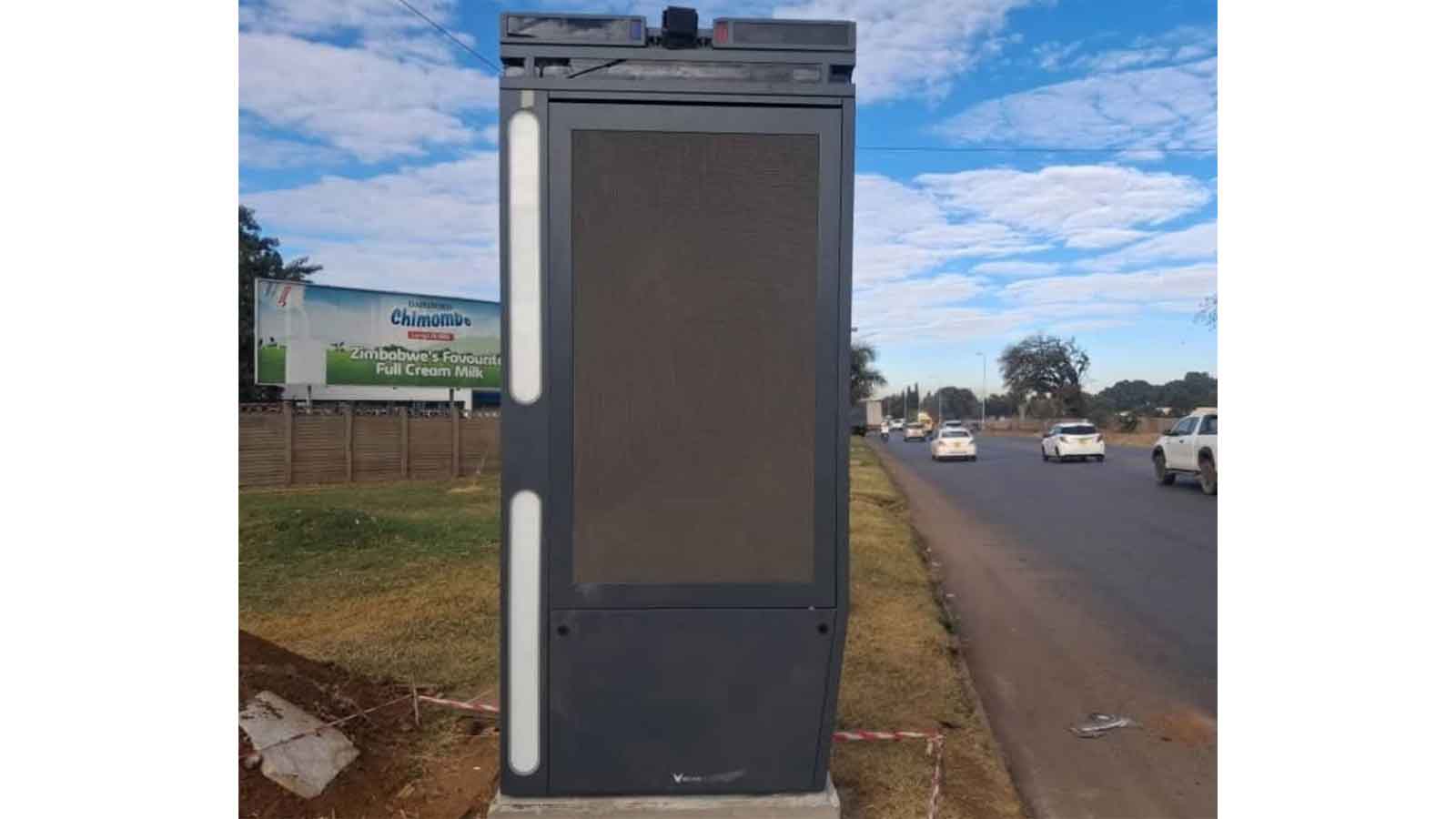
Remember Deketeke
For many motorists, a traffic offence only becomes a concern when they are stopped at a roadblock or flagged down by a police officer.
Soon, however, a speeding vehicle, a red-light violation or an illegal turn could be detected, recorded and punished without a single officer being present.
That is the future Zimbabwe is preparing for through the Smart Traffic Management System (STMS). This technology-driven platform promises to transform the way traffic laws are enforced, while helping authorities tackle the growing problem of road accidents.
Powered by artificial intelligence, high-definition cameras, sensors and digital communication networks, the system marks a significant shift from traditional traffic policing methods that rely heavily on physical law enforcement presence.
Once fully operational, the platform will automatically detect traffic violations, generate evidence, identify offenders and issue penalties electronically, creating a seamless enforcement process from the moment an offence is committed to the payment of a fine.
At the centre of the system are intelligent cameras and sensors installed at major intersections, highways and strategic road networks across the country.
Unlike conventional surveillance cameras that record footage, these devices analyse traffic movements in real time and can independently identify a wide range of traffic offences.
Among the violations that can be detected are speeding, red-light running, illegal turns, driving against traffic flow, crossing continuous lines, unlawful stopping, illegal parking and other offences prescribed under road traffic regulations.
The process begins the moment a violation occurs.
If a motorist drives through a red light, for example, the camera instantly records the vehicle, captures images of the offence, logs the exact location and records the precise time of the incident.
Similarly, speed-detection sensors automatically calculate a vehicle’s speed and link that information to photographic and video evidence.
The automated detection process reduces dependence on manual enforcement and significantly increases the likelihood that offences will be identified.
Once a violation has been recorded, the system immediately moves to the evidence collection stage.
High-definition images and video footage are generated and securely stored as proof of the offence.
Every record is digitally time-stamped to ensure accuracy and guard against tampering.
Using TelOne’s fibre-optic network, the information is transmitted to a central command centre where it is stored in secure databases for further processing.
According to TelOne technical director Mr Initial Mlambo, implementation of the nationwide project is now entering its final stages.
Speaking during a media familiarisation tour of the project last week, Mr Mlambo said the company expects the bulk of surveillance and traffic violation detection cameras to be installed by the third week of June.
“We intend to have the required cameras for the project in place by mid-June, with the bulk of installations expected to be completed by the third week of the month. The whole project should be completed this month, which means everything required should be ready,” he said.
The fibre-optic backbone allows large volumes of data from multiple locations to be transmitted almost instantly, enabling real-time monitoring and analysis of traffic activity across the country.
The project will ultimately cover 326 critical intersections nationwide through a phased implementation programme.
Police Commissioner Evelyn Taurai Phillip said the rollout begins with 20 sites under Phase 1A in Harare, followed by an additional 30 sites under Phase 1B.
Phase Two will target 20 intersections in Bulawayo, while Phase Three will cover 33 intersections across Gweru, Masvingo and Mutare.
The final phase will extend coverage to a further 155 sites in Harare and 68 in Bulawayo.
After evidence reaches the command centre, the next stage focuses on processing and validation.
Sophisticated software analyses the information before linking it to vehicle registration records maintained by the Zimbabwe National Road Administration (Zinara) and other Government databases.
By matching registration numbers captured by cameras with national vehicle records, authorities can identify the registered owner of the vehicle involved in the offence.
This verification process ensures enforcement actions are based on accurate information while reducing disputes relating to ownership and responsibility.
Once verified, the system automatically generates a digital traffic ticket.
Motorists will no longer need to be physically stopped for many traffic offences to be processed.
Comm Phillip said the Smart Traffic Management System is being integrated with several key Government platforms to ensure efficient operation.
“We are integrating the system with existing Government platforms, including the Zimbabwe National Road Administration, the Central Vehicle Registry (CVR), vehicle registration databases, the police case management system, the national identity database and payment gateway systems,” she said.
The ticket generated by the system contains details of the offence, including the nature of the violation, the date, time and location where it occurred, as well as the applicable penalty.
Photographic evidence is attached to the notification, enabling motorists to see exactly why enforcement action has been taken.
The notification is then transmitted electronically to the registered owner through approved communication channels.
Authorities believe this digital process will improve transparency by ensuring every fine is supported by clear and verifiable evidence.
The next stage involves payment.
Motorists will be able to settle penalties through multiple channels, including EcoCash, other mobile money platforms, Visa and MasterCard facilities, online payment portals, police stations and designated roadblocks.
Digital payments will create a complete electronic trail, improving accountability and simplifying the administration of traffic fines.
Beyond the issuance and payment of fines, the system also creates a powerful traffic intelligence platform.
Every violation, ticket and payment is automatically recorded and consolidated into central databases.
Interactive dashboards provide real-time information on traffic patterns, offences committed, fines collected and outstanding penalties.
This information can assist authorities in identifying accident hotspots, understanding driver behaviour and guiding future infrastructure investments.
While the system will generate revenue through traffic fines, officials insist its primary objective is improving road safety.
Zimbabwe continues to lose thousands of lives to road traffic accidents every year, with speeding, dangerous overtaking, failure to obey road signs and reckless driving among the major causes.
Authorities believe the certainty of detection offered by the new technology will encourage greater compliance with traffic laws.
Supporters of the initiative argue that motorists are more likely to obey road rules when they know violations are almost certain to be detected.
The technology is also expected to reduce opportunities for corruption by minimising direct interaction between motorists and enforcement officers during the ticketing process.
Meanwhile, significant progress has already been recorded on the ground.
The fabrication of smart poles for the first phase of the project was carried out locally by TelOne at its Msasa workshop.
Among the intersections already completed are Glenara Avenue and Samora Machel Avenue, Churchill Avenue and Sam Nujoma Street, Samora Machel Avenue and Bishop Gaul Avenue, Simon Muzenda Street and Jason Moyo Avenue, as well as Julius Nyerere Way and Jason Moyo Avenue.
Commissioner Phillip said development and testing of the system were now 95 percent complete, while integration with the Zinara database was in its final stages.
Solar-powered infrastructure has already been installed at 10 intersections to ensure uninterrupted operations, while road marking upgrades and traffic light refurbishment works are continuing under the City of Harare.
“We have made significant milestones so far, and it is encouraging to see the efforts of all stakeholders translating into visible progress on the ground. Their contributions are commendable,” said Comm Phillip.




 Peter Tanyanyiwa