Chronicle Editor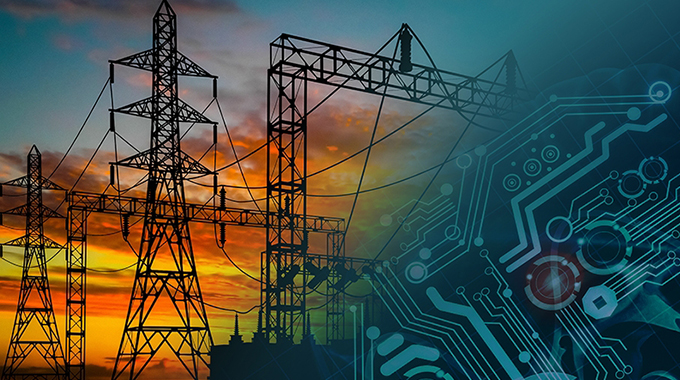
Jacqueline Ntaka
ZIMBABWE’S quest for energy security and sustainability hinges on a technological revolution — Artificial Intelligence (AI).
AI offers a transformative opportunity to optimise electricity distribution for industrial, commercial, and domestic sectors. This not only saves electricity, but also reduces reliance on imported power, fostering energy independence and economic growth.
The current landscape presents challenges. Aging infrastructure, power theft and distribution inefficiencies plague the electricity sector. However, the Zimbabwe Electricity Supply Authority (Zesa) is embracing AI and machine learning. Its use of drones for asset inspection exemplifies this commitment to innovation.
AI-powered smart grids are a game changer. They dynamically adjust electricity distribution based on real-time data, ensuring optimal power flow to meet varying demands and minimising wastage. Predictive maintenance, another AI application, analyses grid data to predict faults and schedule maintenance before outages occur. This proactive approach minimises downtime and extends infrastructure lifespan.
Energy theft is a significant concern. AI algorithms can detect irregular usage patterns that may indicate theft, allowing for prompt identification and rectification, leading to substantial savings. Additionally, AI helps with load forecasting. By accurately predicting demand, generation and distribution can be planned more efficiently, ensuring supply meets demand without excessive reliance on imported power. Integrating renewable energy sources like solar and wind becomes seamless with AI managing the variability and ensuring a stable energy supply.
Several steps are crucial to fully harness AI’s potential. Upgrading the existing grid to support AI technologies requires installing smart meters and sensors throughout the network. Building a skilled workforce is equally important. Training personnel in AI and data analytics empowers them to effectively manage and maintain the new systems.
A supportive regulatory framework is necessary. Policies that encourage innovation and protect consumer data will create an environment conducive to AI adoption.
Public-private partnerships can accelerate deployment by sharing the financial burden and expertise.
Finally, consumer engagement is key. Educating consumers about the benefits of AI in electricity distribution will garner public support and encourage responsible energy usage.
Embracing AI in electricity distribution is more than a technological upgrade; it’s a strategic move towards a sustainable future. Zimbabwe can not only conserve energy, but also empower its industries and communities with reliable power. As the nation embraces AI, it paves the way for a brighter, more energy-secure tomorrow.
This approach, similar to what countries like China and Brazil have done, will ensure a future where Zimbabwe generates, distributes and utilises its own energy efficiently.
Jacqueline Ntaka is the CEO of Mviyo Technologies, a local tech company that provides custom software development, mobile applications and data analytics solutions. She can be contacted on [email protected].
λ Jacqueline Ntaka is the CEO of Mviyo Technologies, a local tech company that provides custom software development, mobile applications and data analytics solutions. She can be contacted on [email protected].



 Online Reporter