admin
admin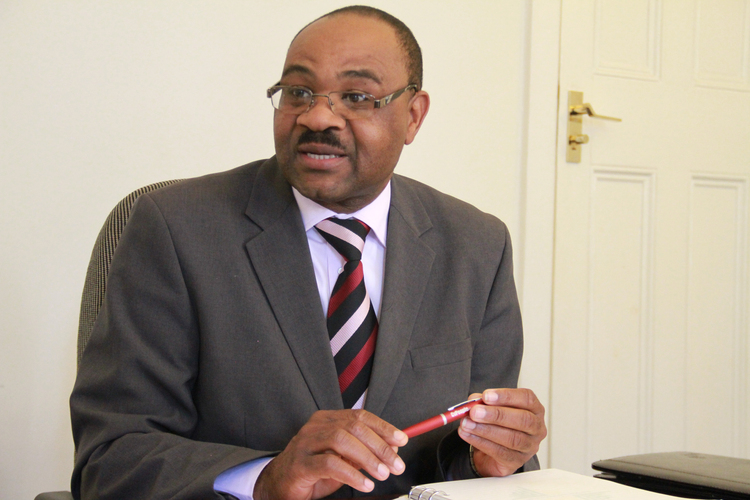

AS the country’s formal sector has largely been shedding jobs, SMEs have been registering unprecedented growth. The World Bank estimates that over US$7 billion – compared to US$5 billion in the local banking system – is circulating in the informal economy. But many SMEs face funding constraints.
However, there exist public and private sector initiatives to raise resources for SMEs.
African Century Leasing (ACL), a provider of asset-based financing, recently secured US$5 million from a Dutch bank for on-lending to SMEs, particularly those in agriculture, energy and transport.
Since its inception five years ago, ACL has been working with institutions from The Netherlands and Switzerland. So far it has released US$82 million to SMEs from more than 1 000 applications for the funds.
Our Business Reporter Enacy Mapakame last week talked to ACL managing director Mr Stanley Matiza about how it administers the funds.
***
Q: What is Africa Century Leasing’s relationship with the Dutch Development Bank?
A: The background to this is we attended a conference in the Netherlands where we highlighted Zimbabwe as an attractive investment destination. We are currently negotiating for more funding for other key sectors of the economy such as agriculture, manufacturing, retail and tourism.
Q: Zimbabwe has had sour relations with Europe and the US. How is it possible to secure lines of credit from these regions?
A: The secret is to be convincing and talk good about your country. While there has been negative media reports alleging Zimbabwe is not safe, it is your role as a Zimbabwean to shake off such negative perceptions. Present the country as a safe haven for investments. Highlight the many positives about the country such as the high literacy rate and peace. We also have a very good track record with Netherlands.
Q: Why is your current focus on the SMEs sector?
SM: We believe SMEs are the anchor for this economy and contribute immensely to economic growth. Yet the same sector has been having challenges accessing funding. SMEs need dedicated organisations to support them, big companies can manage on their own without much difficulty. We primarily focus on asset financing so that they can be capacitated through equipment and machinery they require.
Q: How do you assess their applications? Do you have specific sub-sectors you prioritise?
A: We look at the management of the business, their products, market, their cash flow and bank statements. We track their records and also assess their business viability. Even those who are starting up are still welcome as long as they have a convincing business plan with potential to create employment and be sustainable.
Q: How much have you budgeted this year and how much has been loaned out so far?
A: Our budget for 2015 is US$35 million. We have released US$9 million in the four months to April from 135 applications. Most of them are from agriculture, especially from sugar cane farmers in the Low-veld. Success rate for applications is very high – an estimated 5 percent do not make it for failure to provide the required documentation while others reflect they have no intention of doing business at all.
Q: What are the repayment terms and how much can an individual application get?
A: We charge between 10 percent and 18 percent per annum and the loan is payable in four years maximum, or at least one year. The maximum a single application can get is US$2,2 million while the lowest is US$10 000.
Q: Across the financial industry, many lenders are reluctant to extend credit to SMEs because of lingering concerns over their capacity to repay. What is the ACL doing to deal with such kind of risk?
A: We do not have a problem with SMEs, they have been doing very well. It is the bigger corporates that have been problematic. As ACL, we do not give money to the applicant, but we pay for the equipment directly to the supplier. That way, we know there are no cases of diverting funds to other uses. It will go directly towards the intended purpose.
Q: Financial institutions have been battling high non performing loans (NPLs), how are you managing?
A: Our NPLs are at 13 percent. We closed the year at five percent but it spiked recently due to the prevailing liquidity challenges affecting the economy.
Q: Going forward, what are your plans, say for the next five years?
A: We also intend to provide returns on savings. We were recently issued with a deposit-taking licence and our target is the mass market.
If you want a return for a small amount, say US$100, this is the option one can choose. It does not matter how much you have, this is under financial inclusion and we want to provide a savings platform.
Currently, we are talking to South Africa, China and Japan for credit lines so that we can provide more assistance to SMEs. Nothing has materialised yet but we are optimistic and see great potential especially from China and Japan. We are also looking at courting Russia.



 Online Reporter