Online Reporter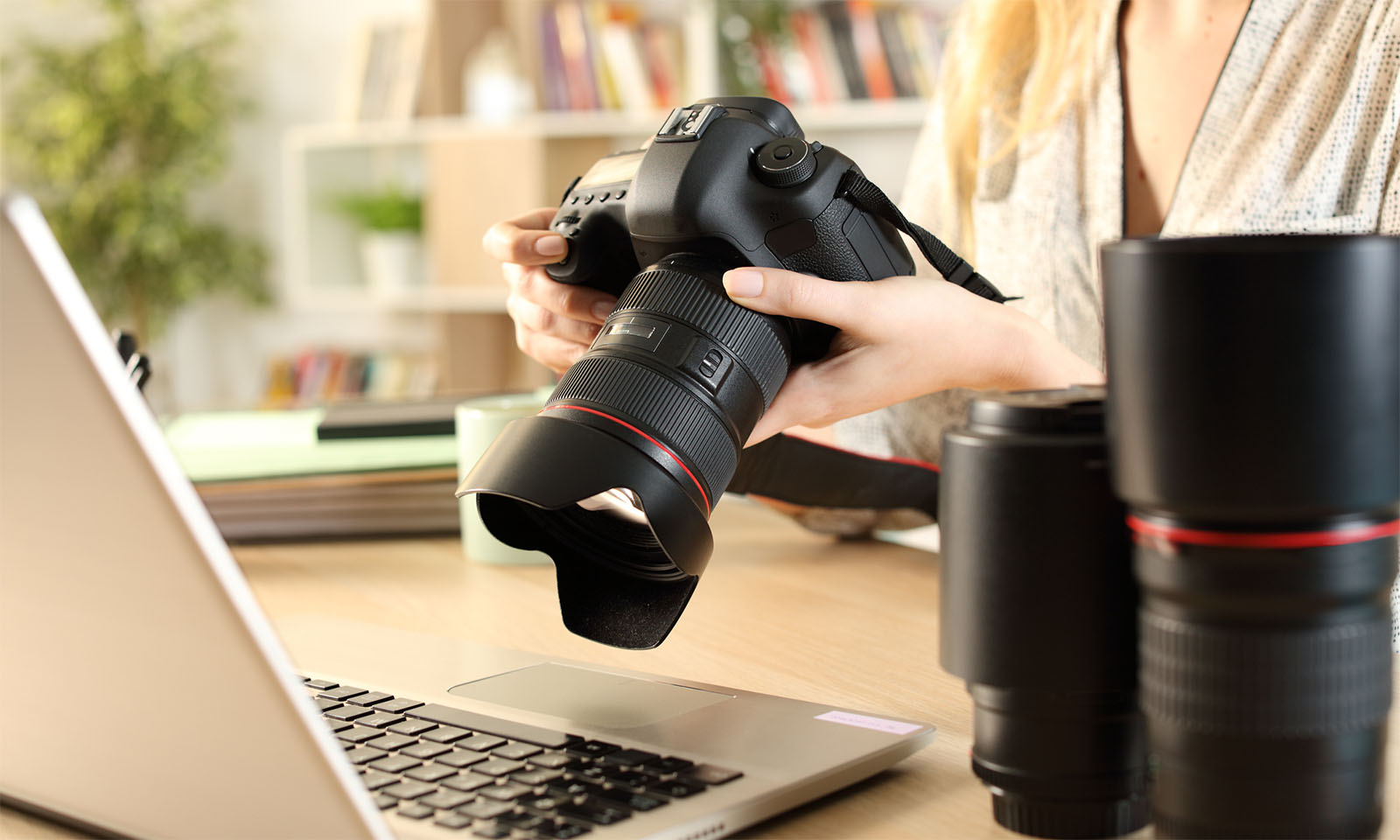
STARTING a photography business in Zimbabwe looks deceptively simple: buy a camera, take pictures and get paid.
But the real costs and requirements tell a more complicated story; one that blends equipment expenses, licensing hurdles and the challenge of building a client base in a highly competitive market.
The first and most obvious cost is gear.
A professional DSLR or mirrorless camera can set you back US$800-US$1 500, depending on the brand and model.
A starter lens, typically a 50mm prime lens, costs around US$150. However, most photographers will eventually need a zoom lens and a wide-angle lens. This can push the total investment in lenses beyond US$1 000.
Add to that a reliable tripod (US$80), extra batteries and memory cards (US$100), and you are already looking at roughly US$2 000 just to get started.
For those specialising in studio work, lighting kits add another US$400 to US$600.
Then there are operational requirements.
Registering a small business with the Zimbabwe Revenue Authority costs US$100 to US$150.
Photographers who want to shoot weddings or corporate events often need vendor licences from local authorities, which can cost US$50 to US$100 annually.
Transportation — whether hiring a car or using ride-hailing services — quickly becomes a recurring cost, particularly in Harare and Bulawayo, where many assignments happen across different parts of the cities.
Marketing is another unavoidable expense.
A functional website can be set up for around US$200, though many photographers rely on social media platforms like Instagram and Facebook.
Paid advertising on these platforms can easily cost US$50 to US$100 per month, if you want to reach new clients consistently.
Printing sample photo books or canvases for display at bridal expos or fairs adds further costs, sometimes close to US$300 per year.
What makes photography a difficult business is not just the upfront investment, but the ongoing need to upgrade.
Cameras and lenses lose value quickly and technology changes fast.
Many Zimbabwean photographers replace or upgrade their primary camera body every three to five years, meaning another US$1 000 to US$2 000 outlay is always on the horizon.
Despite the steep costs, the demand is steady. Weddings, graduations and corporate events provide a reliable stream of clients.
For those willing to balance creativity with careful financial planning, photography can become more than a passion — it can be a sustainable business.