Tendai Gukutikwa
Post Reporter
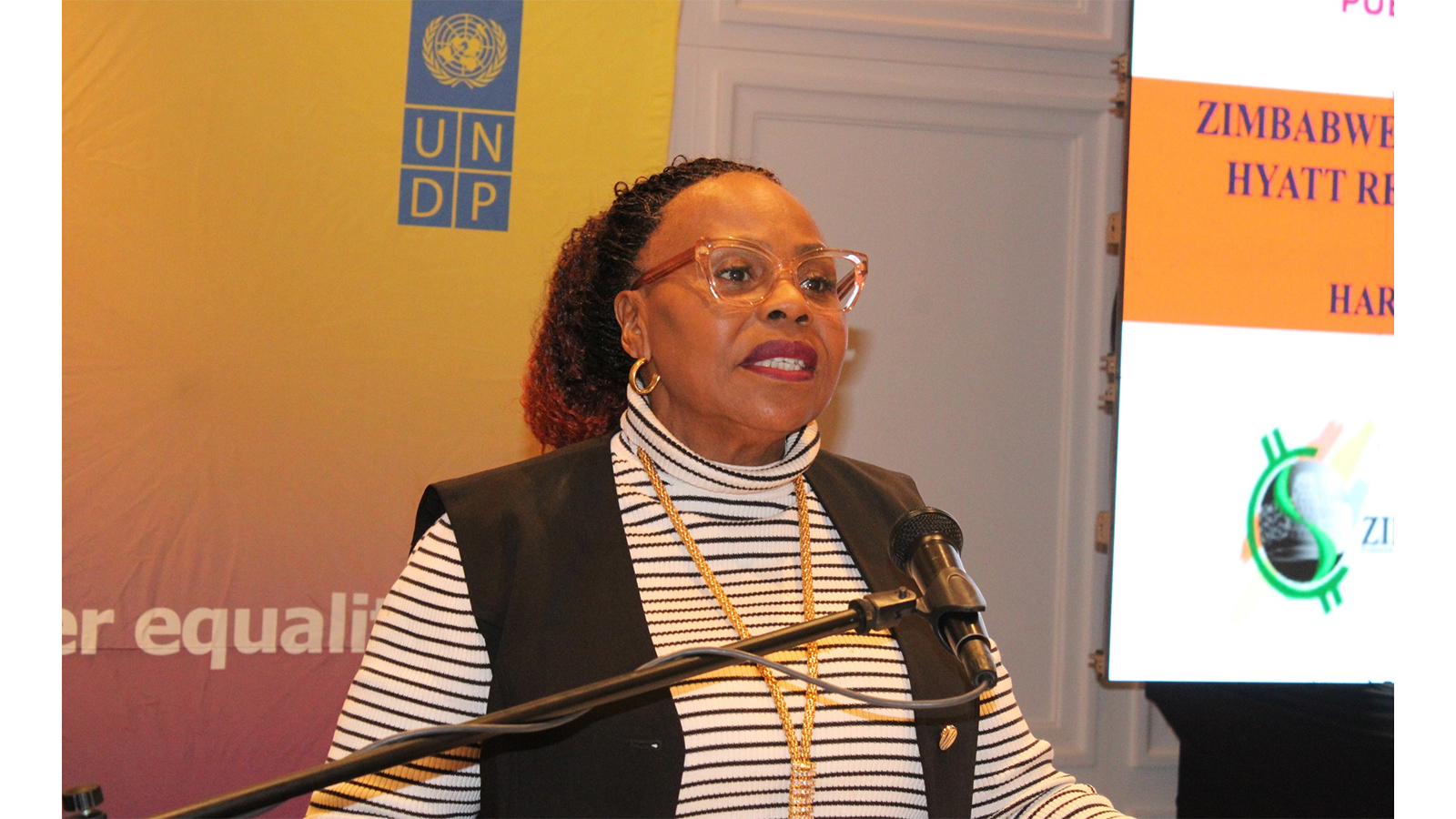
MICRO, Small and Medium Enterprises (MSMEs) account for more than 70 percent of businesses operating in the country, playing a pivotal role in driving the country towards the attainment of Vision 2030, Women Affairs, Community, Small and Medium Enterprises Development Minister, Senator Monica Mutsvangwa, has said.
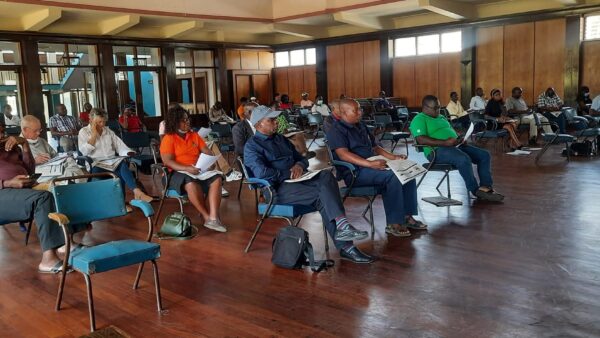
Addressing delegates at the close-out ceremony of the Catalysing Economic Development through the Informal Sector (CEDIS) programme in Mutare last week, Minister Mutsvangwa said the growth and sustainability of MSMEs is central to Government’s efforts to transform Zimbabwe into an empowered and prosperous upper-middle-income economy.
She said women remains the backbone of the sector, accounting for more than 56 percent of enterprise ownership and participation across the country.
“At the centre of Vision 2030 are women, youths, cooperatives and Micro, Small and Medium Enterprises. Studies indicate that MSMEs constitute over 70 percent of enterprises operating in Zimbabwe, with women accounting for more than 56 percent of enterprise ownership and participation,” said Minister Mutsvangwa, adding that MSMEs are active across key productive sectors, including agriculture, agro-processing, manufacturing, mining, tourism, waste management, retail and services, making them critical drivers of economic growth, job creation and poverty reduction.
She said the enterprises are strengthening local supply chains throughout the country’s provinces and districts while facilitating the provision of consumer and industrial goods.
“For Vision 2030 to be meaningful and inclusive, these enterprises must have access to finance, markets, technology, infrastructure, investment opportunities and business development support services that enable them to grow and compete,” said Minister Mutsvangwa, adding that unlocking the full potential of MSMEs requires a whole-of-Government and whole-of-society approach involving development partners, financial institutions, the private sector, civil society organisations and communities.
“Government alone cannot achieve the transformation we seek. Sustainable solutions require coordinated efforts among Government ministries, development partners, financial institutions, the private sector, research institutions and communities themselves,” she said, commending development partners for supporting Zimbabwe’s economic empowerment agenda through strategic partnerships that complement Government initiatives.
“These MSMEs contribute significantly towards the objectives of the National Development Strategy 2,” she said, applauding the CEDIS programme for strengthening Government’s commitment to gender equality and women’s economic empowerment.
“Women remain central to Zimbabwe’s socio-economic transformation. Through targeted support to women entrepreneurs, women-led cooperatives and women participating in key value chains, CEDIS has demonstrated the important role women play in driving economic growth, strengthening households and building resilient communities,” said Minister Mutsvangwa.
She further commended the programme’s support for women involved in waste management and the circular economy, saying it has successfully linked environmental sustainability with economic empowerment.
“As Zimbabwe pursues sustainable development, environmental management must be linked with economic empowerment. The integration of waste management with income generation not only improves environmental outcomes but also creates dignified livelihoods and promotes social inclusion,” she said.
Funded by the Embassy of Sweden and implemented by Mercy Corps, the US$5,8 million CEDIS programme has been running since July 2022, and is scheduled to conclude on June 30 this year.
The initiative targeted 30 000 women and young female entrepreneurs in the informal sector across Mutare, Mutasa, Harare, Seke, Goromonzi, Bulawayo, Gwanda and Matobo.
Echoing her initial call for stronger partnerships to drive economic growth, Sweden’s Ambassador to Zimbabwe, His Excellency Per Lindgarde, said empowering women and youths is critical for building resilient economies and creating sustainable livelihoods.
“Empowering youths and women is, not only about creating opportunities for individuals, it is central to building resilient economies, supporting sustainable development, creating jobs, and unlocking innovation and investment for the future,” he said.
Ambassador Lindgarde said the programme equipped beneficiaries with knowledge, networks and access to financial services needed to strengthen their enterprises and improve their livelihoods.
“The results speak for themselves. We have seen entrepreneurs and communities strengthen their businesses, expand their opportunities and gain confidence in their ability to shape their own future,” he said, adding that the programme’s impact extended beyond direct beneficiaries, creating ripple effects throughout communities.
“Strong businesses create jobs, support local economies and inspire others to pursue their own ambitions. Success stories create hope and demonstrate that positive change is possible when people are given the right support and opportunities,” he said.
Mercy Corps Zimbabwe country director, Ms Mildred Makore, said the programme demonstrated the transformative impact of investing in women and young entrepreneurs.
She said about 70 percent of the programme’s beneficiaries were young women, reflecting a deliberate focus on empowering groups that often face barriers to accessing finance and economic opportunities.
“For four years, we have worked alongside the Government, local authorities, financial institutions and private sector partners to unlock opportunities for women and young entrepreneurs. The success stories we celebrate today are proof that when women are empowered economically, entire families and communities benefit,” she said.
ENDS
SMEs dominate local economy