


 Online Reporter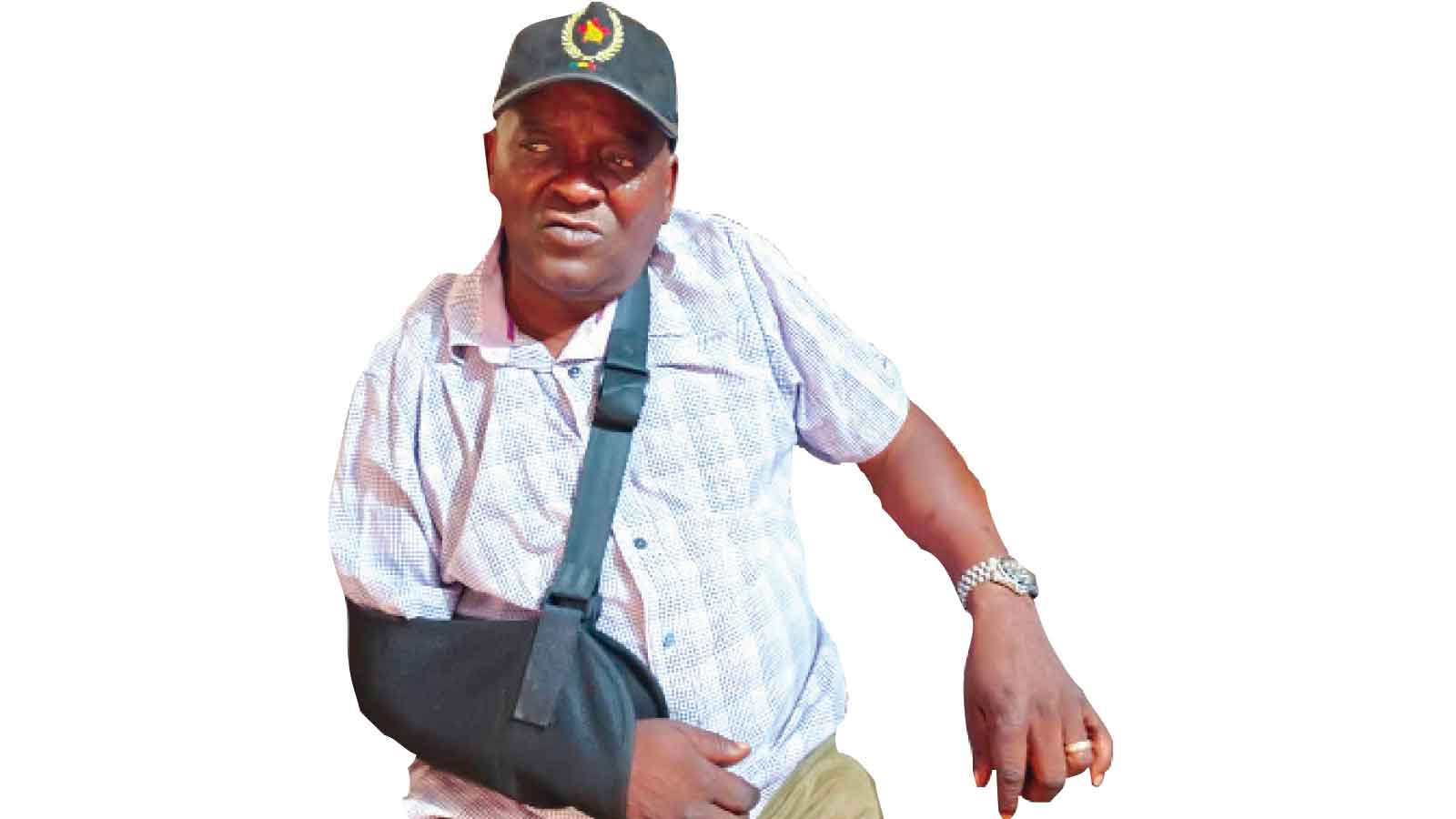
Chronicles from the 2nd Chimurenga
LAST week, war veteran Cde Kossam Mutsinze, whose Chimurenga name was Cde Ignatius Toda Zimbabwe, revealed how he crossed into Botswana to join the war struggle. After being detained in Francistown for some months in 1973, he proceeded to Zambia, where plenty of other comrades were based. This week, he tells our Politics, Foreign Affairs and Opinions Editor Kuda Bwititi about his time in Zambia, the military training that he received and crucial episodes of the struggle that happened whilst he was there.
Q: When you arrived in Zambia from Botswana, where did you stay?
A: When I arrived, I stayed at the home of a fellow comrade. Unfortunately, I can’t recall his name; you know, the years have passed. He went on to become a Professor at the University of Zimbabwe. We lived well together, as like-minded individuals who were committed to liberating the country. We regularly spoke about the struggle. After some time, I then left his home and went to Mboroma Camp. It was located in the central part of Zambia, but far away from cities like Livingstone and Lusaka.
Q: Tell us about your time at Mboroma.
A: This is where I did my military training. But what was important, first, before military training, was political orientation. Under the trees, we were taught about politics.
We had a library where we read a lot of books to have a philosophical understanding of the war. We read a lot of books, particularly about Mao Zedong, the Russian revolution and Marxism. This gave us a firm foundation in terms of our political thought process.
So, political orientation was the first step to understand why we had to wage the war and politicise the masses. Remember, before we got into battle, it was important to coach the masses. That’s why the masses supported us. You could not fire guns without first telling the masses that you were in their area and that you needed their support.
This was about ideology: what are we fighting for? What is our relationship with the povo? What would be our relationship with the povo after the war? We called it a fish and water relationship. If you remove water from the river, the fish will die. We, the guerrillas, were the fish and the people were the water. If you wanted to win the war, you had to know that the povo was very important. This was the inspirational orientation. We were taught that we needed the people and the people also needed us. The people gave us support, such as food, shelter and crucial aid during the war. If we removed ourselves from the people, we were doomed. So you had to know that first before engaging in combat training.
Q: How long was the training?
A: It was about six months. It went on well, and we received essential preparation to be ready for combat. After the political orientation, we then engaged in military drills and learning to handle guns. I can say we were well and ready for combat.
Other cadres came to Mboroma and given that we had experienced full training, we also assisted in training them.
But after the training, we encountered some challenges. Although we were now ready for combat, we could not go to the front because we encountered serious setbacks that were happening both at home and in Zambia.
Q: What were the challenges?
A: The challenge we had was the Nhari rebellion, which triggered the Détente period. Cde Nhari and his colleagues decided to rebel against the leadership of our commanders, General Tongogara and Cde Rex Nhongo. Their bone of contention was the shortage of supplies for the war effort. But it was also to do with personal clashes that Nhari had with Cde Tongo. So, this phase left us confused. Obviously, it caused a pause in the war and cadres could not be deployed to the front. I was one of the cadres who could not go to the front because of this commotion. Nhari and his acolytes were taking over some of the bases.
Q: In your view, was the Nhari rebellion justified?
A: No, I always felt that Nhari wanted to create a name for himself. Yes, we had the issue of scarce resources, which I came face-to-face with at Mboroma in 1973 and 1974. But the way Nhari, Badza and others went about their business was not justified. Nhari now wanted people to be forced to join the war, but General Tongogara was for voluntary recruitment. In particular, Nhari’s decision to abduct St Alberts students was irresponsible and it backfired
Q: How did the abduction of St Albert students backfire
A: The abduction became fodder for Ian Smith. He was able to push the propaganda that terrorists were abducting students from schools.
It became international news and affected our standing. Even those who sympathised with us in the international community were worried that we were not doing things correctly. They questioned our methods and all this helped Ian Smith.
Q: How did the Nhari rebellion finally end?
A: Cde Tongogara and others were able to mobilise reinforcements. Some of the reinforcements came from Mgagao and they were able to fight Nhari and put a stop to his rebellion. Nhari and his main lieutenants were killed.
Next week: Cde Mutsinze discusses the aftermath of the rebellion in Zambia. He also speaks about the seismic impact of the death of ZANU Chairman Cde Herbert Chitepo.


 Bongani Ndlovu