admin
admin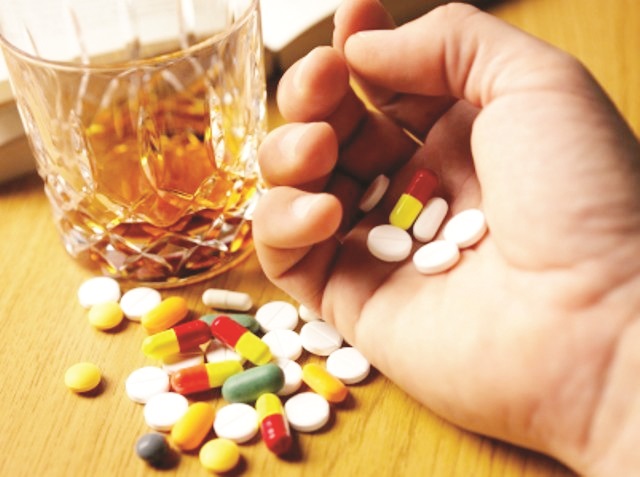
Dr Cherifa Sururu
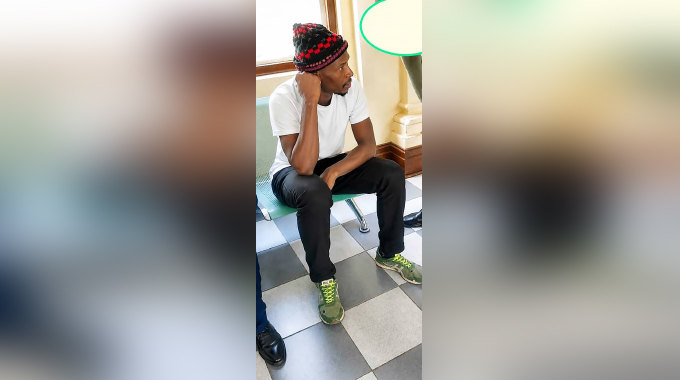
On completion of his O-levels, “Shorty” (not his real name) left his village of Nkayi, in search of greener pastures in the City of Kings, KoBulawayo.
The City is also affectionately known as Kontuthu Ziyathunqa, which means “smoke” that strikingly rises from Zimbabwe Electricity Supply Authority power station cooling towers.
He immediately struck a soft spot in the heart of a businessman and owner of a garage, Mr Mlambo (not his real name), at Renkini Bus Station.
Renkini Bus Station is the busiest in the whole of Matabeleland.
He proved to be a very reliable 17-year-old teenage boy. Mr Mlambo took him under his own wings and produced a very fine mechanic out of the strong rural background (SRB), Shorty.
Mr Mlambo adored Shorty as his own son.
With business booming, Mr Mlambo initially rewarded Shorty with a Datsun 120 Y and later on an ex-Japanese VW “Sporty” Golf which was in a tip top condition. Shorty was happy and on top of his world and started exploring different “joints” in town.
This was a new life for Shorty which he had not been exposed to in the conservative rural Nkayi.
With fame and fortune, he decided to open his own garage. Being a fine mechanic, new customers and some that used to go to Mr Mambo’s garage naturally flocked his new garage. Mr Mlambo was disappointed because he really wanted Shorty to stay.
He had hoped that the two of them would continue running the booming Mr Mambo’s garage.
Years later, Mr Mlambo narrated that Shorty got hooked to what is popularly known as ngoma or bronco.
The cough mixture is well known for causing clouding of consciousness (sticking in street language) and is highly addictive, causing one to require increased amounts of the drug to achieve the desired effect.
As time progressed, Shorty began to succumb to the addictive effects of the drug, forcing him to use more money towards procuring the increased amount of the drugs which he required so that he achieves the desired effect.
As the addiction grew, he could not afford the growing expenditure. This saw him stripping different parts from customers’ cars to sell to supplement income.
About 20 customers who had gone with their cars hoping for the best ever services lost different parts ranging from small parts to those as big as gear boxes. He lost trust of his customers. They then reported him to the police. With no customers and police in hot pursuit, he decided to skip the border to South Africa.
While in SA Shorty did not make an effort to undergo rehabilitation for his addiction and soon joined a gang of drug dealers which led to his arrest. He was sentenced to seven years in jail.
On the other hand, the drinking sprees, joy rides, drug abuse and multiple sexual partners had resulted in Shorty contracting HIV while he was in Zimbabwe. He was commenced on antiretroviral therapy.
His skipping of the border, eventual arrest and imprisonment plus the background of drug abuse resulted in Shorty defaulting in his antiretroviral therapy. His antiretroviral therapy failed and he got very sick.
He was re-initiated in the second line of antiretroviral therapy, and offered drug rehabilitation.
His wife and daughter who had followed him to South Africa had some economic challenges. They turned to commercial sex work for survival after Shorty went to prison. It is reported that the mother and daughter dated the same man in a love triangle. This resulted in a huge psychological trauma on the daughter and she eventually committed suicide.
The Ministry of Health and Child Care, has an aspiration of having 90 percent of the people who are tested and found to be positive, initiated on antiretroviral treatment. Ensuring that such a large number of patients are on treatment is a huge task.
Furthermore, ensuring that they are well suppressed is a complex task that requires the understanding of social determinants or factors that may promote or hinder patients from taking their antiretroviral therapy without interruptions.
In the case of Shorty could not take his drugs because of skipping the border while running away from crime and economic hardships. He was lucky that the prison system in South Africa afforded him a chance to resume his treatment.
For the period he was not taking his treatment, his HIV virus multiplied again. Chances are that, even when he was taking his antiretroviral therapy, he could have missed some doses.
An uncle of his, who tried the ngoma, said that it is poured directly to the back of the mouth and as soon as the drug started functioning, he froze for some hours. That uncle is reported to have missed the juicy meat that was being roasted that evening.
Shorty is lucky that the prison system in South Africa afforded him a chance to resume his antiretroviral therapy and underwent rehabilitation.
The issue of harmful use of drugs and alcohol needs to be tackled as part of efforts to assist patients to take antiretroviral drugs without interruptions so that we promote viral suppression.
Antiretroviral drugs are supposed to be take daily on specific times. This is a challenge for people who abuse drugs and alcohol or people who do not get refills. Zimbabweans generally move from place to place. Those within Zimbabwe may make adequate arrangements to transfer to treatment centres nearer them.
The story is different if people move to neighbouring countries where they may be denied access to treatments in the free Government institutions.
Those who are able to afford need to visit their doctor and get checked and have correct prescriptions to buy their drugs, usually at least a week, before they get finished.
In the case of Shorty, there were social and behavioural problems that resulted in him contracting HIV, defaulting treatment and later succumbing to the immunosuppressive effects of HIV.
There is therefore a huge interrelationship between social determinants of health and attainment of the Ministry of Health and Child Care’s 90 percent treatment target. This is more so if the patients are going to adhere to their treatment.
Until we meet again
May God Bless you


 Online Reporter