Online Reporter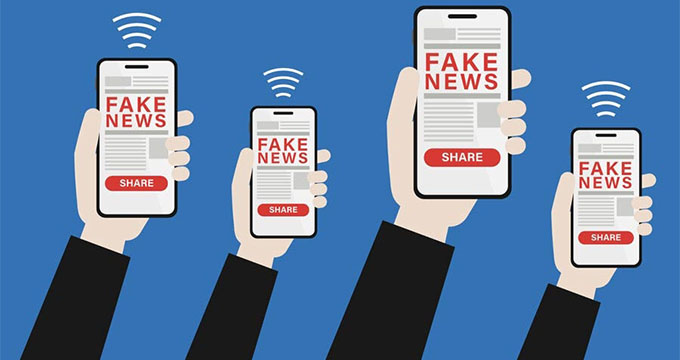
Duduzile Lupahla and Annita Mukahiwa
In the digital age, social media has become a double-edged sword, offering unprecedented opportunities for communication and information sharing at any given time while serving as a fertile ground for the spread of disinformation at the same time.
In Zimbabwe, social media has also emerged as a powerful tool for shaping public opinion and influencing election outcomes. However, its role as a catalyst for digital disinformation has raised serious concerns about the integrity of the democratic process.
Over the past decade, Zimbabwe has witnessed a significant increase in internet penetration and social media usage. Platforms such as Facebook, Twitter, WhatsApp, YouTube and TikTok have become integral to the daily lives of millions of Zimbabweans. According to recent statistics, over 60% of the population now has access to the internet, with a substantial portion of users relying on social media for news and information. This digital revolution has transformed the way political information is disseminated and consumed. Political parties, activists, and ordinary citizens alike have embraced social media as a means of engaging with the electorate, mobilizing support, and holding leaders accountable. However, the same platforms that empower citizens have also been weaponized to spread false information, manipulate public opinion, and undermine trust in democratic institutions.
Disinformation, defined as the deliberate spread of false or misleading information, has become a prevalent issue in Zimbabwe’s digital landscape. During election cycles, social media platforms are flooded with fabricated stories, doctored images, and misleading videos designed to sway voters in favour of or against particular candidates or political parties. These campaigns are often orchestrated by politically motivated actors, including foreign entities seeking to influence Zimbabwe’s political trajectory. One of the most notorious examples of digital disinformation in Zimbabwe occurred during the 2018 general elections.
In the lead-up to the vote, social media was overflowing with false claims about the health of one leading candidate. These narratives, amplified by fake accounts, created an atmosphere of fear and uncertainty. Ahead of the 2023 elections, disinformation campaigns targeted key issues such as the economy, corruption, and national security. For instance, the alleged involvement of political leaders in illicit activities has been widely circulated on social media. These narratives are often designed to delegitimise political opponents.
The spread of digital disinformation in Zimbabwe is not a random phenomenon but a coordinated effort. Political actors have accused each other of using social media to spread falsehoods. Foreign actors, particularly those with vested interests in Zimbabwe’s natural resources and geopolitical positioning, have also played a role in shaping the country’s digital information ecosystem.
The spread of digital disinformation poses a significant threat to the integrity of Zimbabwe’s electoral process. By distorting public discourse and eroding trust in credible sources of information, disinformation undermines the ability of citizens to make informed decisions at the ballot box. This, in turn, weakens the legitimacy of election outcomes and worsens political instability. Moreover, the spread of false information often incites violence and social unrest. Disinformation campaigns have been linked to incidents of intimidation, harassment, and even physical violence against perceived opponents. This not only undermines the democratic process but also threatens the safety and well-being of citizens.
To effectively tackle this issue, the government must prioritise the development of policies and legislation that promote transparency and accountability in the digital space. This includes regulating the activities of social media platforms, holding perpetrators of disinformation accountable, and safeguarding freedom of expression. Civil society organisations and media outlets also have a critical role to play in countering disinformation. Additionally, technology companies must take responsibility for curbing the spread of false information on their platforms by investing in advanced detection algorithms and collaborating with local stakeholders.
As Zimbabwe prepares for future elections, the role of social media in shaping political outcomes cannot be ignored. While the platform offers immense potential for fostering democratic engagement, its misuse as a tool for disinformation poses a grave threat to the country’s democratic aspirations. To safeguard the integrity of the electoral process, it is imperative that all stakeholders work together to create a digital environment that prioritises truth, transparency, and accountability.
Duduzile Lupahla and Annita Mukahiwa are students at Africa University. Follow them on Twitter and Instagram