admin
adminchildren and one child whose parents are in the Diaspora.
When other villagers look at her, they see a strong mother, who is managing to fend for her grandchildren, and yet deep inside her, she has no time to rest.
She is always up and down, all in an effort to find ways of ekeing out a living.
To her, each new day brings its own challenges because of the task ahead of her. When they see her, villagers are reminded of the Biblical David fighting Goliath.
Her herculean task is to ensure that children go to school everyday, well fed and have decent clothing.
Her major challenge is that of resources to meet her needs and that of of children under her care.
Mbuya Muringani’s life experience is just but a replica of many other older persons in Zimbabwe who are caring for orphans and other vulnerable children without the necessary resources to do so.
In Zimbabwe, it is estimated that 7 percent of the population is made up of older persons and 60 percent of orphans in the country are under the care of older persons.
40 to 50 percent of people living with HIV/Aids (PLWA) are being cared for in grandparent headed households (HelpAge International, Older People and HIV/Aids Regional Programme, 2006). To make ends meet, older persons mostly work in the informal sector and have no regular income or social security.
The percentage of men and women over the age of 60 engaged in some form of work, is highest in the least developed regions of the world. In Africa, 64 percent of men over the age of 60 and 32 percent of women in the same age group are economically active.
Apart from the underlying frustration of caring for orphans, many older persons are also bearing the burden of care for those affected and infected by HIV/AIDS.
They use up the little money they have supporting those under their care. Being primary care-givers for PLWA and OVC places extreme physical, emotional, and economic strain on older persons when they need support themselves due to frailty and diminishing income earning potential.
Yet policies and programmes on care and support seldom target older persons.
A situation which has seen many of them having to part ways with their assets such as cattle and goats.
In most sub-Saharan countries, older persons spend 60 percent of their time, largely unrecognised, unpaid and unsupported, in their caring role.
Governments and development institutions are slowly beginning to recognise the enormous contribution of older persons, but most of it remains lip service.
Social transfers would go a long way to providing the financial support needed by older persons to undertake their care role.
Evidence from research on social pensions in South Africa, Namibia, Lesotho and other countries has demonstrated their value to both older persons and their families:
l- In Namibia, one quarter of pensions are spent on food and a half on grandchildren
l- In South Africa pensions reduce poverty rates among very poor households from 38 percent to 2,5 percent.
l- In Kalomo in Zambia, 70 percent of social transfers to older people are spent on food, health and transport for members of their households, usually grandchildren
Contrary to widespread belief, comprehensive programmes of social protection are affordable for governments in developing countries, especially if official donors are prepared to provide support.
For example, in a study conducted in Cameroon, a social pension of $US0,5 per day to everybody over 60 years would cost less than 1 percent of GDP in Cameroon.
There is a serious need for the Government of Zimbabwe to develop social protection mechanisms for older persons in appreciation of the contribution they make in reducing the impact of HIV and AIDS in our communities.
Social pensions for older persons can increase their household food security and nutritional intake, promote women’s empowerment and balancing gender relations, facilitate educational access and achievement for orphans and vulnerable children under the care of older persons, improve health outcomes, especially for older persons headed households affected by HIV and Aids, reduce intergenerational transmission of poverty, mitigate risks and vulnerabilities that cause chronic poverty.
Pensions help reduce extreme poverty and hunger amongst older persons.
The first target of Millennium Development Goal 1 is to halve the proportion of people living on less than a dollar a day by 2015. Social pensions can help achieve this target. In South Africa, the pension reduces the number of people living below the poverty line by 5 percent (2,24 million).
Conrad Gweru is the Advocacy and Information Officer for HelpAge [email protected]


Online Reporter
- Chronicle , SundayNews
- September 21, 2026
- 219 views
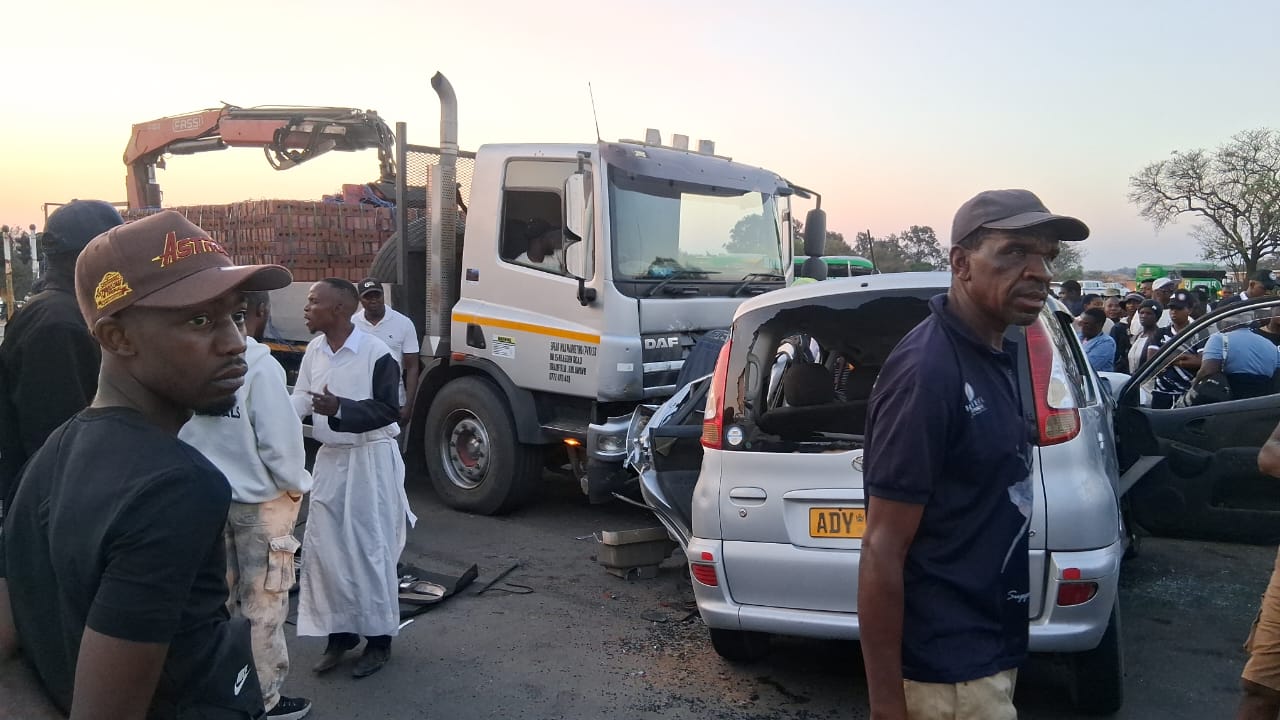
Montrose Girls High head dies in crash
Sikhumbuzo Moyo [email protected] MONTROSE Girls High School headmistress Ms Sekai Chiravana was among two passengers killed in a road traffic accident at a robot-controlled intersection in Bulawayo on Saturday evening.…