Soil and water conservation policy

Sikhumbuzo Moyo, Senior Reporter

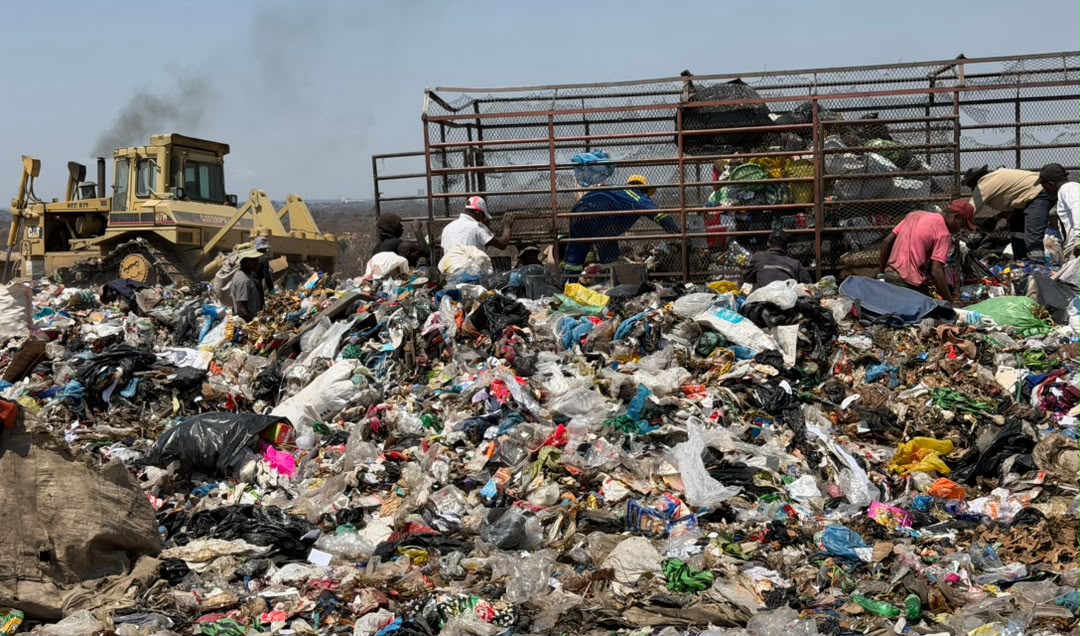
The Ministry of Lands, Agriculture, Fisheries, Water and Rural Resettlement has been urged to come up with laws that support the enforcement of the envisaged Soil and Water Conservation Policy that is expected to become operational by August next year.

The Soil and Water Conservation Policy will provide guidance on the protection and management of water bodies as well as arable and none arable land.

The crafting of the policy comes soon after the Government launched the soil and water conservation blitz in June this year.

The blitz is based on the realisation that for Vision 2030 to be attained, the country should boost national and household food production.

Contributing during a consultative workshop organised by the Department of Engineering, Mechanisation and Soil Conservation on the Soil and Water Conservation draft policy in Bulawayo, stakeholders said for the policy to be effective, there is a need for laws to support it. 

One of the delegates, Mr Tatenda Manganda, a legal expert, said the policy, by virtue of being a document, has no legal force hence the need for a Statutory Instrument to support enforcement.

“It is clear that we are heading towards total disaster if we don’t act now and curtail land degradation because climate change is real. Let us put all the apparatus in place to protect our environment,” he said.

Other delegates said they must be a clear guideline on the distribution of land to prevent a situation whereby people end up being allocated land in wetlands.

Food and Agriculture Organisation (FAO)

They said the land’s carrying capacity must also be taken into account whenever people are being resettled.

“The policy must be clear on the effects of poor farming methods, it must address the increasing effects of illegal mining by looking at the provisions of the Mines and Minerals Act, which actually seem to regulate operations of well-established mining companies only,” said a delegate.

“For the policy to be an all-encompassing document in line with the Government’s development agenda of leaving no one and no place behind, it must be in all the country’s 16 official languages.” 

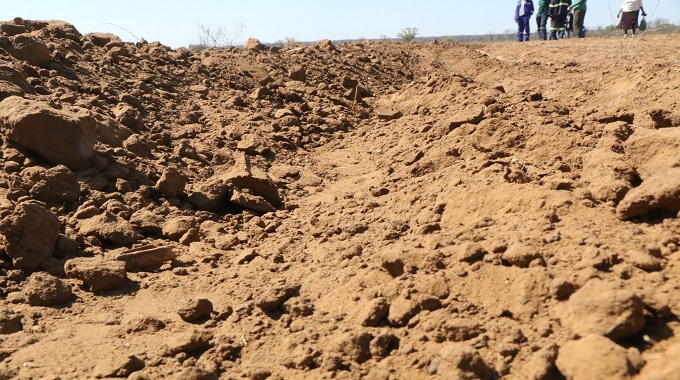
Chief director in the department of engineering, mechanisation and soil conservation, Engineer Edwin Zimhunga said the country could be realising more yields had it not been for the washing away of fertile soils and siltation to the water bodies. 

Eng Zimhunga said the protection of land and its management is crucial if the country is to boost agricultural production.

He said it was because of this realisation that Government invited all stakeholders that are in agricultural production to come up with a national policy on water and conservation. The policy is expected to be operational by August next year.
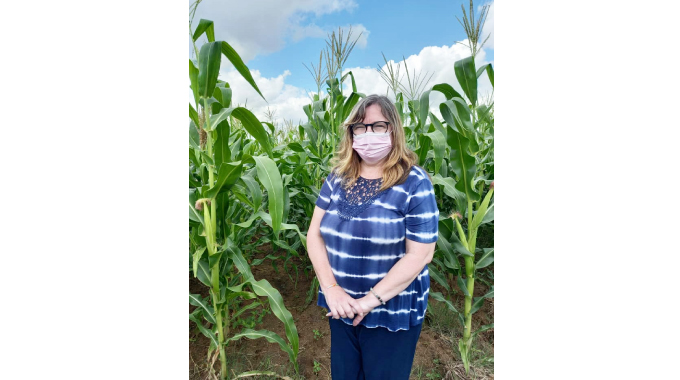
IFAD country director for Eswatini and Zimbabwe Mrs Jaana Keitaanranta at Mayorca Irrigation Scheme 

Eng Zimhunga said the goal is to have a sustainable, resilient and diverse agriculture sector to ensure food and nutrition security.

According to the Food and Agricultural Organisation (FAO), the total capacity of the 2 168 dams in the Zimbabwean component of the Limpopo basin where Bulawayo’s supply dams are located, has fallen by about 29 million cubic meters due to siltation.

Consultation processes will be held across the country followed by a five month long online survey before a final policy draft is produced. 

The exercise is being done in partnership with the Smallholder Irrigation Revitalisation Programme and International Fund for Agricultural Development (IFAD).

Soil and water conservation policy

Sikhumbuzo Moyo, Senior Reporter

The Ministry of Lands, Agriculture, Fisheries, Water and Rural Resettlement has been urged to come up with laws that support the enforcement of the envisaged Soil and Water Conservation Policy that is expected to become operational by August next year.

The Soil and Water Conservation Policy will provide guidance on the protection and management of water bodies as well as arable and none arable land.

The crafting of the policy comes soon after the Government launched the soil and water conservation blitz in June this year.

The blitz is based on the realisation that for Vision 2030 to be attained, the country should boost national and household food production.

Contributing during a consultative workshop organised by the Department of Engineering, Mechanisation and Soil Conservation on the Soil and Water Conservation draft policy in Bulawayo, stakeholders said for the policy to be effective, there is a need for laws to support it. 

One of the delegates, Mr Tatenda Manganda, a legal expert, said the policy, by virtue of being a document, has no legal force hence the need for a Statutory Instrument to support enforcement.

“It is clear that we are heading towards total disaster if we don’t act now and curtail land degradation because climate change is real. Let us put all the apparatus in place to protect our environment,” he said.

Other delegates said they must be a clear guideline on the distribution of land to prevent a situation whereby people end up being allocated land in wetlands.

Food and Agriculture Organisation (FAO)

They said the land’s carrying capacity must also be taken into account whenever people are being resettled.

“The policy must be clear on the effects of poor farming methods, it must address the increasing effects of illegal mining by looking at the provisions of the Mines and Minerals Act, which actually seem to regulate operations of well-established mining companies only,” said a delegate.

“For the policy to be an all-encompassing document in line with the Government’s development agenda of leaving no one and no place behind, it must be in all the country’s 16 official languages.” 

Chief director in the department of engineering, mechanisation and soil conservation, Engineer Edwin Zimhunga said the country could be realising more yields had it not been for the washing away of fertile soils and siltation to the water bodies. 

Eng Zimhunga said the protection of land and its management is crucial if the country is to boost agricultural production.

He said it was because of this realisation that Government invited all stakeholders that are in agricultural production to come up with a national policy on water and conservation. The policy is expected to be operational by August next year.

IFAD country director for Eswatini and Zimbabwe Mrs Jaana Keitaanranta at Mayorca Irrigation Scheme 

Eng Zimhunga said the goal is to have a sustainable, resilient and diverse agriculture sector to ensure food and nutrition security.

According to the Food and Agricultural Organisation (FAO), the total capacity of the 2 168 dams in the Zimbabwean component of the Limpopo basin where Bulawayo’s supply dams are located, has fallen by about 29 million cubic meters due to siltation.

Consultation processes will be held across the country followed by a five month long online survey before a final policy draft is produced. 

The exercise is being done in partnership with the Smallholder Irrigation Revitalisation Programme and International Fund for Agricultural Development (IFAD).

Related Posts

Bulawayo City Council cracks whip on illegal businesses

Peter Matika, [email protected] THE Bulawayo City Council has intensified its crackdown on illegal businesses and unsafe food trading operations following the discovery of 1,5 tonnes of rotten elephant meat at…

Zimbabwe ready for ‘Super El Nino’ threat to 2026/27 season

Rutendo Nyeve,[email protected] AS global weather patterns shift towards an adverse climatic cycle, the Government has moved to calm a nervous agricultural sector, revealing that the nation is well prepared for…

Leave a Reply

Your email address will not be published. Required fields are marked *

×
×