admin
admin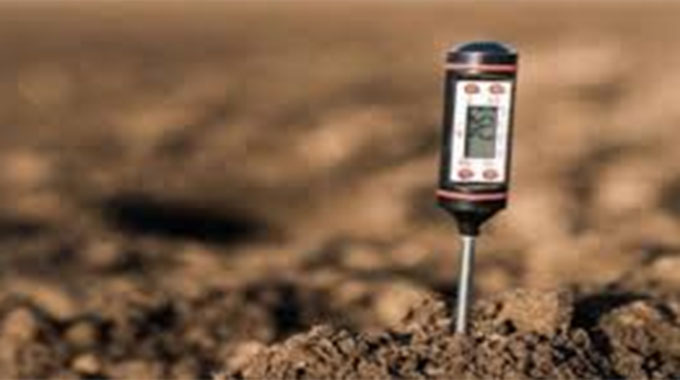
Tariro Stacey Gatsi
AS efforts to eradicate food insecurity intensify, experts have urged farmers intending to establish irrigation schemes to conduct soil testing and establish their soil’s nutrient status before investing in critical infrastructure such as irrigation.
This came out during a review and planning meeting held in Harare recently.
Chemistry and Soils Research Institute, head of Pedeology and Soil survey section Mr Luke Mhaka underlined the need to conduct soil testing, as crucial before or after investing in irrigation systems.
“By doing so, farmers can gain essential insights into the quality and composition of their soil to ensure irrigation systems are used effectively and efficiently. This knowledge can help them optimise their irrigation practices and make informed decisions regarding fertilisation and crop selection, ultimately leading to improved yields and reduced losses,” said Mr Mhaka.
Mr Mhaka further emphasised that soil surveys were classified according to the kind and intensity of field examination.
“Farmers can determine the specific requirements of their land and tailor make their irrigation strategies accordingly. This approach not only helps conserve water resources but also prevents over or under-irrigation, which can be detrimental to both crop growth and yield,” added Mr Mhaka.
Chief research officer of the Chemistry and Soils Research Institute, Mr Emmanuel Chikwari concurred saying conducting research on soil nutrients and water management was vital for increased crop productivity.
“Farmers need to take soil management and testing seriously to avoid poor crop yields and the degeneration of the quality of their soils. This is vital for boosting crop yields and ensuring sustainability of the soils.
“Also, one gets to know the status of their soil. If there are nutrients lacking, they will be able to address or recommend the fertilisers vital for that particular crop,” added Mr Chikwari.
Mr Chikwari said Government had since 2020, decentralised soil fertility testing to eight provinces in the country, as part of efforts to kick-start the programme and bring testing facilities closer to farmers at minimal costs.
Meanwhile, Government has challenged prospective farmers to conduct soil tests to make sure irrigation systems are functional and backed by adequate water supplies to ensure they maximise yields.
In an X (formerly twitter) post, Ministry Lands, Agriculture, Fisheries, Water and Rural Development challenged farmers to embrace the use of irrigation.
“Government adopted a new project model in 2021 where dam construction is meant to boost irrigation, domestic water supply, fisheries and electricity development. The 12 dam projects scope was expanded accordingly in 2021. The storage capacity of these dams is expected to be 12, 5 billion cubic metres by 2025 and should make it possible to irrigate an additional 74 000ha. The idea is to increase area under irrigation to 350 000 ha by 2025 from 173 500 ha in 2020.
“With Zimbabwe reeling under the impact of climate change, acceleration of irrigation rehabilitation and development is needed to sustain production of crops, fisheries, and livestock to meet local and increasing export demands,” read the statement.
Permanent secretary in the Ministry Professor Obert Jiri emphasised the need for farmers to move towards the use of irrigation.
“As a primary measure towards irrigation development, we urge farmers with existing underground irrigation infrastructure to utilise the equipment promptly. This step is crucial in bolstering food security,” added Prof Jiri.



 Online Reporter