Online Reporter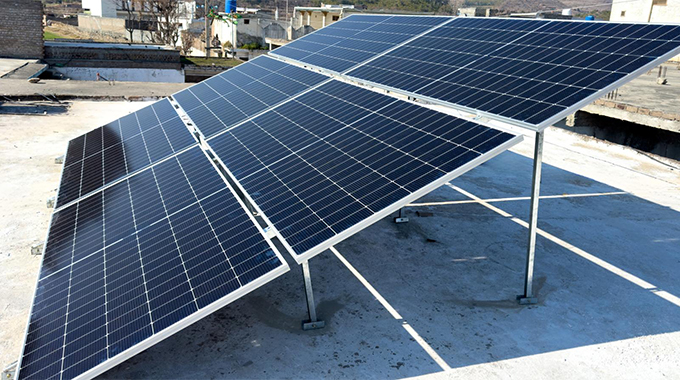
Johnson Siamachira, Features Correspondent
IN a dimly lit delivery room at Mhandamabwe Rural Health Centre in Masvingo, Ms Petunia Tshuma held her breath as she prepared to bring new life into the world. Just a year ago, expectant mothers faced the daunting prospect of childbirth under candlelight, relying on flickering flames to illuminate the delicate process.
“We used to ask mothers to bring candles and torches. Now, with solar power, everything has changed,” Ms Tshuma, a nurse, recalls, her voice tinged with relief.
The Solar for Health (S4H) initiative, led by the United Nations Development Programme (UNDP) in partnership with the Ministry of Health and Child Care and funded by the Global Fund, aims to illuminate healthcare facilities across Zimbabwe—ensuring that no mother ever delivers in the dark again.
Launched in 2017, S4H has installed solar power systems in over 1 000 health facilities, transforming healthcare delivery in some of the country’s most remote areas.
As Zimbabwe grapples with a healthcare system plagued by power shortages, the S4H initiative emerges as a beacon of hope. By harnessing solar energy, the programme not only enhances maternal and child health but also strengthens the broader healthcare infrastructure, ensuring essential services continue even during national power outages.
Zimbabwe’s healthcare system has long suffered from unreliable electricity, leading to frequent disruptions in critical services. According to the World Health Organisation, 25 percent of health facilities in sub-Saharan Africa lack access to electricity, while many others experience prolonged interruptions.
In Zimbabwe, the situation is particularly dire in rural clinics, where power cuts can last up to 18 hours a day.
The S4H initiative seeks to address these challenges by installing solar panels and energy storage systems in health facilities.
These installations power vital services, including cold chains for vaccines and life-saving medical equipment.
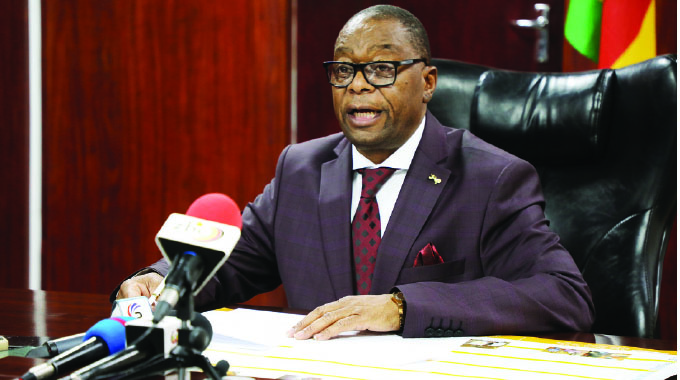
“Frequent power outages disrupt critical operations. With reliable energy, our health facilities can maintain continuous operations,” says Dr Douglas Mombeshora, Minister of Health and Child Care.
The numbers speak volumes. Thanks to S4H, 447 health facilities now have solar-powered boreholes, improving access to clean water.
The project has also led to a significant reduction in operational costs, with facilities saving up to 60 percent on electricity bills.
“This allows us to reinvest the money saved into improving services,” says Mrs Judith Chamboko, nurse-in-charge at Nemwana Clinic in Masvingo.
“Even when Binga was hit by floods in 2023, and I had just given birth, and the electricity went out for two weeks, we still got vaccines for my third child, because the solar battery-powered fridges kept humming at our clinic and our meds were fresh,” says Mrs Agnes Muchimba, a mother and part-time volunteer at Sinakatenge Clinic in Binga, Matabeleland North Province.
Beyond cost savings, the initiative directly improves patient care.
“We can now vaccinate patients daily without interruptions. Before solar power, we struggled to keep vaccines from spoiling during outages,” says Ms Shingirai Mukonoweshuro, a nurse at Mazebe Clinic in Kwekwe District, Midlands Province.
The S4H initiative not only tackles energy poverty but also addresses gender inequalities. By training women as solar technicians, the project empowers local communities while advancing gender equality.
“We see renewable energy as a powerful tool for inclusion and development,” says a UNDP representative.
Moreover, the initiative supports Zimbabwe’s broader development goals, including the Sustainable Development Goals (SDGs) on health, gender equality, and climate action.
“Solar energy is the bridge to achieving universal health coverage,” says Dr Ayodele Odusola, UNDP Resident Representative in Zimbabwe.
Despite these successes, challenges remain. Zimbabwe’s economy faces significant hurdles, including high inflation and limited investment in infrastructure. While the S4H initiative has installed solar systems in over 1,044 health facilities, a comprehensive maintenance plan is still being developed to ensure these systems operate effectively over time.
As the Government works towards full solarisation of healthcare centres, there is growing hope for a future where no mother fears delivering her child in darkness.
“This initiative has revitalised our health facilities. We can now perform outreach services and have raised our coverage from 70 percent to 101 percent,” says Mrs Nkosilathi Mulinane, nurse-in-charge in Gokwe North District.
The Solar for Health initiative symbolises a transformative leap towards an integrated approach to healthcare and energy in Zimbabwe.
By providing reliable access to clean energy, the project not only enhances healthcare delivery but also fosters economic growth and social empowerment. As Zimbabwe continues to harness its abundant solar resources, the vision of a healthier, brighter future becomes increasingly achievable.
Ms Tshuma sums it up perfectly: “The flick of a switch can change lives.”
With solar power lighting the way forward, Zimbabwe is illuminating lives—one health facility at a time. — New Ziana