

 Online Reporter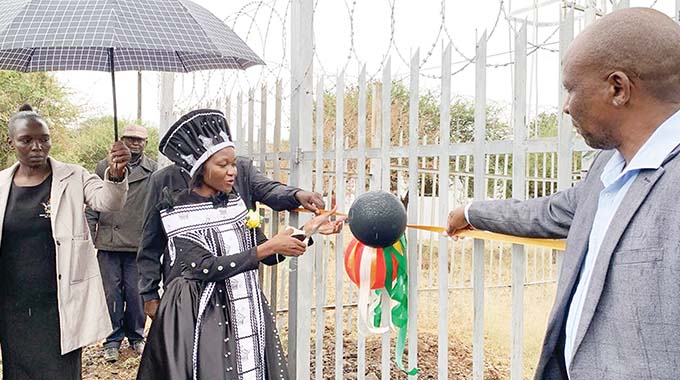
Sukulwenkosi Dube-Matutu, [email protected]
HALISUPI Primary School in Gwanda District has received a significant boost through the installation of a solar-powered borehole, an initiative set to alleviate water shortages and pave the way for school-based income-generating projects.
The intervention, which also benefits the wider Ward 19 community in Gwanda South, was made possible through a Government initiative aimed at enhancing access to clean water in rural areas.
The Zimbabwe National Water Authority (Zinwa), drilled the borehole as part of the infrastructure legacy projects linked to this year’s Independence Day celebrations, which were hosted at Halisupi Primary School.
Prior to the installation, the school faced severe water shortages, forcing learners and teachers to fetch water from distant community boreholes, disrupting lessons and posing safety risks, particularly for girls.
“The school had serious water challenges. Our borehole often ran dry and learners, especially girls, had to walk long distances to fetch water,” said Mr Mduduzi Ndlovu, vice chairperson of the School Development Committee.
“This not only interrupted classes but also raised safety concerns. With this new tap system, we can now embark on horticulture and livestock production projects as required by the new curriculum.”
The competency-based curriculum encourages schools to establish practical learning projects that equip pupils with life skills in agriculture, environmental management and entrepreneurship.
Mr Ndlovu added that the school hopes to use proceeds from these initiatives to further develop infrastructure and support vulnerable learners.
A parent, Ms Ruth Moyo said: “It was a struggle for children to concentrate in class, especially on hot days. We used to give them water to carry but it was never enough.”
The borehole has also brought relief to local businesses and surrounding communities that used to buy water from individuals, who used scotchcarts to deliver the water.
Speaking during the commissioning of the borehole, Gwanda District Development Co-ordinator Ms Nomathemba Ndlovu, said the project reflects the Government’s commitment to ensuring that “no one and no place is left behind” when it comes to development.
“This is line with President Mnangagwa’s mantra: Ilizwe lakhiwa ngabanikazi balo/Nyika inovakwa nevene vayo,” she said.
Ms Ndlovu said teachers and civil servants often avoid areas without clean water.
“This borehole is a game-changer, not just for the school, but for the entire community,” she said.
Ms Ndlovu said the school will now retain teachers thereby impacting positively on the quality of education.
She urged the school to embark on income-generating projects now that it is guaranteed adequate water.
“This borehole is more than just access to water. It’s a catalyst for learning, productivity and community development. The responsibility now lies with the community and the school to maintain the facility and maximise its benefits,” said Ms Ndlovu.
In recent years, the Government and development partners have intensified efforts to install solar-powered boreholes across the country, particularly at schools, clinics and in villages. These efforts support the National
Development Strategy 1 (NDS1), which prioritises inclusive development and improved rural infrastructure. — @DubeMatutu


 Bongani Ndlovu