Chronicle Editor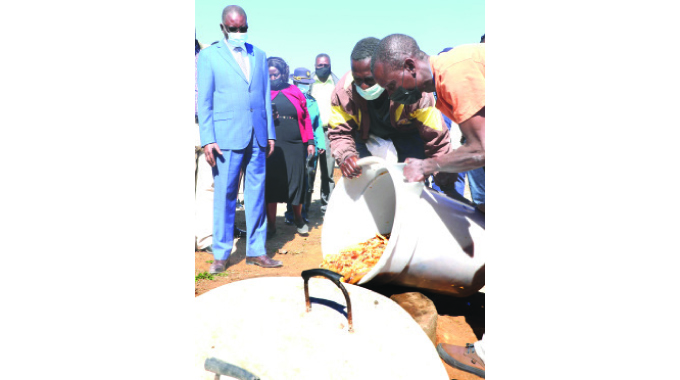
Bongani Ndlovu, Chronicle Reporter
SOLUSI Adventist High School in Bulilima District, Matabeleland South, has established a model biogas plant, which Government says must be replicated across the country as it provides cheap energy while also conserving the environment.
Minister of State for Presidential Affairs and Monitoring Implementation of Government Programmes, Dr Jorum Gumbo conducted a site tour of the biogas plant on Thursday.
He was accompanied by Minister of Provincial Affairs and Devolution Abednico Ncube, deputy headmistress of Solusi Adventist High School Mrs Ruth Ncube and senior Government officials.
The biogas plant, which was completed in 2019, serves over 600 pupils and members of staff at the institution.
It was completed with the help of the Environment Management Agency, which provided training and building material and the Scientific and Industrial Research and Development Centre (SIRDC) as the technical partner.
The implementing team was trained on how to build the bio-degrader plant and is expected to cascade the knowledge to other communities.
The model uses cow dung, bio-degradable foodstuffs such as leftover bread, maize meal, rice and vegetables that pupils leave after meals.
The biogas plant is situated behind the dining hall and the renewable energy has reduced the amount of wood that was needed to cook food for the pupils.
Before that, the school would use 20 wheelbarrow loads of firewood each week, but now the number has been reduced to 10.
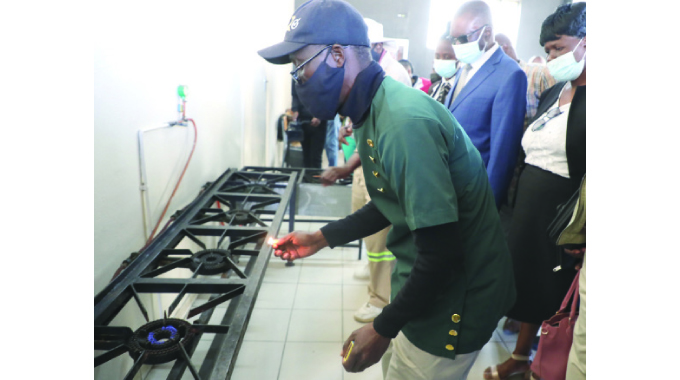
The challenges that are being faced are that the gas stoves are too small to fire up the huge pots that cook for the over 600 mouths.
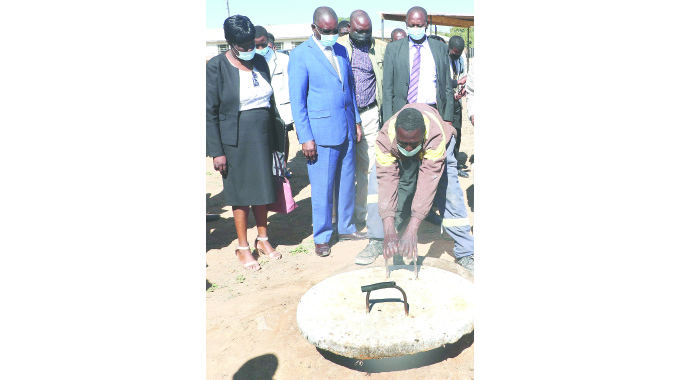
Mr Manda Bafana Dube, who heads the catering department, demonstrated how the biogas plant works, to the entourage, as there is an inlet where the waste is poured in and then mixed.
The second inlet is where the biogas is captured so that it can supply the dining hall through pipes with gas.
Then an outlet where the sludge is situated is used to water a thriving vegetable garden.
Thereafter, Dr Gumbo was taken to the dining hall where he was shown the gas stoves and was given a taste of bread and scones that the high school bakes for their learners.
In his remarks, Minister Gumbo said biogas is not only one of the most efficient and effective renewable energy possibilities available, but also requires less capital investment than other energies.
He said it was prudent that this project be replicated in other schools within the district.
“I have been briefed that the project produces renewable energy throughout the year with a reliability rate of 95 percent and has therefore provided relief to the 800 learners and 80 employees of this institution,” he said.
“Before implementation of the project the school was using both electricity and firewood for cooking.
The project has, therefore, led to a significant decline in the amount of firewood being used for cooking and other purposes.
I hope that the project will be replicated in many other schools in this jurisdiction,” said Minister Gumbo.
“While Zimbabwe is endowed with plenty of biomass reserves, it is estimated that millions of tons of wood are burnt for heating and cooking purposes.
The over-reliance on wood and fossil fuels such as coal, diesel, paraffin and petrol as energy sources remain significantly overwhelming in the country.”
After the tour, Solusi EMA child president, Nyasha Martha Gakanje, said the biogas plant was a vital project for their school and plans are in place to expand it.
“The first thing is to save power and reduce high levels of electrical energy consumption.
We as a school opt for biogas as a source of law and we are in the process of expanding the bio digester and becoming commercial, which can power up the whole school.
However, more resources are needed,” said Gakanje.
Solusi High School deputy head, Mrs Ncube said the biogas plant has brought relief to the learners as the school can now cook food for them during power outages.
Minister Ncube said establishing the plant was in line with global trends of using green sources of energy.
“This is a unique and beneficial programme that should continue building momentum and receive the necessary buy-in it deserves from the private sector and the public as the world is moving towards green energy, which is environmentally friendly,” he said.
“In Zimbabwe, renewable energy is ideal alternative energy because it’s a less expensive option for low-income communities.
It is locally available and can be easily used and managed by communities and institutions.
This is in line with Vision 2030 with such beneficiary projects no place will be left behind.” Minister Ncube said.



 Online Reporter