Online Reporter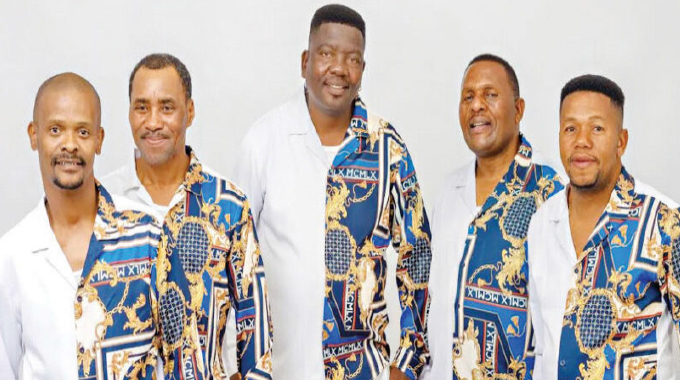
Langalakhe Mabena
Zimpapers Arts and Entertainment Hub
THE kings of Mbaqanga, Soul Brothers of South Africa, are set to mark their 50th anniversary in grand style with the release of a new album yet to be titled, which will feature the vocals of the late founding member, David Masondo.
The group’s only surviving founder, Moses Ngwenya, revealed that the forthcoming project is both a celebration of the band’s golden milestone and a tribute to the fallen founding members who devoted their lives to perfecting the soothing sound of Mbaqanga.
The album will feature songs like Into Yami, Thatha Owakho and Akuvumi.
“We formed Soul Brothers half a century ago and our fans’ loyalty has carried us every step of the way. This album is not only a celebration of that journey, but also a heartfelt commemoration of our founding members, Zenzele Mchunu, Tuza Mthethwa, David Masondo and America Zulu.
“We also honour the many other incredible musicians who were part of this journey and helped shape the legacy of Soul Brothers like Japan Sidoyi, Sipho Bhengu, Mpompi Sosibo, Lawrence Mothoa, Vusi Mabuza, Mbongeleni Dladla, Javas Magubane, Lemmy Mabaso, Thomas Phale, Maxwell Mngadi, Sicelo Ndlela, Sifiso Nyoka and July Mhlabane,” said Ngwenya.
He said the upcoming project has been in the pipeline after the release of their 2023 album Hamba Naye, which was a success. After receiving so much love from their followers, Ngwenya said he began thinking about the next chapter.
“In early 2024, the vision for our 50th anniversary album started to take shape. I dived into our archives, going all the way back to the beginning and I discovered songs that were never released.
“At the time, they didn’t meet our standards, but I knew they had potential. We then decided to fine-tune the songs and make them a part of this milestone project,” said Ngwenya.
With the help of new technology and Artificial Intelligence (AI), Ngwenya said he began the profound work of breathing life into the project. He said using the latest technology felt like opening a channel to the past.
“Through AI, I was able to carefully revisit and revive these tracks, adjusting the keys, BPM, and arrangements, not to change them, but to perfect the vision the brothers originally held.
“The goal was to polish the recordings until the soul of our original sound was shining and ready for today’s audience,” he said.
Black Moses, as Ngwenya is affectionately known, said what makes the upcoming album special is that fans will hear the voice of the legendary David Masondo in a “new” project one last time.
“Though we lost him in 2015, his spirit lives on in every note and lyric. This album is our tribute to him and to all the members who contributed to our legacy,” he said.
Part of the album production is the United States’ Adam Glazzer, who specialises in playing the mouth organ. Glazzer visited Soul Brothers during their recording sessions and they decided to feature him on one of the tracks.
To celebrate this golden milestone, Soul Brothers are set to hold a special anniversary tour across South Africa, while also extending it to Bulawayo in honour of their enduring connection with Zimbabwean fans.
“Our 50th anniversary tour kicks off in Mpumalanga and KwaZulu-Natal on 31 October where we are releasing a single while the full album will be released in November with visits to more towns and cities to be announced soon.
We’re still confirming bookings, and we’re also targeting a date with our Bulawayo fans.
“We can’t wait to bring the music to our fans across the country,” said Ngwenya.
Formed in 1975 in KwaZulu-Natal, the Soul Brothers began their journey under the name The Young Brothers, founded by David Masondo, Zenzele Mchunu and Tuza Mthethwa.
“Their move to Johannesburg marked a turning point, it was there that Moses Ngwenya joined the group and together they rebranded as The Soul Brothers, laying the foundation for what would become one of the most influential Mbaqanga bands in Southern Africa.
Over the years, the Soul Brothers have built a massive fan base in Zimbabwe, Bulawayo in particular, where their music has long found a home. During South Africa’s apartheid era, when their songs were banned back home, the group turned to Bulawayo, where they performed for appreciative local audiences who welcomed their sound with open arms. To this day, the band fondly refers to Bulawayo as their second home, a city that has consistently shown them love, loyalty and unwavering support.