Online Reporter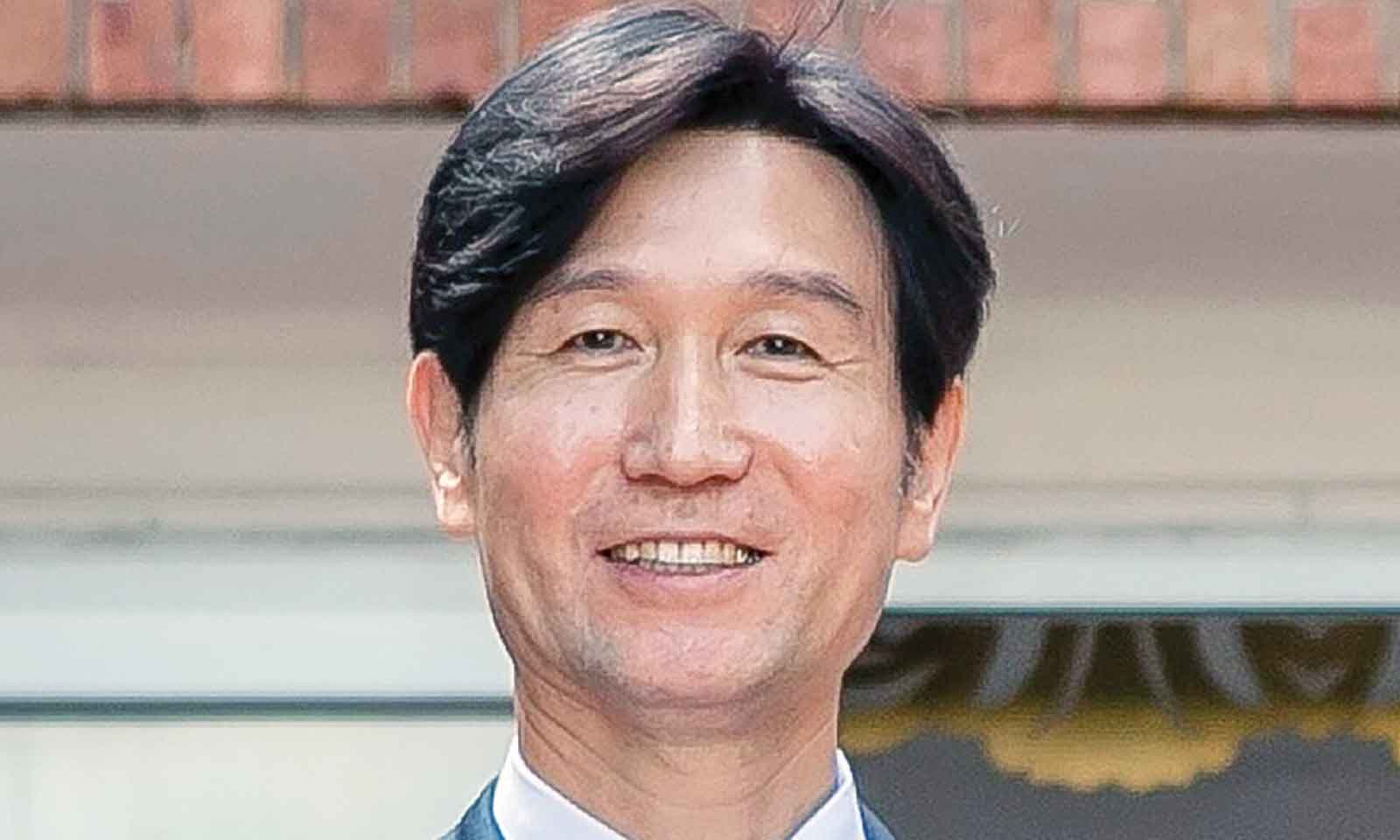
THIS year, Zimbabwe and South Korea experienced a deepening mutual trust that has led to a strong and positive trajectory in increased bilateral, diplomatic and multilateral engagements. With mutual trust strengthening, the two countries have supported each other on international platforms, including South Korea backing Zimbabwe’s UN Security Council bid for a non-permanent seat for the 2027-2028 period. Zimpapers Politics Hub’s Gibson Nyikadzino (GN) interviewed South Korea’s Ambassador Jae Kyung Park (JKP) on future relations of the two countries in the face of emerging, new realities. Below are the excerpts:
GN: Last year South Korea hosted at least 45 African governments for the inaugural Korea-Africa Summit, which President Mnangagwa attended. What tangible progress has been recorded by the two countries since then?
JKP: Thank you for reminding me of the big event. Follow-up discussions at ministerial and senior business levels and another leaders’ gathering are possible at the beginning of next year. We are planning to have the Korea-Africa ministerial summit again, and preparations are in progress for another leaders’ meeting. In the Zimbabwean context, more than 10 ministerial visits were held last year. This year high-level exchange visits between the two countries have continued. We witnessed the visit by a big parliamentary delegation headed by our vice speaker of the National Assembly. At the provincial level, the vice governor of Jeonbuk province visited Bulawayo to discuss twinning agreements. Bilateral exchange visits continued throughout the year.
GN: What developments occurred on the diplomatic front?
JKP: I would say the mutual trust has strengthened. One example is, we are pleased to support the candidature by Zimbabwe for the UN Security Council non-permanent seat, and vice-versa. Our diplomatic relations, not just bilaterally, but at multilateral level, we are supporting each other.
GN: Kindly break down this relationship in figures and numbers?
JKP: Firstly, bilateral trade for the past three decades has been quite dormant. It was about US$30 million. But last year, for the first time ever, it reached US$48 million. And as of October this year, it was already US$40 million, and we expect the figure to reach US$50 million. Our people-to-people exchanges are increasing, and are also very promising. There has been an increase of Zimbabweans travelling to Korea – from 300 to more than 600 — while Koreans to Zimbabwe are expected to reach 20 000 this year from around 8 000 in 2023.
At Government level, senior officials exchange visits have increased, so too have trade volumes and people-to-people exchange programmes. All these numbers indicate we are on the positive and upward trajectory, marked by cooperation in development, trade and exchange programmes.
GN: How do you reconcile these statistics with the potential of Zimbabwe-South Korea relations?
JKP: I have to admit the numbers do not reflect our full potential, hence we continue to work hard towards increased trade volumes. At the same time, I would want to see a signature investment project in Zimbabwe funded by Korea.
GN: Any factors impeding that development?
JKP: As you may understand, that kind of business decision takes a long time and takes real entrepreneurship, courage and thorough assessment on various things. But I would like to say we are working very hard to make the foundations and basis and provide necessary information to the companies and to agents and institutions in Korea. Engagements in the mining sector are still ongoing. There are some companies that are showing big interest, and also the pharmaceutical sector. There is Korean pharmaceutical company interested in establishing a joint venture here. And also in the agricultural side, there is a company which is very much interested in opening black soldier fly factories here. So those discussions are ongoing. And I hope sometime soon we would see the tangible outcome from this.
GN: You mentioned mining investments. Zimbabwe may likely leverage its future relations with other countries using its vast mineral wealth. How do you locate Korea’s place in this set up?
JKP: The new reality affects every one of us, whether developed or developing countries. The transition to sustainable energy, particularly the electrification of not just vehicles, but many areas of our daily lives, is related to that. How do we use the energy in a more sustainable manner? In that sense, the lithium and other critical minerals in Zimbabwe are very significant. Lithium is a strategic asset that makes Zimbabwe attract regional and global attention.
Zimbabwe has the minerals. So I think the focus of Korean companies is not just the extraction of the raw materials, but how they may contribute to further industrial and economic development. So based on our experience, we may support Zimbabweans with processing technologies to enter the global supply chain. Because it is not just about the raw materials, but about the processing and standard issues. What grade is the lithium, processed or unprocessed, is good for the global standards, for example? Will the batteries and electric vehicles meet international standards.
GN: What are the areas that Korea can assist with in this regard?
JKP: Processing, grading and quality control are the three areas that the Korean government and companies can assist with through policy and consultations. That is our role. As I said, it is not just about raw materials. It goes beyond the extraction and how we can add value?
In that sense, we are on the same page with the Government. We understand that is the way forward for Zimbabwe as well.
GN: Lastly, what can we expect from the Zimbabwe-South Korea relations in 2026?
JKP: We are doing a lot of development projects in diverse sectors such as agriculture, education, energy, health, climate change and even the social reintegration of returnees from neighbouring countries through United Nations agencies. In 2026, we plan to provide more assistance to youth and women empowerment programmes. We are communicating with the relevant ministries on that part. Our position is not about mimicking or copying the development models of other countries. There should be a certain development model that Zimbabwe can take. I think Zimbabwe is doing a good job, but still, of course, has a long way to go. So the way forward, we are trying to give some reference points. One example is the rural development model which we will start in Manicaland Province. We hope this can be a kind of game-changer for the villages in that province. I personally tried very hard to start that model village project in Zimbabwe to encourage people to self-sustain.