admin
adminof carrying out aerial bombardment on the departing troops.
The South’s troops seized Heglig on April 10, claiming Khartoum was using it as a base to attack the South’s oil-producing Unity State.
Heglig is internationally regarded as part of Sudan, although South Sudan disputes it. The 10-day occupation by the world’s newest nation met widespread criticism, including from UN chief Ban Ki-moon, who called it illegal.
South Sudan’s President Salva Kiir on Friday announced his forces would carry out “an orderly withdrawal” from the area. On Sunday, a Sudan People’s Liberation Army (SPLA) spokesman said all southern troops had left.
The SPLA “completed its withdrawal from Heglig yesterday” spokesman Philip Aguer said.
But, he charged, as the withdrawal was ongoing, Khartoum’s air force “continued bombing on the night of the (Friday April) 20th and in the morning of the 21st”.
Kiir heads to China today for an official visit to a country long-considered Khartoum’s ally, although Beijing has developed closer ties with Juba, notably in the petroleum sector.
“China’s position on that issue is to promote dialogue and urge peace. It does not favour any side,” said Li Guangyi, professor at the Institute of African Studies at the University of Xiangtan in central China.
“Fighting is not only not beneficial to them (Sudan and South Sudan), it isn’t beneficial to China either,” he added.
The African Union (AU), which has for years sought to broker a sustainable peace between the bitter rivals, yesterday again called for “a complete cessation of all hostilities,” and a swift resumption of talks.
Both sides should consider their “responsibility towards their region, the rest of Africa and the larger international community,” the AU statement said.
Since the invasion, oil production at Heglig has been shut and facilities there were leaking. Each side accused the other of damaging the oil infrastructure, which accounted for about half of the north’s production. South Sudan formally gained independence from Khartoum in July. — AFP.


Online Reporter
- Herald
- October 3, 2026
- 13 views
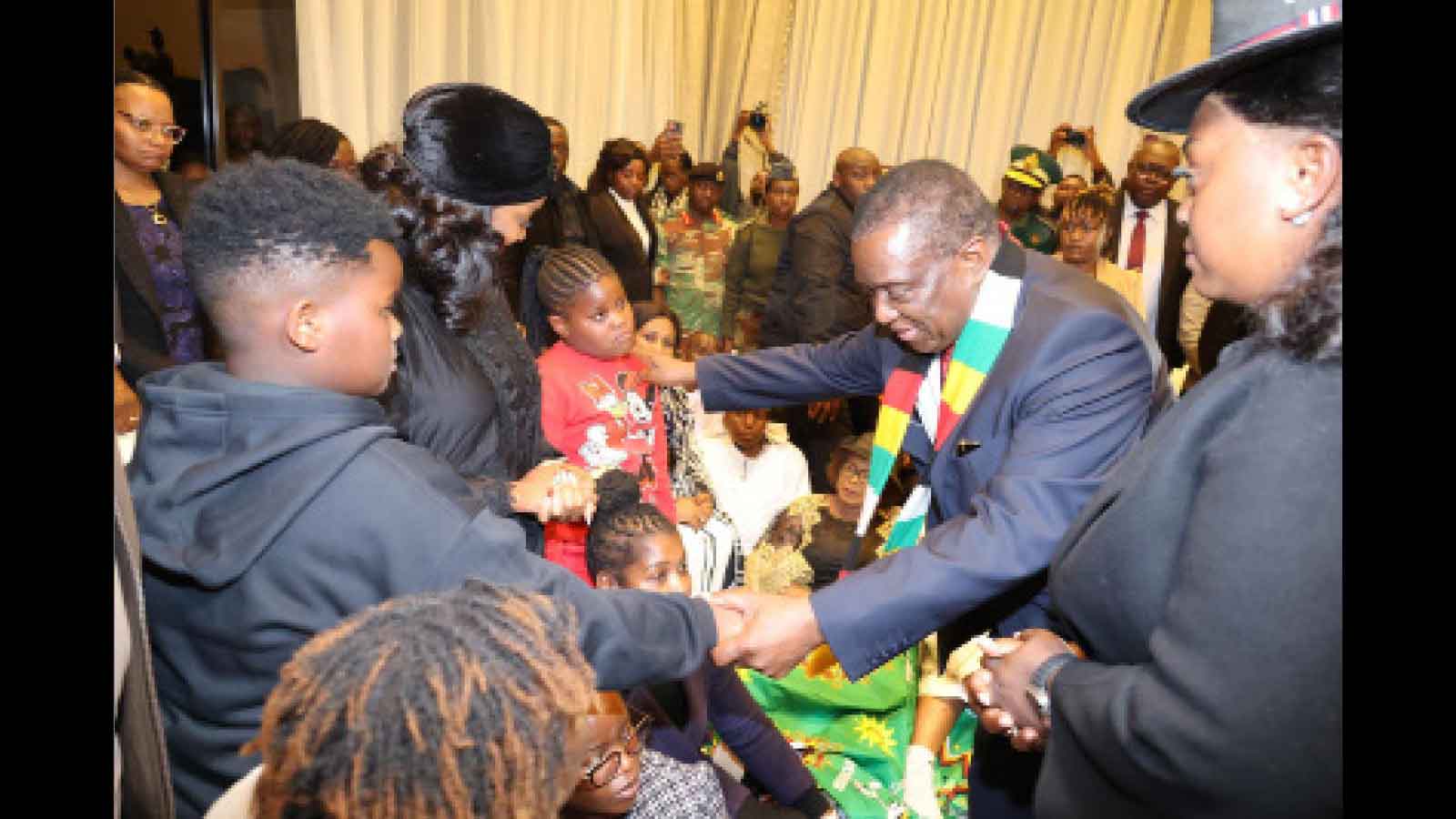
President honours Chivayo . . . accords businessman provincial hero status
Wallace Ruzvidzo-Herald Reporter PRESIDENT MNANGAGWA last night visited the Chivayo family home in Gletwyn, Harare, to pay his condolences following the death of businessman and philanthropist Mr Wicknell Chivayo, his…