Andrew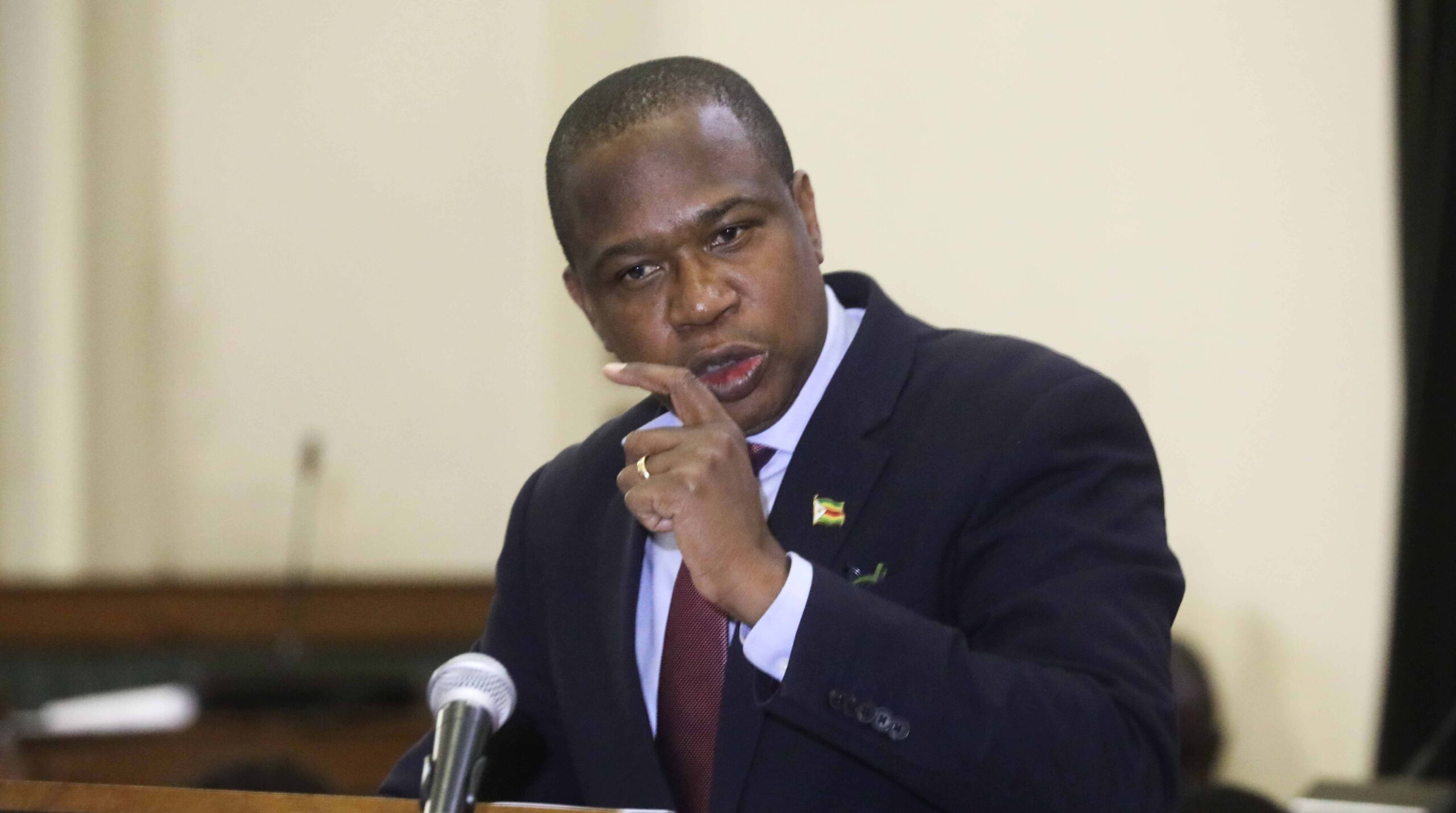
Tawanda Musarurwa
Online News Editor
GAMBLING is intrinsically high-stakes, and for the gambler it is like a drug.
Once the player hits that first high, the natural inclination is to seek out more.
Speculative behaviour in Zimbabwe cannot be said to have emerged during the hyperinflation era of circa 2006-2008, but it certainly became widespread during that period, and its effects were, and continue to be devastating.
In his 2008 book — Zimbabwe’s Casino Economy: Extraordinary Measures for Extraordinary Challenges — former Reserve Bank of Zimbabwe (RBZ) governor, Dr Gideon Gono, references a “casino ethic”.
And, while announcing additional measures to protect the local currency earlier this week, Finance and Economic Development Minister Professor Mthuli Ncube hinted at speculative behaviour as the Zimbabwean economy’s fundamental problem.
“The lack of confidence and high inflation expectations have incentivised economic agents to engage in parallel market bench-marking in the pricing mechanism, and in a skewed preference for US dollars for commercial transactions,” said Professor Ncube.
“Forward exchange rate pricing is also the norm, thus creating a vicious cycle of increasing prices, which is self-fulfilling and is generating higher month-on-month levels of inflation as well as fuelling adverse inflation expectations.”
There are those who scoff at Professor Ncube when he so often says the “fundamentals are right”. But when inflation is not caused by a current account deficit and/or fiscal deficit, and money supply is in check, then the problem lies elsewhere.
Speculative behaviour in Zimbabwe operates at two basic levels. First, it shows up as a survivalist response for the many, who experienced the harsh reality of the 2008 hyperinflation era, and is typified by hedging.
Experts say inflationary psychology is premised on the basic concept that if prices are rising and have risen in the past, then the various economic agents will expect prices to continue to rise in the future, and thus behave accordingly.
Then there is downright greed; the intentional seeking out of unwarranted super profits by taking advantage of, or creating, arbitrage opportunities.
With regards to the latter, take for example, a company that is borrowing on a fixed rate arrangement in Zimbabwe dollars, and then there is currency depreciation, that company can make huge profits just by playing currencies alone.
And that is what has been happening, which is why one of the recent measures by the fiscal and monetary authorities was to increase the interest rate from 80 percent to 200 percent; to fight the spectre of speculative borrowing.
What these unscrupulous businesses have been doing is tantamount to biting the hand that feeds them. Interestingly, they could be the same companies that lobbied for a reduction in the interest rate at the height of the Covid-19 pandemic in April 2020.
The reality about speculative behaviour is that at massive scale – as has been happening in the country lately – money that could be invested in productive sectors is then diverted to an entirely derivative economy.
Another reality is that the benefits are short-lived and tend to inconvenience the majority. While the recent interest spike will help curb speculative borrowing, the increase will also make debt financing — a critical component to most business operations — considerably difficult.
And that is the paradox for the authorities.
Some observers think there is need for a fundamental reshaping of our morals.
Associate Professor of Sociology and director of the Centre for Data Ethics at the Institute for Intelligent Systems (University of Johannesburg), Tapiwa Chagonda says Zimbabweans need to adjust their moral compasses.
“Speculators continue to engage in activities that rake in quick profits, at the expense of the economy and Zimbabweans.
“In my view economic reforms alone cannot end the country’s economic crisis. Instead of more economic interventions, Zimbabwean society needs to self-introspect and assist in re-setting the country’s ethical compass,” he wrote in a 2021 paper.



 Online Reporter