admin
admin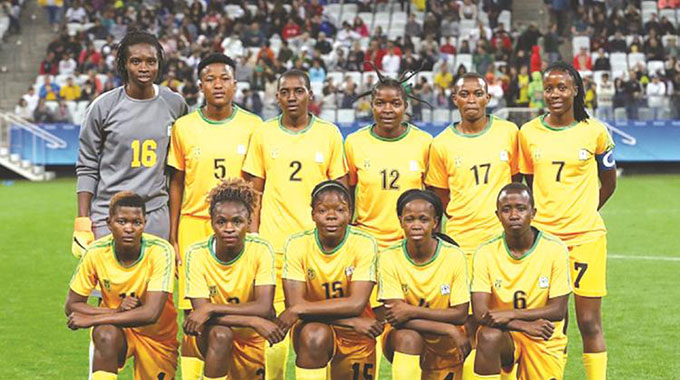
Ellina Mhlanga Sports Reporter
FOLLOWING the success stories written by the Mighty Warriors and the
in the last few years, one would have expected to see the interest and momentum, generated by these teams leading to a positive change.
The Mighty Warriors became the first Zimbabwean football team to qualify and compete at the Olympics. Last year, the Gems represented the country at the Netball World Cup in Liverpool, England.
They concluded their maiden campaign in eighth place and captured the imagination of their country. Despite putting the country on the map, the two teams appear to have fallen off the radar. When the Mighty Warriors featured at the 2016 Olympics, they were one of the two African teams in Brazil.
South Africa were the other team.
The South Africans went on to make their debut appearance at the FIFA Women’s World Cup last year, a sign the team had moved a notch higher, after getting support from their country. Back home the Mighty Warriors boycotted a home match, an Olympic qualifier against Zambia, over unpaid dues.
Former Mighty Warriors coach, Shadreck Mlauzi, said a lot still needs to change the situation.
“A lot really comes to this hegemony and patriarchy. And, to some extent, in as much as hegemony and patriarchy seem to be at the forefront, one must also perhaps point other fingers back at some of the women in those influential positions,” he said.
“They are not really championing the girl child causes quite well. Look at what South Africa has done, they never looked back, they have the full support of SAFA,” said Mlauzi.
“Yes, the league has its own problems but, overally, they are doing well. They are qualifying now for virtually every tournament in women’s football.
“You look at Zambia, we would beat Zambia home-and-away in previous years, but now Zambia will just get past us.”
Gems coach, Lloyd Makunde, said the media should also take the blame.
“I would partially give the blame to the media, all over the world the media makes or breaks something,” he said.
“They did a good job, towards and during the World Cup.
“But you would expect after the World Cup, they would make it even possible for corporates to come on board.
“If I look at it now, it’s like the Mighty Warriors never went to Rio and the Gems never went to the World Cup.
“Other countries cherish those moments. It’s not only the media, I think it’s everyone, we are not doing enough, especially for the girl child.”
Makunde noted that financial backing was also key.
“The World Cup, I thought it was the going to unite us. When we were playing in Liverpool, everyone was united and rallying behind the girls,” he said.
“It was Zimbabwe playing, we were one. If everyone had kept that spirit, after the World Cup and say we are Zimbabweans, let’s do away with division and be one, it would good for the sport.”


 Online Reporter