Chronicle Editor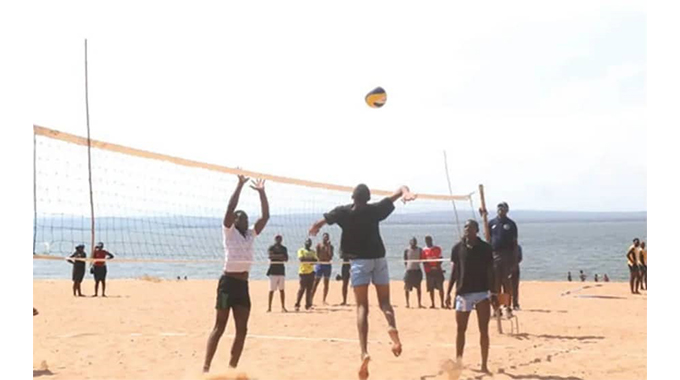
Simba Jemwa, Features Reporter
THE Zimbabwe tourism industry has been in the doldrums for the last 36 months or more, pegged back by the global Covid-19 pandemic. In this economic climate, the major cities of Harare and Bulawayo have received a welcome boost from playing host to international cricket enthusiasts.
And given that the local team made it through to this year’s T20 World Cup to be held in Australia next month, the city of Bulawayo was the real winner. If sports tourism was considered a major contributor to the Gross Domestic Product, any studies done would have provided us with a fairly realistic estimate that the International Cricket Council T20 World Group B qualifiers that were played at Queens Sports Club and Bulawayo Athletic Club generated a substantial economic impact on Bulawayo.
The study would have determined that thousands of people visited Bulawayo for the ICC T20 qualifiers and related activities, including the locals who were in the city because of the qualifiers but did not attend the games.

Also, any study based on extensive research done during the Bangladesh and India tours that were played in Harare would have given us a measure of the importance of sports tourism to any economy.
Basics suggest that such events will have produced millions in increased tax revenues for the City of Kings and Queens as well as Harare.
Sport tourism events have been identified as providing an exciting opportunity to market cities as preferred tourist destinations, and to offer growth opportunities for the respective local economies. Such identification is linked to the fact that sport tourism events play a crucial role in shaping national and local tourism offerings, while also transforming destinations to become desirable event-driven economies.
There are both economic and social benefits to be gained on both national and regional levels from the hosting of sport tourism events. The successful hosting of a sport tourism event can lead to substantial increases in visitation and tourism revenue, as well as to a sense of heightened pride among the community members in the host city or country. Moreover, successfully hosting a sport tourism event can also lead to enhanced city visibility and to an improved city image.
Due to such perceived benefits, sport and tourism have grown significantly to become important economic activities in both the developed and developing worlds. In this regard, sport tourism events have become a key focus point for academic debate and for governmental consideration, especially in emerging countries
“Benefits which are not easily quantifiable are also attributed to the ICC T20 qualifiers and the Indian and Bangladesh incoming tours whose matches were played in Harare,” Zimbabwe Tourism Authority chief executive, Ms Winnie Muchanyuka stated in an exclusive interview.
“This includes benefits to local and regional industry players, improvements to infrastructure and other developments, and the marketing exposure for the country generated by one of the world’s largest media events,” she said.
But is the country as a whole doing enough to promote sports tourism? Is the country doing enough to leverage its vast tourist destinations together with its love for sport to generate income from this very underrated sector of the tourism industry?
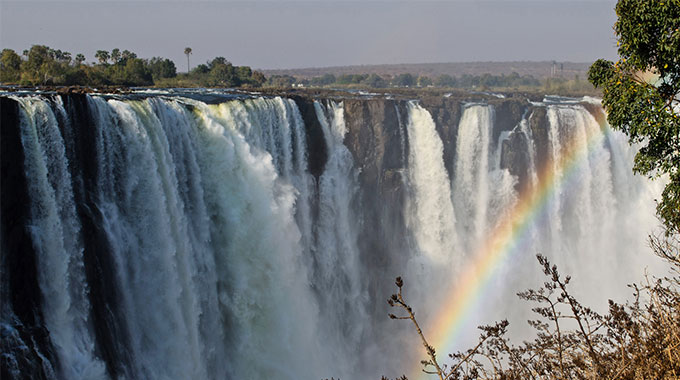
Over the years, a number of sites have been identified across the country to build facilities for sports tourism activities as part of the government’s plan to diversify the tourism industry, according to Ms Muchanyuka.
Ms Muchanyuka explains that while tourism activities were Zimbabwe’s biggest source of income, there was a need to increase the amount that tourists spend during their stay. She emphasises?that sports tourism has been identified as an area with a lot of potential, especially water sports.
“We have already identified a number of sites where investors will be able to build facilities as part of this project, such as Victoria Falls and Binga. The Government’s plan for diversification of the economy is part of the Second Republic’s National Development Strategy 1 (NDS-1) and is also centred on expanding tourism, fisheries and sports?with new activities and investments.”
Zimbabwean investors in the development of sports tourism should have priority over foreigners, although the government is aware that some of the projects require a lot of capital that can only be obtained from foreign investment, says Ms Muchanyuka.
“This is why the?government is allowing foreigners to partner with local investors for tourism projects,” says Ms Muchanyuka
The ZTA Chief Executive also notes that the Econet Victoria Falls Marathon and the national beach volleyball championships which were held in Binga are good examples of a way to bring in more visitors through sports. The marathon was initiated by Econet to encourage people in Zimbabwe to stay healthy. The marathon has now become an annual event that attracts locals and foreigners working or holidaying in Zimbabwe, as well as foreign visitors.
The economic contribution that sports tourists make to a country’s economy is becoming better understood. For example, emerging players in sports tourism have found the relationship of demographic and trip characteristics to visitor spending and should now be able to provide an analysis of sports travel visitors across time. They will find that the most significant factors relating to increased spending per day are high income levels and whether the visitor was inter or intra-province.
Sports event travel is estimated to be worth US$27 billion per year to the global economy. The evidence from past global showpieces would seem to suggest that this market segment is more resilient than other sectors within the tourist industry.
The recent upsurge in sport tourism development as a socio-economic development tool for Third World countries commands critical consideration. Such deliberation is required because sport tourism exists within a complex network of social, economic, political, cultural and environmental factors that can ultimately determine the impact of sport tourism on certain destinations.
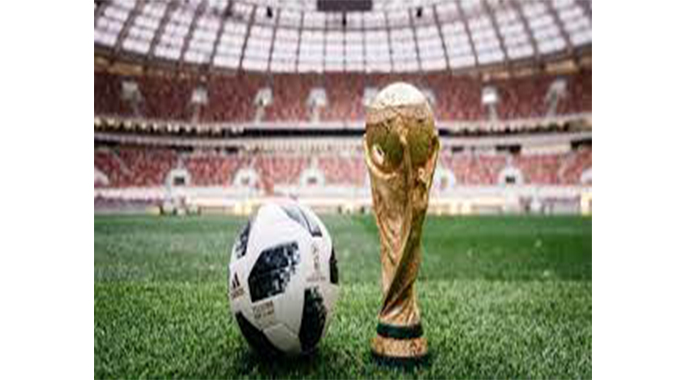
In this regard, there is a general need to assess the possibility of using major sport tourism events as a catalyst for development in the African context, perhaps using the experiences gained from the hosting of the 2010 Fédération Internationale de Football Association (

) World Cup and the 2013 African Cup of Nations (Afcon) in Port Elizabeth, South Africa, as a case study. Industry operators and players can achieve this by use of self-administered questionnaires targeting event attendees during the hosting of both events. The key variable measures surrounded key tourism aspects of the event and such a study will find similarities and differences in relation to travel motives, demographics and types of tourism activities in which engaged.
Interestingly, after the World Cup and the Afcon tournament, repeat visitors to South Africa were enthusiastic about revisiting the province, as they recognised the tourism offerings to serve as a drawcard to the area.
In the Zimbabwean context, tourists have strongly indicated the desire to promote the country upon return to their place of residence, by means of positive word of mouth. There is a demonstrable ability of sport tourism events to act as a catalyst for tourism, especially when they are properly leveraged. There is a need for tourism authorities to capitalise upon the opportunity presented by sport tourism events to maximise benefits by way of designing appropriate programmes for marketing and strategy, as well as policy. – @RealSimbaJemwa


 Online Reporter