Online Reporter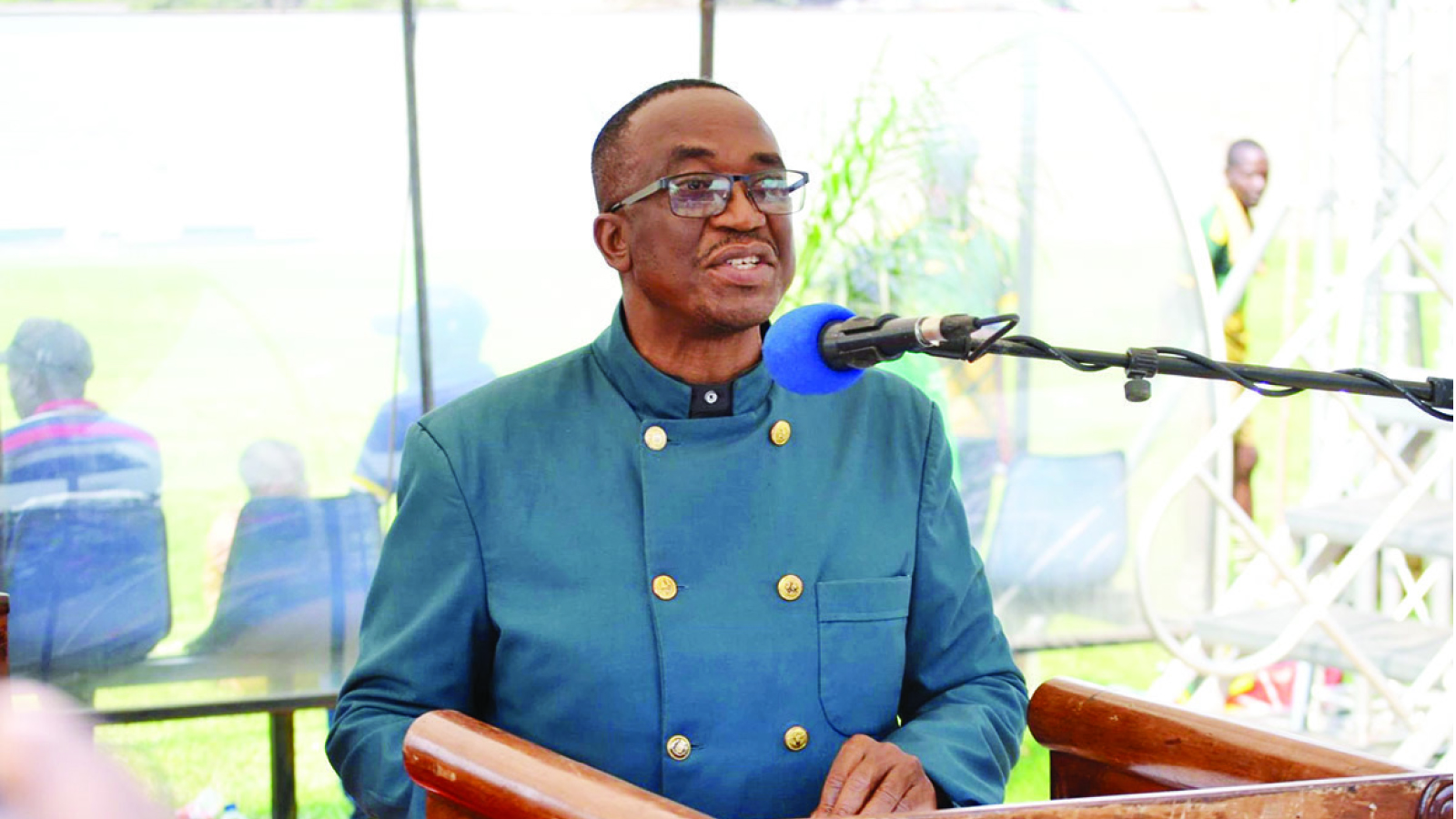
SINCE their appointment in July, the new Sports and Recreation Commission board members have stepped up their bid to tackle critical national priorities in the sporting sector.
These include creating a fair and opportunity-rich sporting environment positioning sport as a viable livelihood unlocking commercial value, enforcing governance and compliance.
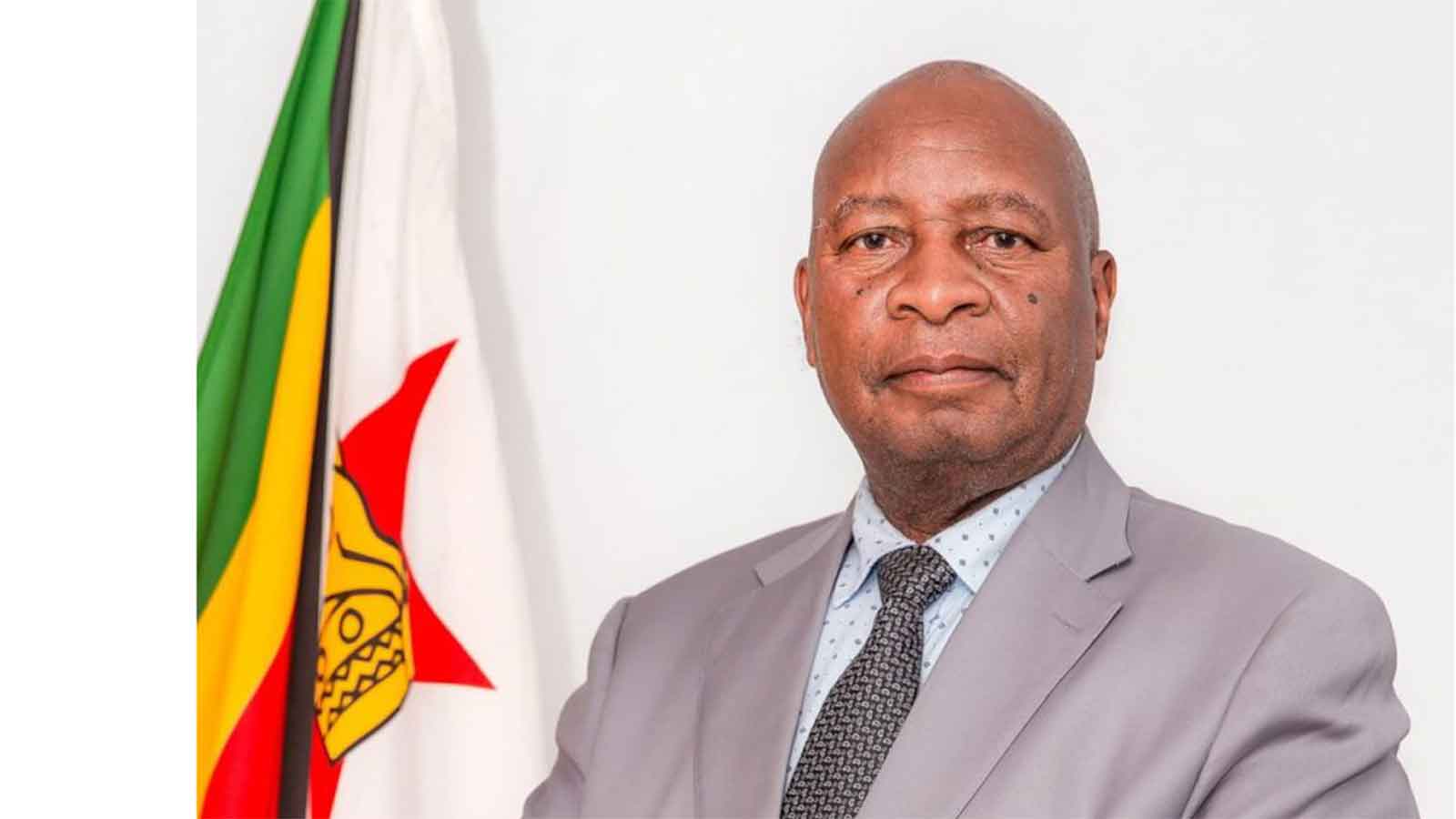
Zimpapers Sports Hub’s Petros Kausiyo this week caught up with SRC chairman Nathaniel Madzivanyika, who outlined a grand vision that could see sport in the country turning the corner, especially if national associations, most of whom have struggled with compliance issues, abide by statutory requirements pertaining to governance and development and unlock the rich potential this industry has and play their roles in also promoting national wellness and driving development.
Q: Since your appointment in July 2025, chairman what concrete steps have the SRC taken to create a fair, balanced and opportunity-friendly sporting environment for all Zimbabweans, particularly those in rural and under-served communities?
A: Thank you. Indeed, inclusivity is foundational. Firstly, SRC’s mandate is to ensure that opportunities for sport and recreation are available to all persons throughout Zimbabwe, as per the Sports and Recreation Commission Act.
Q: What mechanisms is the Commission putting in place to ensure that schools, community clubs and grassroots structures have equal access to opportunities, coaching, and resources?
A: Under the new board, we are prioritising grassroots development, which explicitly means going beyond urban centres into rural districts — working closely with schools, clubs and local community organisations to revive and expand sport programmes.
We plan to audit existing recreational facilities nationwide to assess condition and accessibility, and then roll out a phased refurbishment or building plan to ensure even small communities have safe, functional sporting spaces.
Additionally, we aim to support recruitment and training of coaches and instructors across provinces, not just in Harare and Bulawayo, to guarantee that talent and interest are not lost simply due to geographic or economic disadvantage.
Q: Many young athletes struggle to see sport as a sustainable career. How does the SRC plan to reposition sport as a viable livelihood in Zimbabwe’s economic landscape?
A: SRC recognises sport as more than just recreation. We treat it as a sector with real social and economic value. Through our Public-Private Partnership (PPP) and sponsorship frameworks, we intend to mobilise private-sector investment in sports development, infrastructure and programmes.
Q: What role do partnerships with the private sector play in unlocking commercial value and employment opportunities within the sports sector?
A: This approach will create opportunities not only for athletes, but for coaches, administrators, facility managers, sport educators, and related support services (e.g. marketing, event management, sports goods manufacturing).
Moreover, by building and maintaining quality facilities, we aim to host domestic, regional and international events — which can stimulate tourism, generate revenue, and create jobs. This aligns with the broader understanding that sport can contribute to economic growth, community development, and public health.
Over time, with transparent governance, good management, and sustained investment, sport can become a pathway to sustainable livelihood — not just for a few individuals, but as a sector contributing to the national economy.
Q: Zimbabwe has significant untapped commercial capacity in sport. How does the Commission intend to stimulate investment, sponsorships and revenue generation within the sector?
A: By 2030, we envision an industry where sport consistently contributes to GDP; where athletes and clubs can earn sustainably; where facilities operate commercially; and where Zimbabwe hosts world-class events
Q: In your vision, what would a commercially vibrant sports industry look like in Zimbabwe by 2028, and what steps are being taken now to reach that point?
A: To get there, we have already begun policy alignment, structured investment models, and capacity-building for national associations. We are deliberately building a pipeline of skilled sport administrators and strengthening governance frameworks. The next three years are about laying strong structural foundations so that commercial growth becomes inevitable.
Q: Sports governance challenges have historically undermined the sector. What systems is the SRC implementing to strengthen accountability, compliance and ethical conduct across national sporting associations?
A: Good governance and integrity are central to SRC’s mandate. The SRC Act gives us the authority to regulate, coordinate and supervise national associations, clubs, schools — ensuring membership criteria are clear and that annual estimates and audited accounts are approved and monitored.
Q: How will the Commission balance regulatory enforcement with collaboration to ensure that associations meet national and international standards without stifling growth?
A: Under the new Board, we will institute periodic compliance audits of all registered sports associations to ensure they meet set standards, are transparent in their finances, and operate inclusively and ethically.
We will also review and enforce obligations around use and maintenance of facilities, athlete welfare, equitable access, and fair selection processes — ensuring that no institution skirts its duties.
Furthermore, we are committed to transparency and stakeholder engagement — ensuring that decisions such as funding allocations, sanctions, or approvals, are communicated openly and that there is accountability. These are non-negotiable.
Q: Zimbabwe faces a shortage of safe, modern and accessible sporting facilities. What is the SRC’s infrastructure strategy for rehabilitation, development and equitable distribution of facilities across provinces?
A: Infrastructure is a major gap. The 2026 Budget for the Ministry of Sport, Recreation, Arts and Culture shows increased allocation, reflecting government commitment.
SRC is carrying out a national audit of existing facilities — stadiums, community pitches, indoor halls, swimming pools, multi-purpose recreation centres — to evaluate their condition, usage, and geographical distribution.
Based on that audit, we will prioritise refurbishment of major national infrastructure for example the ongoing renovation of National Sports Stadium in Harare and also develop a phased plan to build or rehabilitate community-level facilities — especially in under-served provinces, peri-urban and rural areas.
Q: How will the Commission work with local authorities and private partners to ensure long-term maintenance, safety and sustainability of recreational spaces, including the dwindling of open spaces?
A: We will also work with local government authorities, private partners and community organisations to ensure sustainability of these facilities — including maintenance, community management and affordability for users.
Q: Beyond elite competition, how is the SRC promoting national wellness and encouraging wider participation in recreation and physical activity among ordinary citizens?
A: SRC’s mission is not only about elite sport, but about fostering an active, healthy, inclusive recreation culture across Zimbabwe. The benefits are many: physical health, mental wellbeing, social cohesion, youth empowerment, and reduction in anti-social behaviour.
We will expand programmes that target school children, youth and vulnerable communities — supporting recreational leagues, community-based sport, school-club linkages, and inclusive sport for people of all ages, including persons with disabilities.
Through community sport development programmes — in collaboration with national associations, local councils and private partners — SRC aim to make recreation accessible, affordable and part of daily life for all Zimbabweans. We believe this approach will not only improve public health and social cohesion but also lay the base for long-term talent development and a thriving national sports culture.
Q: Looking ahead to 2026 and beyond, what key performance indicators will you use to measure the Commission’s success — and what legacy do you hope your tenure will leave for Zimbabwean sport and recreation?
A: Our medium-term vision, aligned with SRC’s founding vision of an “active, excelling and sustainable sport and recreation industry by 2030”, will focus on the following key deliverables:
A comprehensive national audit of sports infrastructure, and initiation of at least 5–10 major refurbishment or construction projects in provinces and rural areas by end of 2026. Implementation of grassroots talent-development programmes in all ten provinces, including coach/instructor recruitment and training, school-club partnerships, community leagues, and youth outreach.
Expansion of PPP and sponsorship programmes to attract private-sector investment into sport: targeting at least 3–5 major corporate partners within the next 12–18 months.
Strengthening governance and compliance: fully audit all registered national associations by mid-2026; institute transparent financial reporting, uniform membership and participation criteria, and standardized facility usage protocols.
Launch national wellness and recreation initiatives — community sport festivals, school-based recreation programmes, inclusive sport for persons with disabilities — aiming to raise overall sports participation rate significantly over baseline. Develop a monitoring and evaluation framework to track impact: facility usage, participation rates, new athletes identified, jobs created, sponsorship revenue mobilised and community outreach coverage. We will regularly report to the Ministry, stakeholders and the public on progress — ensuring transparency and shared accountability.”