Online Reporter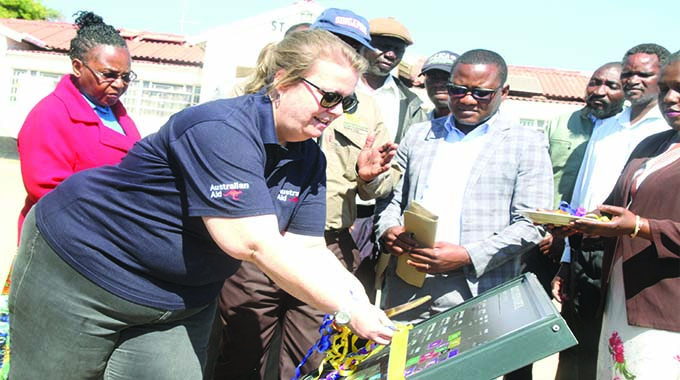
Trish Mukwazo, [email protected]
ST LUKE’S MISSION HOSPITAL has undergone a major transformation, thanks to a US$40,000 facelift funded by international NGO Sightsavers, aimed at making healthcare services more inclusive — particularly for persons with disabilities.
The refurbishment, supported through the Australian Embassy’s Direct Aid Programme (DAP), has not only enhanced the hospital’s infrastructure but also marked a significant step towards equitable access to health services in Matabeleland North.
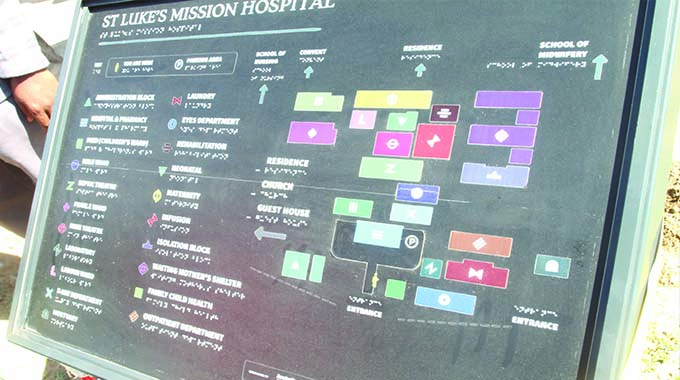
From accessible toilets and showers to tactile pictographic signage and a fire alarm system equipped with both visual and audible alerts, the renovations are designed to accommodate patients with diverse needs.
The hospital’s medical superintendent, Mr Nigel Kudakwashe, said the changes would improve accessibility — especially for persons with disabilities — while also enhancing overall safety and patient experience.
“The fire alarm system is particularly important, given a past incident where a ward was destroyed by fire. The new system will enable a swift response to any issues,” he said.
Mr Kudakwashe noted that the initiative was driven by a 2023 needs assessment conducted by the Ministry of Health and Child Care’s Matabeleland North Eye Unit, which identified various barriers preventing people with disabilities from accessing healthcare at the hospital. The renovations include accessible toilets and showers in both outpatient and inpatient departments, a fire alarm system with both visual and sound signals, designated parking bays for persons with disabilities, and a tactile pictographic map to help visually impaired patients navigate the facility.
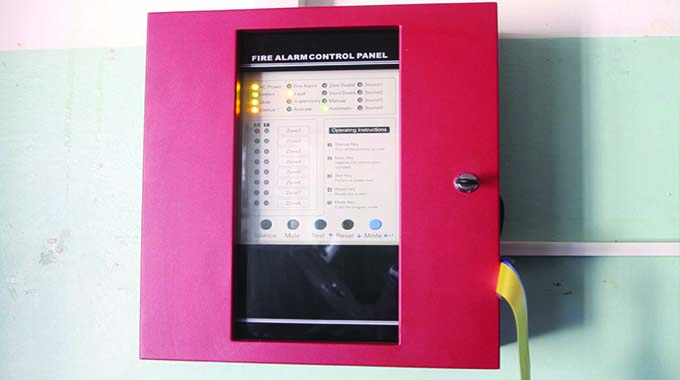
Mr Kudakwashe emphasised the importance of the newly installed fire alarm system, recalling a previous incident in which one of the wards was gutted by fire.
“Now, we are equipped to respond quickly to any emergency. This is a significant safety enhancement,” he said.
Sightsavers Zimbabwe’s country director, Mr Peter Bare, praised the partnership between his organisation, the Ministry of Health and Child Care, the Ministry of Local Government and Public Works and St Luke’s Hospital.
“To the Australian Embassy, we extend our heartfelt gratitude for the support that enabled us to contribute meaningfully to Zimbabwe’s progress towards the Sustainable Development Goals, particularly SDG 3 and SDG 10,” he said.
The grant is part of the Australian Embassy’s Direct Aid Programme (DAP), which supports local communities and non-governmental organisations working on projects that reduce poverty and promote sustainable development in developing countries.
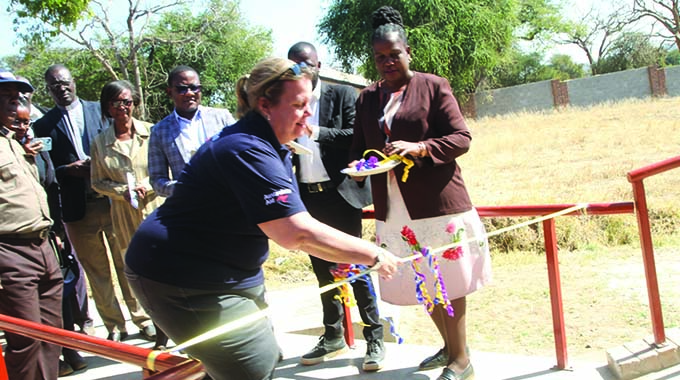
Mr Bare also acknowledged the Australian Embassy’s vital role in funding inclusive initiatives.
“Equity calls not just for a seat at the table, but for changes in our systems and processes so that people with disabilities can contribute meaningfully to the discussion,” he said.
Australian Embassy representative Ms Joana Hopkins said the embassy has supported seven disability equity projects in Zimbabwe, investing over US$200,000 in the past three years.
“We’ve worked in five provinces, including Matabeleland North, funding the procurement of therapeutic and assistive equipment to promote disability inclusion in education and healthcare,” she said.
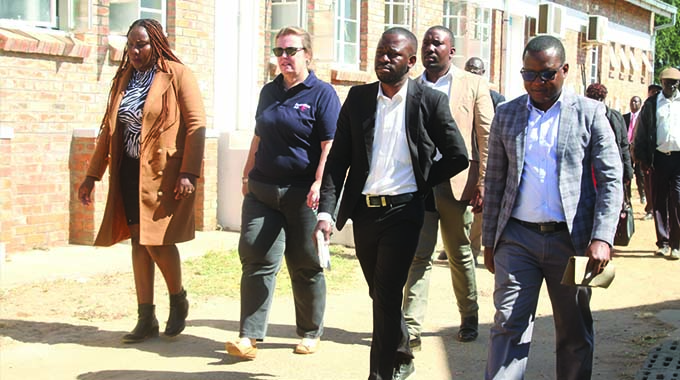
The projects have supported the procurement of therapeutic equipment to assist children with disabilities and their families, as well as disability assistive devices to facilitate the implementation of a disability-inclusive curriculum and promote the enrolment of students with disabilities at two local universities.
Matabeleland North provincial medical director, Dr Admire Kuretu, welcomed the hospital’s transformation and encouraged others to replicate the model.
“As a province, we are pleased to see the prioritisation of disability inclusion. The accessibility renovations carried out here at St Luke’s will go a long way in ensuring that persons with disabilities can access health services and enjoy an improved quality of life.
“St Luke’s Hospital will serve as a centre of excellence and a model for others to follow in adapting facilities for accessibility,” he said.