daniel chigunwe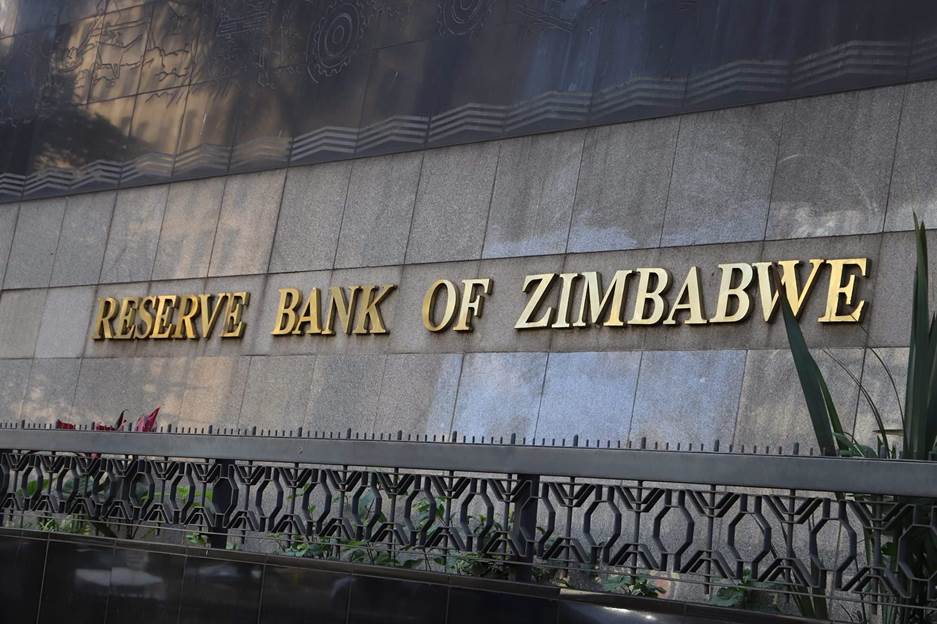
Michael Tome
BUSINESS players and economists have called for autonomy over the Central Bank operations in the country saying the move is critical in fostering confidence in the economy.
According to the commentators, an independent Central Bank is capable of reducing the risk of fiscal dominance, interference from politicians and the government.
The Reserve Bank of Zimbabwe (RBZ) has on countless times been censured for embarking on quasi-fiscal activities, which have mainly been in the form of infrastructure projects where millions of Zimbabwean dollars are alleged to have been pumped into the economy through payment of various contractors carrying out the constructions.
This is suspected to have caused the recent spate of exchange rate volatility as contractors are suspected to have dumped huge sums of fickle local currency on the parallel market leading to an unsustainable money supply in the economy.
Higher levels of money supply in an economy create an imbalance between aggregate demand and aggregate supply of goods and services which forces prices to keep rising.
Analysts have long been calling for fiscal discipline on the part of the government and the central bank mainly advocating for the abolishment of Quasi-fiscal Operations (QFOs), citing that all the spending by the government must be sustainable and budgeted for.
Further calling for Treasury to seek spending approval from Parliament so as to tighten spending.
Quasi-fiscal activities have significant implications on macroeconomic stability and the efficiency of resource allocation.
It contributes to inflationary pressures as well as distorting market signals.
Addressing participants at the recently held Zimbabwe Economic Society (ZES) forum Shingi Mutasa, a local businessman indicated that confidence and trust were at the core of the local currency management but confidence remained a pipedream in the local setup.
He said the central bank should be strong enough to counter the recurring turbulence in the macro economy, saying that some speculators thrive on such and “make money from the merry go round.”
“If we are going to achieve a sustainable currency we must have an independent Central Bank, it is something we must have immediately because as long as the Reserve Bank Zimbabwe (RBZ) is not independent, we are going to see this currency merry go round continuously.
“Building track record is the only thing that builds confidence, an independent central bank is critical for several reasons like long-term perspective, credibility, and trust,” said Mr Mutasa.
Central Bank independence refers to the ability of a Reserve Bank to make monetary policy decisions without interference from the government or political authorities.
It also helps to insulate monetary policy decisions from short-term political considerations and allows central banks to focus on their mandates of promoting price stability and sustainable economic growth.
Dr Ithiel Mavesere from the University of Zimbabwe Economics Department said the central bank needs no interference, especially from the treasury like what has been exhibited in the recent policy pronouncements where the treasury seemingly overrode central bank functions.
“There are times when you find that the responsibility of the monetary authority is taken over by treasury, we sometimes hear the treasury announcing policy measures so we wonder who then is in control.
“We then ask questions to say if the central bank is independent from political influence or it is operating under political influence and that leaves us with questions that we will not find answers to,” said Mavesere.
Labour and Economic Development Research Institute of Zimbabwe (LEDRIZ) economist, Dr Prosper Chitambara said, “The country needs robust monetary reforms, fiscal reforms and institutional reforms to anchor confidence in the local currency and economy.”
According to the commentators, while quasi-fiscal activities can be used as policy tools to address specific economic or social objectives, they also carry risks and potential negative effects.
Therefore, it is crucial for policymakers to carefully assess and manage these activities to ensure transparency, accountability, and the overall stability and efficiency of an economy.



 Online Reporter