Colletta Dube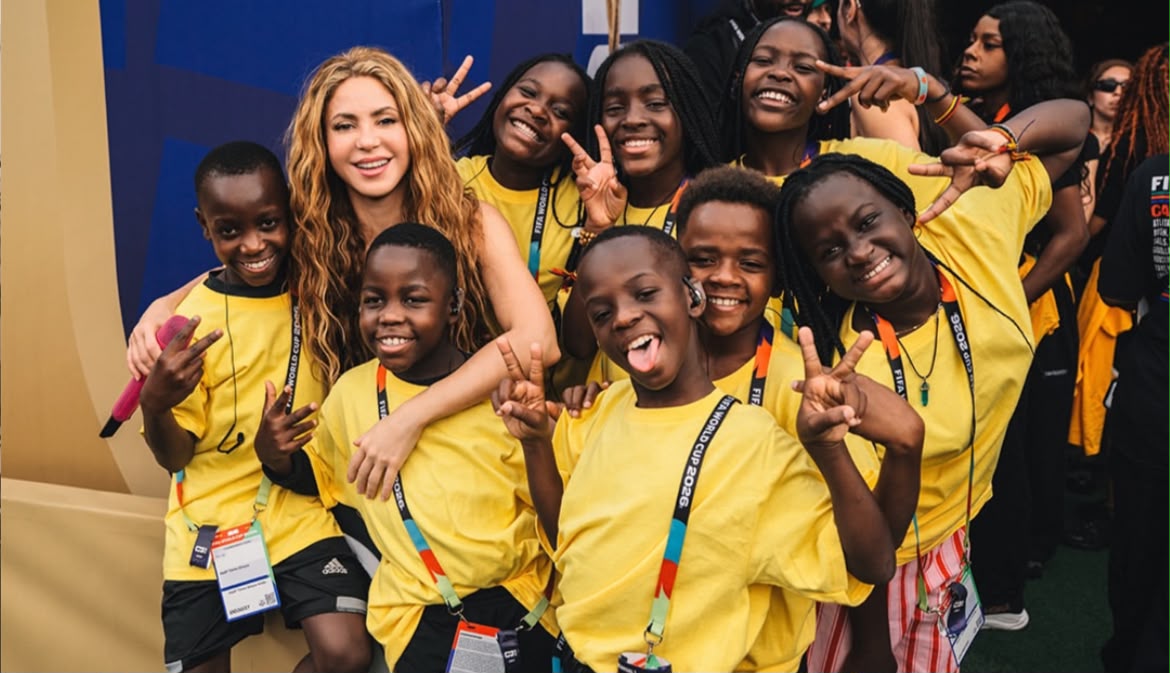
Gift Moyo [email protected]
THE Triplets Ghetto Kids’ appearance alongside Burna Boy and Shakira during the FIFA World Cup final halftime show on July 19 has ignited a global debate on whether artistes should perform at prestigious events for exposure rather than financial compensation.
The Ugandan dance troupe delivered a high-energy performance with Nigerian superstar Burna Boy and Colombian singer Shakira, earning praise from football and music fans worldwide.
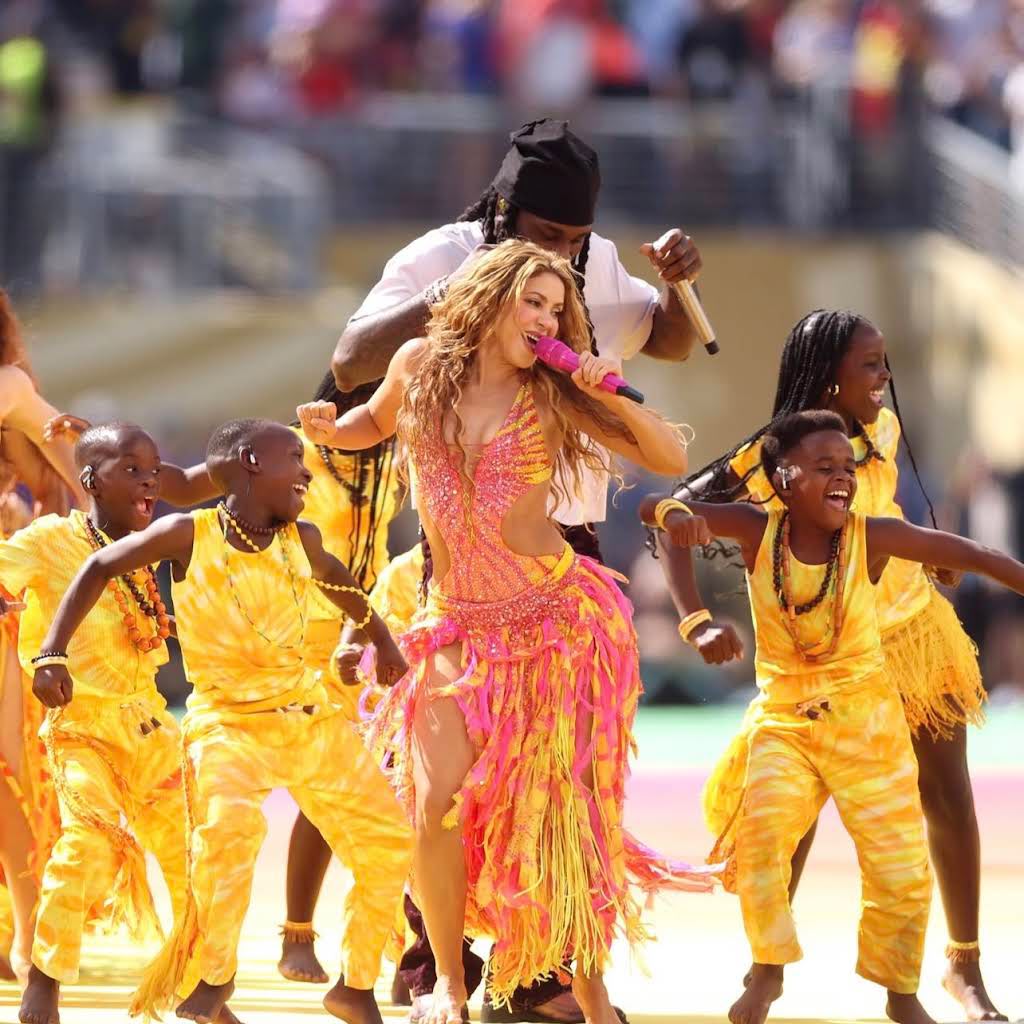
However, discussion quickly shifted after reports circulated on social media claiming that the group would not receive payment from FIFA because they were invited by Shakira to join her performance rather than being contracted directly by the tournament organisers.
The Triplets Ghetto Kids, whose members are raised and supported through a non-profit organisation that uses dance to create opportunities for disadvantaged children, drew widespread sympathy online. Many social media users argued that FIFA should have rewarded the group financially, regardless of the nature of the invitation, while others maintained that compensation would have been the responsibility of the act that invited them.
The conversation soon spread beyond Uganda, with Zimbabweans weighing in on whether local artistes would be willing to perform at a major international event without direct payment if the exposure could elevate their careers.
Celebrated Zimbabwean Afro-jazz and folk musician Edith WeUtonga, born Edith Katiji, said the value of performing on a globally recognised platform often extends far beyond an appearance fee.
“Which event or ceremony or award moves an artiste’s rating from just appearing there or being awarded? Because the platforms we are watching change an artiste’s life just like that. That’s why they clamour for those spots or don’t mind going there for ‘free’, but honestly it’s not free. The return on investment is enormous,” she said.
Her remarks resonated with many social media users, who argued that exposure on a globally recognised stage can generate long-term opportunities that outweigh immediate financial rewards.
Others, however, insisted that exposure should never replace fair compensation, particularly for emerging artistes and performers who rely on such appearances for their livelihoods.
Within the Zimbabwean context, events such as the Harare International Festival of the Arts (Hifa) and the National Arts Merit Awards (Nama) were cited by many as platforms whose prestige alone could persuade some artistes to perform without an appearance fee, given the visibility and career opportunities associated with the events.


 Online Reporter