admin
admin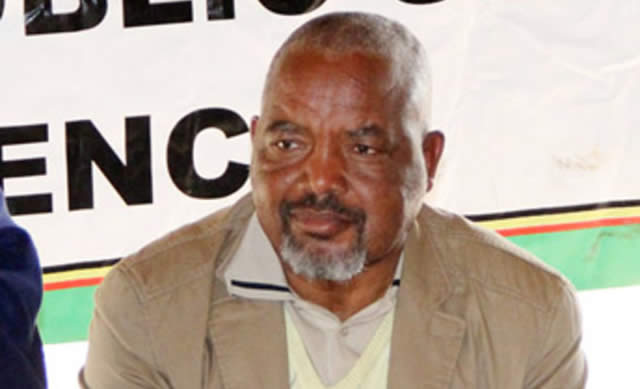
Nyemudzai Kakore Herald Correspondent
The newly amended Local Government Laws Act will abolish bottlenecks that existed in handling disciplinary cases of alleged corruption involving mayors, councillors and chairpersons of councils, Local Government, Public Works and National Housing Permanent Secretary Engineer George Mlilo has said.
Eng Mlilo recently said the Act, which was now operational, would reveal all the shenanigans existing by dealing directly with local authorities and culprits being brought to book.
“The Constitution is too broad and complex to follow and people misinterpret it the way they want. The Act makes it simple as everyone can understand and follow. We can now apply the Act much more appropriately compared to the Constitution,” he said.
“I believe all local authorities that were hiding behind the Constitution will have to change because now there is an Act that deals specifically with issues at hand and all the pending issues will be addressed by the ministry.
The amendment of the Local Government Laws Act allows for disciplinary procedures of mayors and councillors through the appointment of an independent tribunal.
Said Eng Mlilo: “The tribunal will be set as of when necessary. We don’t have a tribunal for all local authorities.
“We will deal with each case as it comes.”
According to Local Government, Public Works and National Housing Minister Saviour Kasukuwere, the legislation would cover all the 1 958 councillors in the 92 rural district councils.
Parliamentary Portfolio Committee on Local Government, Rural and Urban Development chairperson Cde Irene Zindi (Zanu-PF), who is Mutasa South MP, said laws were put in place as a deterrent to the current problems being obtained in local authorities.
“Laws are put in place in order to deal with a problem being experienced in society. For the Executive to come up with that piece of legislation, it is because of the calls being made by civil societies to address corruption taking place in local authorities. Land barons had been creating parallel structures to the existing ones.”
Town planner Mr Percy Toriro, who is also the Caledonia Management Committee chairperson, hailed the Act for dealing with leadership disciplinary issues.
He, however, said it did not have clauses to deal with other local government or land-based misdemeanours perpetrated by other parties such as land barons or mismanagement, abuse or theft of public amenities such as illegal water connections.
Mr Toriro said stakeholders should identify outstanding gaps and work with Government and Parliament to perfect the law.
The Act, according to Harare Residents Trust director Mr Precious Shumba, would increase pressure on underperforming councillors, who now risked being suspended or dismissed for their poor management of public resources.
He said this was possible as residents’ grievances would now be channelled through to the responsible officials so that action would be taken.
“There have been unresolved cases of public looting of council resources by irresponsible councillors. Abuse of power and authority would also be addressed.
“The amended law ignores the significant input of stakeholders and only targets councillors, mayors and chairpersons, ignoring the issue of citizen participation, the roles of officials and the handling of public resources by senior council management.”
Chitungwiza Residents Trust (CHITREST) director Mr Marvellous Khumalo said they would petition Parliament, engage in peaceful provincial protests, demand the devolution of powers, approach the Constitutional Court to challenge the Act as it was ultra-vires the Constitution.



 Online Reporter