
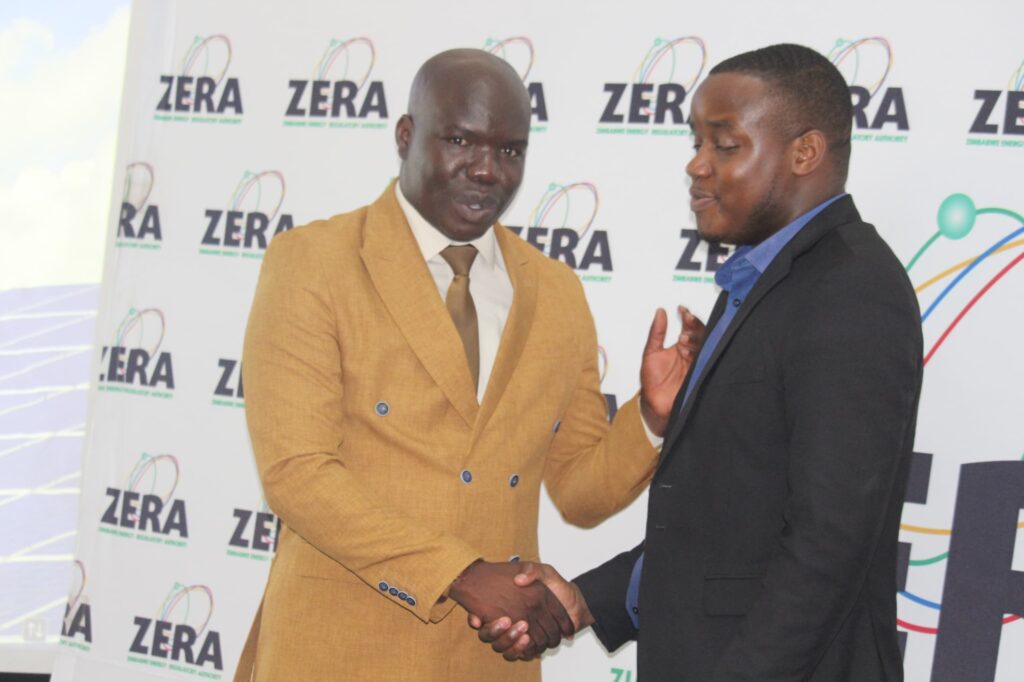
All has been set for a National Energy Compact workshop, where key deliberations will be held among stakeholders, including the Government, the private sector, and development partners in Harare today.
Energy and Power Development Minister July Moyo will be the guest speaker, while World Bank Zimbabwe Country Manager, Ms Eneida Fernandes, is also expected to deliver remarks.
Cabinet approved the National Energy Compact for Zimbabwe, a move that seeks to improve energy access.
The initiative forms part of the broader Dar es Salaam Declaration, which emerged from the Africa Heads of State Energy Summit held earlier this year.
The Energy Compact aligns with the ambitious Mission 300, which aims to ensure millions of African households get access to electricity by 2030.
Zimbabwe has committed to electrifying 3,1 million households and achieving 70 percent access to clean cooking solutions within the same timeframe.
Our Reporter, Blessings Chidhakwa, is covering the event and will provide live updates.
‘Private sector key to Zimbabwe’s energy transformation’
Zimbabwe’s drive towards a sustainable, reliable, and inclusive energy future places the private sector at the heart of its strategy, an official has said.
Speaking at the workshop, Permanent Secretary in the Ministry of Energy and Power Development, Dr Gloria Magombo said the Government is also playing its part.
Dr Magombo said as the Government undertakes bold reforms to modernise infrastructure and expand access to clean energy, private investment is essential to translating policy into tangible progress.
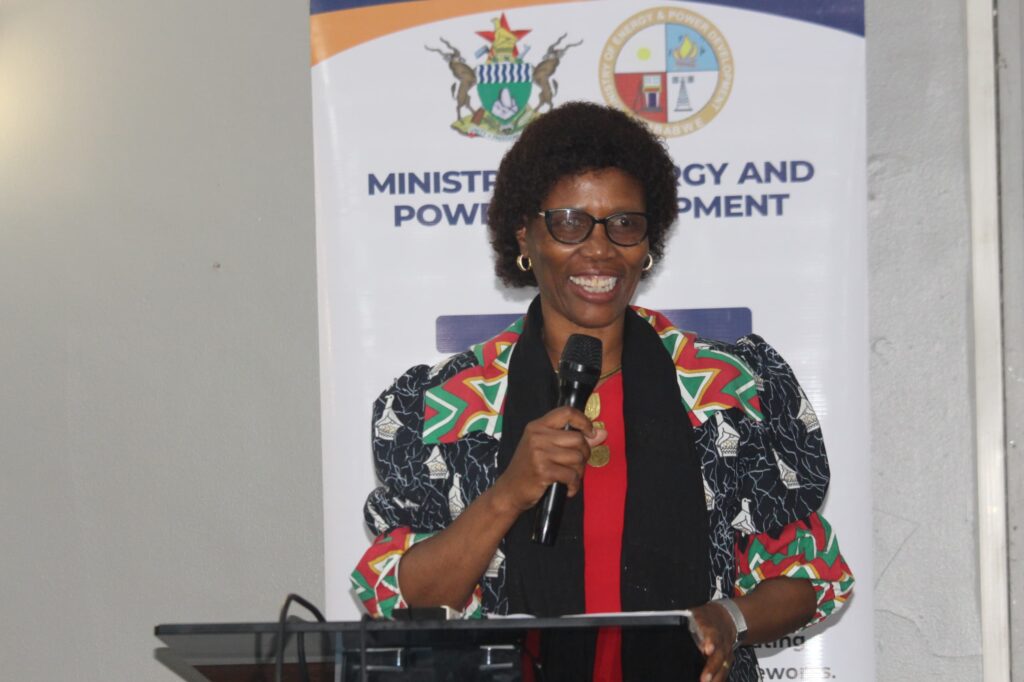
She said Government initiatives aim to enhance the environment to attract much-needed capital while addressing challenges around access, reliability, and sustainability.
These efforts include the modernisation of transmission and distribution networks, a growing commitment to renewable energy, and the roll-out of a new energy policy targeting more than double the current levels of energy efficiency.
“We recognise the importance of the private sector as a partner in the implementation of all these initiatives,” she said, underscoring the collaborative approach being pursued.
The proposed National Energy Compact represents Zimbabwe’s pledge to achieve universal access to clean and modern energy services by 2030, an ambition that cannot be realised without strong private sector participation.
With the right partnerships and investment climate, Zimbabwe is laying the foundation for a more resilient energy sector, one that not only powers growth but ensures long-term sustainability.
Zim pivotal in connection of 300 million households to electricity: World Bank
The World Bank has said Zimbabwe’s National Energy Compact will play a crucial role in connecting 300 million households to electricity by 2030.
Speaking at the workshop, World Bank Zimbabwe Country Manager, Ms Eneida Fernandes emphasised the importance of the energy compact for the region, given Zimbabwe’s strategic regional role.
“Zimbabwe is at the centre of everything happening in Southern Africa, and not having Zimbabwe as part of the energy compact would not have made it possible for our Mission 300,” she said.
Ms Fernandes said the session is part of the Mission 300 initiative, spearheaded by the African Development Bank and the World Bank, aiming to connect 300 million people in Sub-Saharan Africa to electricity by 2030.
She highlighted that energy access is essential for resilience and inclusive development, powering industry, supporting education, strengthening healthcare systems, and enhancing livelihoods.
National Energy Compact has President’s full backing: Energy Minister
The National Energy Compact (NEC), aimed at improving energy access, has President Mnangagwa’s full backing, as Zimbabwe remains committed to electrifying 3.1 million households by 2030, a Cabinet Minister said.
The NEC initiative forms part of the broader Dar es Salaam Declaration, which emerged from the Africa Heads of State Energy Summit held earlier this year.
Speaking at the workshop, Energy and Power Development Minister July Moyo said the issue was thoroughly debated in Cabinet.
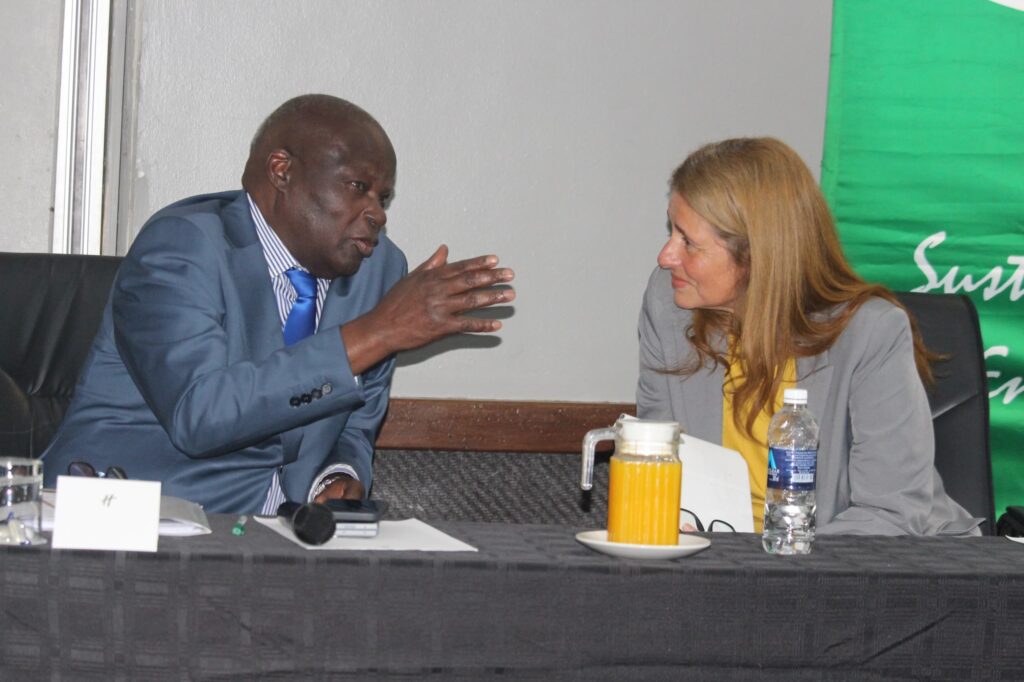
“When we took the first draft to Cabinet and I presented it, there was a lot of disquiet. The President asked for comments. When he started talking, it opened up the discussions,” he said.
Minister Moyo hailed the World Bank for the technical support being rendered on the National Energy Compact.
“So we enjoy the programming that comes from the World Bank. They might not give us money for loans, but they are doing programming with us.
“If we get a hold of our programming and conceptual thinking, then Zimbabwe can develop using the private sector and other sectors, both nationally and internationally,” he said.