Sidumisile Mabena
Theseus Shambare
WOMEN and youths have been urged to venture into fish farming to unlock opportunities in Zimbabwe’s growing aquaculture sector, amid revelations that they currently make up only about 30 percent of participants in fisheries and aquaculture activities.
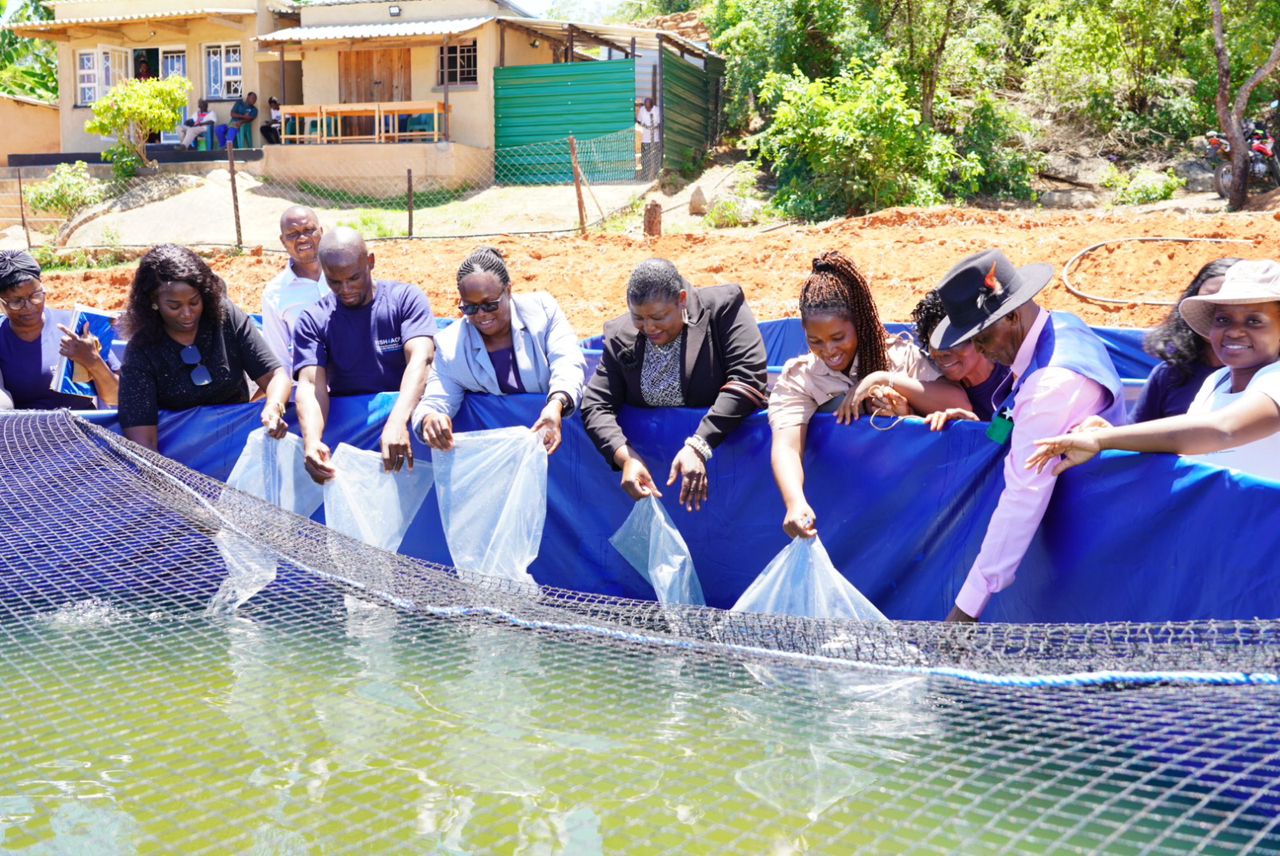
The call was made during the Inaugural National Fisheries and Aquaculture Symposium, a two-day event currently underway in Harare that has brought together policymakers, researchers, development partners and industry players to discuss the future of Zimbabwe’s fisheries sector.
Director of Livestock and Fisheries Production in the Ministry of Lands, Agriculture, Fisheries, Water and Rural Development Mr Milton Makumbe said aquaculture was emerging as a critical pillar in the country’s food security and rural development agenda.
He urged women and young people to take advantage of Government programmes supporting fish farming.
“Fish farming presents enormous opportunities for women and youths to generate income while contributing to national food security.
“With proper training, access to fingerlings and markets, communities can transform small ponds into viable enterprises that support livelihoods and local economies,” said Mr Makumbe.
Zimbabwe’s aquaculture sector has expanded in recent years through Government programmes and partnerships with development agencies, which are supporting fishpond construction, fingerling distribution and technical training for smallholder farmers.
Officials say expanding aquaculture is also important in reducing pressure on wild fisheries, which have been affected by climate variability, overfishing and declining water levels in some water bodies.
Zimbabwe Fish Producers Association chairperson Mr Garikai Munatsirei said findings from a recent aquaculture frame survey revealed that participation by women and youths remains relatively low.
“The survey shows that only around 30 percent of those involved in fisheries and aquaculture are women and youths.
“This means there is still a huge opportunity to bring more young people and women into the sector and help them benefit from fish farming,” said Mr Munatsirei.
He said aquaculture provides opportunities not only for fish production but also for value-addition activities such as fish processing, packaging and marketing.
“When communities are provided with knowledge, fingerlings and basic infrastructure, they can produce fish for household consumption and also generate income,” he said.
Zimbabwe has more than 10 000 dams and water bodies suitable for aquaculture, presenting significant untapped potential for fish production.
Meanwhile, development partners are supporting efforts to increase participation of women and youths in aquaculture value chains.
FISH4ACP programme project coordinator Mr Paul Mwera, said targeted initiatives are already empowering women through fish farming enterprises.
In Honde Valley, the programme has supported a women-led group involved in fingerling production and aquaculture value chain activities.
“The initiative in Honde Valley where we established a fingerling distribution hub is a clear demonstration that women can play a leading role in aquaculture development.
“Through training, technical support and access to inputs, women are now producing fingerlings and supporting fish farmers in surrounding communities,” said Mr Mwera.
Stakeholders at the symposium said increasing participation by women and youths will be key to unlocking the full potential of Zimbabwe’s fisheries and aquaculture sector while advancing food security, employment creation and inclusive economic growth.



 Online Reporter