


 malvernmugadzikwa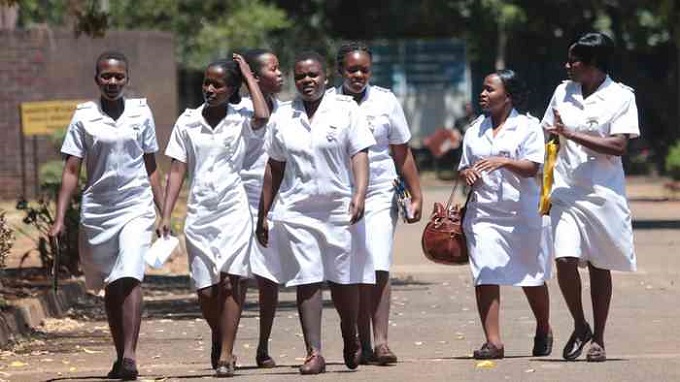
Your Money, Your Call
Cresencia Marjorie Chiremba
PERSONAL HYGIENE refers to the practice of maintaining cleanliness and promoting health.
This includes regular handwashing, oral care, bathing and wearing clean clothes.
Upholding personal hygiene is crucial, especially for employees who interact with the public daily.
It not only prevents the spread of diseases but also creates a positive impression and enhances customer satisfaction.
In last week’s article, I discussed the importance of personal hygiene for public transport conductors and drivers.
The response was overwhelming, with many agreeing that some locals generally struggle with cleanliness.
As we strive to improve our public image and health standards, it is crucial to address personal hygiene, especially in workplaces, among employees who interact with the public daily.
Personal hygiene is not just about appearance; it is a critical component of health and professionalism.
For employees who interact with the public, such as public transport crews, shop attendants, health professionals, teachers and any client-facing personnel, maintaining high hygiene standards is essential. It helps prevent the spread of diseases, create positive impressions and enhance customer satisfaction.
What can be done to improve personal hygiene in workplaces?
Employers should ensure workers have access to clean toilets, handwashing stations and personal hygiene products like soap, hand sanitisers and tissues.
For example, when my late father worked at the City of Harare, they had shower rooms for employees at their workshops.
Introduce uniforms to maintain a professional image. Uniforms should be clean, well-fitting and regularly laundered. Employers can provide laundry services or allowances to ensure uniforms are kept in good condition.
It is also important for managers and supervisors to lead by example.
When employees see their leaders maintaining high hygiene standards, they are more likely to follow suit.
How can employers address hygiene issues without offending employees?
Address hygiene issues privately to avoid embarrassment.
Use a compassionate and understanding tone. Highlight the positive aspects of maintaining good hygiene, such as improved health and customer satisfaction, rather than focusing on the negatives. Implement systems where customers and colleagues can provide anonymous feedback to identify issues without direct confrontation. Use posters, emails and team meetings to regularly remind employees about the importance of personal hygiene.
Consistent messaging can reinforce these practices.
As customers, we play a vital role in maintaining hygiene standards.
However, addressing hygiene issues directly with employees can be tricky.
If you feel comfortable, politely and discreetly mention the issue to the employee.
Avoid making a scene or using harsh language. If you feel direct confrontation is uncomfortable, provide feedback to management. Most businesses appreciate customer feedback and will take steps to address the issue.
Likewise, use feedback forms or online platforms to provide detailed feedback. By addressing personal hygiene, we can create healthier, more professional and pleasant workplaces and customer experiences.
Cresencia Marjorie Chiremba is a marketing consultant with a strong passion for customer service/experience. For comments, suggestions and training, she can be reached at: [email protected], +263712979461/0719978335/0772978335 or www.customersuccess.co.zw



 Online Reporter