Chronicle Editor
Raymond Jaravaza, [email protected]
DESPITE the Government’s announcement that the country is now cholera-free following a prolonged period of not recording new cases, health experts have said Bulawayo residents should remain vigilant against the deadly diarrhoeal illness that killed hundreds of people across the country and the region this year.
Last week, the Government declared that the country is now cholera-free as there have not been any new cases in more than 30 days.
The last case was last detected in Beitbridge on 30 June 2024. Zimbabwe recorded its first case of cholera in February 2023 and the epidemic spread to most parts of the country and was later declared a national outbreak.
“The Ministry of Health and Child Care would like to inform the nation that we have had 30 days without a single case of cholera in all our 63 districts and that the last case was on 30 June 2024 in Beitbridge.
“Therefore, we are now declaring the cholera outbreak, which started in February 2023, as officially ended. However, the public is encouraged to continue observing hygiene and sanitation at all times,” Information, Publicity and Broadcasting Services Minister, Dr Jenfan Muswere, said after last week’s Cabinet meeting.
Commenting, Mpilo clinical director Professor Solwayo Ngwenya, said residents must not throw good hygienic practices out of the window just because the country has been declared cholera-free.
“It was good for the Government to declare the country cholera-free as the country met the criteria for such infectious diseases.
“This will allow the Government to concentrate resources where they are most needed, such as focusing on other emerging global infectious diseases.
“However, we advise people not to relax but maintain vigilance as cholera and other water-borne diseases may return without warning, especially when the city is facing gigantic water shortages.
“Residents must continue to avoid drinking water from unsafe sources and must wash hands before meals,” said Prof. Ngwenya.
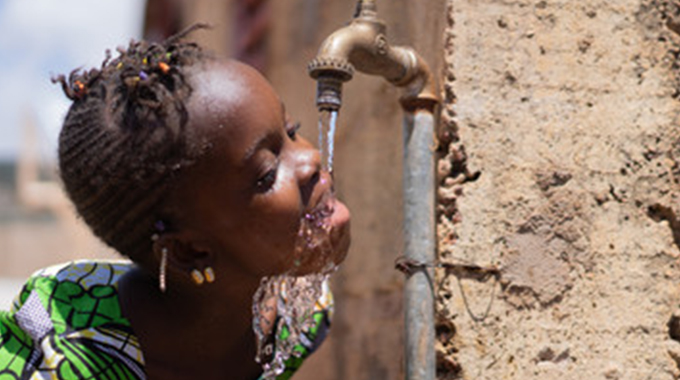
Cholera is an acute diarrhoeal illness that can spread rapidly in areas with poor sanitation and limited access to clean water.
It is primarily transmitted through the consumption of contaminated food or water, often due to water sources polluted by faecal matter containing the cholera bacteria.
The main symptom of cholera is profuse watery diarrhoea that can lead to rapid dehydration and electrolyte imbalance. Other symptoms may include vomiting, muscle cramps, and a rapid heart rate.
Bulawayo United Residents Association (Bura) chairman Mr Winos Dube called upon the Bulawayo City Council (BCC) to promptly react to burst water pipe and sewage blockages in order for the city to contain and maintain a zero tolerance to cholera.
“We have situations where residents report sewer blockages and the city council takes up to two weeks to fix the problem and that exposes the City of Bulawayo to cholera outbreaks,” he said.
“Our plea as residents is for the City Fathers to prioritise responding to sewer blockages early so that we keep the cholera outbreak at bay,” said Mr Dube.
While acknowledging the persistent water shortages that the city is currently facing owing to a prolonged El Nino-induced drought, Mr Dube called on residents to desist from fetching water from open sources such as wells and streams.
“In as much as the city is going through serious water rationing, we call upon residents to desist from fetching water from open water sources. Burst sewer can leak into those open sources and that can lead to the cholera pandemic resurfacing again,” he said.
Medical doctor Taurai Maunganidze said cholera should be treated as an ever looming threat because it spreads so rapidly, especially at a time when the country is facing acute water shortages.
The United Nations Children’s Fund has also pledged to support the Government in strengthening access to clean water and promotion of good hygiene practices to stop a resurgence of cholera.
“Unicef commends the Government of Zimbabwe for its leadership and decisive actions in responding to and ending the outbreak.
“As we celebrate the end of the epidemic, Unicef remains committed to supporting with its partners the Government in promoting access to clean water and good hygiene practices in communities,” said the agency.
“The cholera outbreak in Zimbabwe resulted in 34 550 cases and more than 700 confirmed or suspected deaths. After over 30 days without any new cholera case, the Government declared the outbreak officially over.”
Unicef said it applauds the effective Government-led inter-sectoral response, which included interventions in health, water, sanitation, hygiene, nutrition, education, child protection, and communication.
“We recognize the efforts of many national and international partners and the instrumental role played by communities and their leaders, including traditional leaders, in combating cholera. UNICEF also extends its gratitude to the donor community for their generous support of the Government’s response”.



 Online Reporter