Online Reporter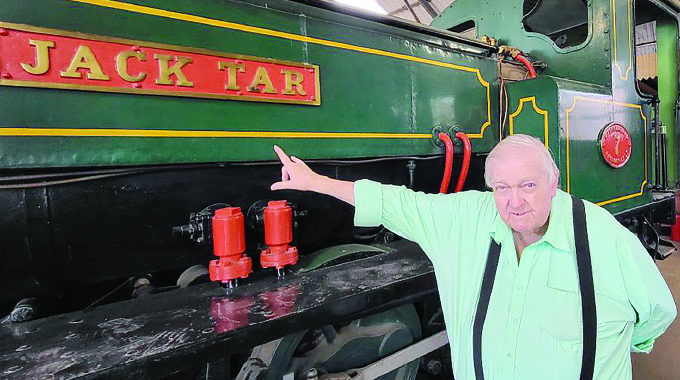
Mashudu Netsianda, [email protected]
ZIMBABWE possesses one of the richest railway heritages in Africa, with iconic steam locomotives whose nostalgic charm holds immense potential to transform the country’s tourism sector.
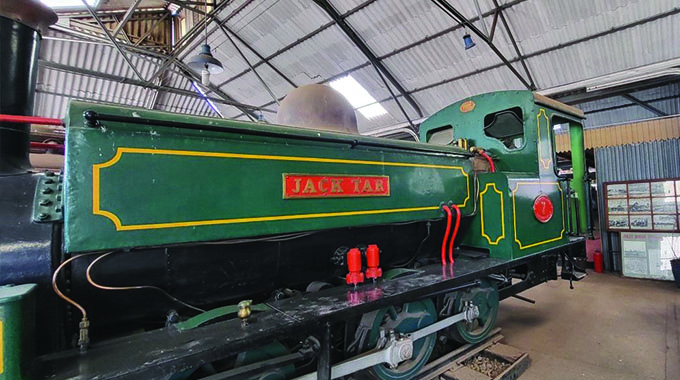
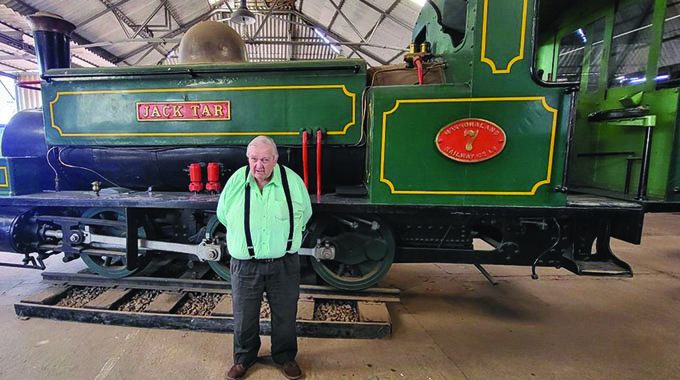
The nation’s rail legacy dates back to 1899, when the first steam locomotive, Jack Tar, chugged into what was then Southern Rhodesia.
From the hiss of piston-driven engines to gleaming brass dials, these locomotives are more than mechanical marvels — they are symbols of an era that connected communities, powered industries, and now offer a golden opportunity to revive railway tourism.
At the heart of this heritage lies the Bulawayo Railway Museum, established in 1972 within the grounds of the National Railways of Zimbabwe (NRZ) station.
The museum preserves over a century of history, spanning from the colonial era of Rhodesia to the present day. Its extensive collection includes meticulously preserved steam engines, passenger coaches, archival documents and station equipment — each telling a story of the nation’s industrial and social evolution.
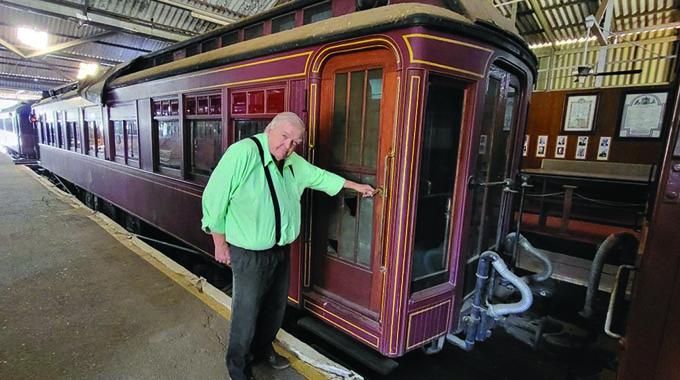
Among its most treasured exhibits is the personal railway coach of Cecil John Rhodes, which carried his remains from South Africa to Bulawayo in 1902, en route to his final resting place in the Matobo Hills. The coach remains in pristine condition.
Mr Gordon Murray, a long-serving curator at the Bulawayo Railway Museum, possesses deep knowledge and passion for Zimbabwe’s railways, which he has documented in two co-authored books. The first, Our Railway Heritage, offers comprehensive insights into the museum’s exhibits, cataloguing key historical locomotives, their mileage, and fascinating details about NRZ coaches and relics.
His second publication, Iron Spine and Ribs, co-authored with Rob Burrett and Robin Taylor, explores the broader history of the railway network in Zimbabwe and Zambia. Published in 2015, the book traces the foundational stages of the rail system and its strategic role in linking economies and communities.
Mr Murray’s narrative captures the moment Jack Tar first arrived in the country. Built by Manning, Wardle and Company of England in 1896, Jack Tar — alongside The Lawley, a narrow-gauge engine built in 1897 — is preserved at the museum. Mutare was the country’s first railway headquarters before operations moved to Bulawayo in 1910.
Zimbabwe’s railway legacy is a treasure trove of history, nostalgia and potential. Steam locomotives and railway museums offer a unique niche attraction — but are we doing enough to leverage this heritage to drive tourism growth? Dating back to 1897, when the Beira and Mashonaland Railway first puffed across the savannah, the country’s rail network evolved into a vital artery of economic activity and cultural exchange.
Bulawayo, home to the NRZ, has emerged as the beating heart of this network, housing one of the continent’s most extensive collections of operational steam locomotives. By the 20th century, Bulawayo had become the nerve centre of southern Africa’s rail systems.
Despite ageing infrastructure, Zimbabwe remains one of the few African countries still boasting a working steam fleet. This “sleeping giant” could offer unique, world-class tourism experiences to both local and international visitors.
Globally, steam train tourism is a thriving niche. Scotland’s Jacobite Steam Train — made famous by the Harry Potter films — generates millions of pounds annually, while South Africa’s Rovos Rail markets itself as “the most luxurious train in the world,” blending heritage with hospitality to attract high-end travellers. Why can’t Zimbabwe do the same?
Zimbabwe has attempted similar ventures, such as Rail Safaris, which once offered luxury journeys between Bulawayo and Victoria Falls, but most of these services have collapsed.
Today, apart from sporadic private charters like Bushtracks Africa, heritage rail tourism remains underutilised and inaccessible to many.
Yet the potential is undeniable. Zimbabwe’s Garratt locomotives — the largest articulated steam engines ever built — are world-famous.
NRZ sits on an untapped goldmine of heritage potential that, with investment and creative marketing, could rival the world’s best. There’s something truly magical about a steam train: the rhythmic chug, the billowing smoke, the clickety-clack of steel on steel — it’s cinematic, immersive and deeply nostalgic.
Imagine themed excursions from Bulawayo to Hwange National Park, or sunset journeys to Victoria Falls paired with fine dining and storytelling. Such experiences could not only revive interest in rail tourism but also spur employment, heritage conservation and community-based tourism. The now-defunct Rail Safaris once offered vintage carriages, fine dining and stunning views on journeys like Bulawayo–Victoria Falls before closing down at the turn of the millennium.
To harness this potential, Zimbabwe needs public-private partnerships to restore and operate heritage lines, an expanded NRZ tourism division with a dedicated marketing team, support from the Zimbabwe Tourism Authority (ZTA) to include rail tourism in national campaigns, collaboration with regional tourism boards and SADC partners, and the use of digital storytelling — including virtual tours, railway documentaries and social media storytelling, to name but a few.
Tourism is not only about scenery — it’s about storytelling. And few countries have a story as rich as Zimbabwe’s railway heritage. If we don’t act soon, we risk losing not just trains, but the tales they carry.
Encouragingly, NRZ is beginning to respond. For the upcoming 18th edition of the Sanganai/Hlanganani/Kumbanayi Tourism Expo, it has introduced a special Rail Leisure service between Harare and Mutare.
With a capacity of 243 passengers, the luxury train will allow exhibitors, buyers, media and the travelling public to experience premium rail travel during the country’s flagship tourism showcase.
This initiative is promising, but for Zimbabwe’s steam heritage to truly power tourism, the vision must extend beyond a single expo.
The country already has the tracks, the locomotives and the stories. What remains is to put them in motion.