Online Reporter
Judith Phiri [email protected]
BULAWAYO, long known as Zimbabwe’s industrial heartbeat, could be on the verge of a major revival. A bold plan to link the city with the country’s growing steel industry could transform
Bulawayo into a key manufacturing and export hub, creating jobs, boosting production and helping Zimbabwe supply steel products to markets across Southern and Eastern Africa.
The vision comes at a crucial time as Zimbabwe prepares to host the 25th COMESA Summit of Heads of State and Government from October 19 to 22. With industrialisation, trade and regional value chains expected to dominate discussions, the proposed steel corridor is emerging as one of the country’s most ambitious plans to grow local industry and strengthen its position within regional markets.
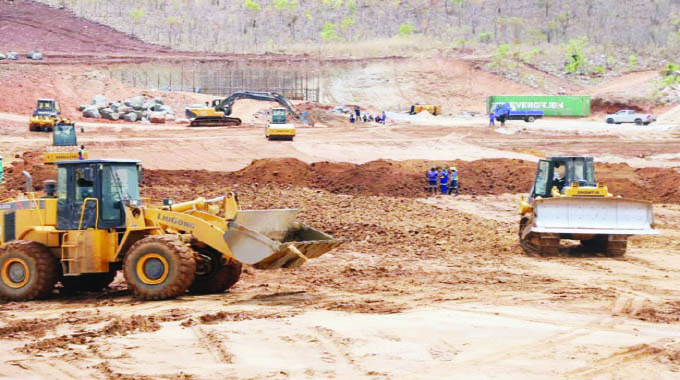
At the heart of the proposal is a manufacturing corridor connecting Dinson Iron and Steel Company (DISCO) at Manhize near Mvuma with Kwekwe and Bulawayo. The idea is simple but potentially transformative: steel produced at Manhize would be processed further in Zimbabwe rather than being exported in raw or semi-processed form.
If successful, the project could see Bulawayo’s factories, engineering firms and foundries producing everything from construction materials and industrial components to trailers, roofing products and other finished goods for regional export.
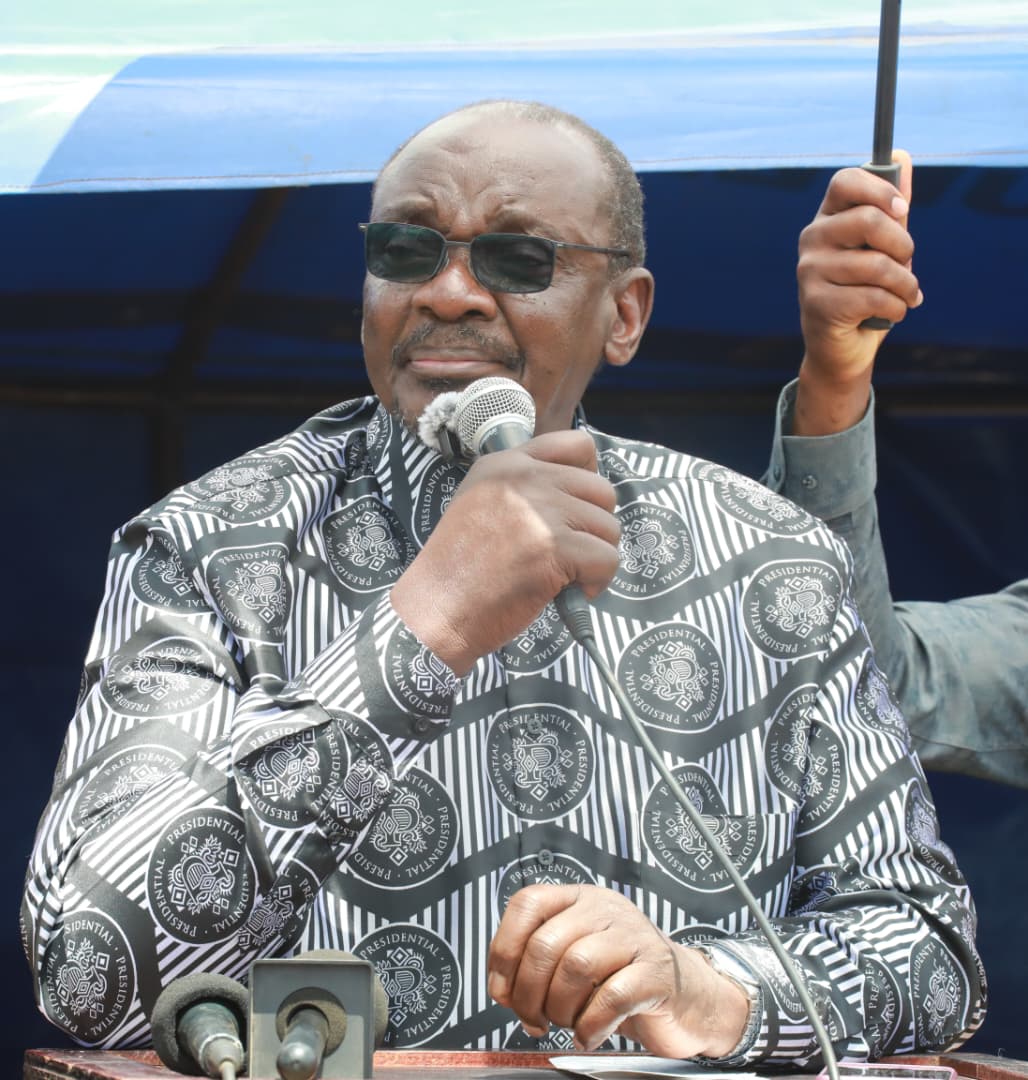
Speaking at the recent Bulawayo Investment Indaba, DISCO project manager Mr Wilfred Motsi, representing the company’s chief executive officer Mr Benson Xu, described Bulawayo as an essential part of the planned industrial network.
“We cannot do it alone as DISCO, but we also need partners so that at least we can produce so many products. This vision is about three cities to start with and one of the cities is Bulawayo where we are today. The other is Mvuma where we have Manhize and the other one is Kwekwe where we have Zisco Steel.”
Mr Motsi said the three centres would play different but complementary roles. Manhize would focus on primary steel production, while Kwekwe and Bulawayo would add value to the steel and manufacture finished products.
“For us to have mass production, we need steel billets, with the primary products. That primary product can be further sent to Zisco where they do value addition, but because we don’t have the facilities and factories, Bulawayo has the factory floor. So, what it means is that we do value addition and beneficiation in Bulawayo. This is the corridor, which we are saying can transform our economy and feed the entire SADC region,” he said.
For Bulawayo, a city that once stood at the centre of Zimbabwe’s industrial economy, the proposal offers the prospect of renewed growth. The city already possesses many of the ingredients needed for large-scale manufacturing, including industrial infrastructure, engineering expertise and a skilled workforce.
Mr Motsi believes those strengths make Bulawayo the most important link in the proposed value chain.
“We are saying, Bulawayo is not the missing link, it is the critical link for us.
“We already have the skill base as most engineering and foundry companies are here in Bulawayo and they do the value addition of the product, which we are purchasing,” he said.
Business leaders say the opportunities extend far beyond steel production itself.
Zimbabwe National Chamber of Commerce Matabeleland Chapter past vice-president Mr Louis Herbst said the arrival of large-scale steel production at Manhize creates a rare opportunity for Zimbabwean manufacturers to move further up the value chain.
“DISCO gives us the opportunity to move beyond simply producing steel and start manufacturing what the region actually needs. Bulawayo already has the industrial footprint, engineering skills, workshops, transport links and entrepreneurial capacity to become a major downstream manufacturing centre,” he said.
Mr Herbst said demand for steel-based products is growing across the region as countries invest heavily in construction, mining and infrastructure projects.
“We are seeing growing investment in housing, cluster developments, mining and infrastructure across the region, all of which require steel products, engineering components, roofing, structural products, furniture, trailers and a wide range of manufactured goods,” said Mr Herbst.
He added that the real economic gains would come from value addition rather than simply producing raw steel.
“The real opportunity is the multiplier effect as DISCO supplies the steel, Bulawayo converts it into higher-value products, and those products are exported into SADC and the wider COMESA market,” said Mr Herbst.
Industry experts share the same view.
Zimbabwe Institute of Foundries chief operations officer Mr Dosman Mangisi said Bulawayo’s location, industrial history and proximity to major regional markets place it in an ideal position to benefit from the proposed corridor.
“The city has got tracks of industrialisation where value addition was being done and closely sharing boundaries with the Midlands province, where a lot of raw materials come from. ZISCO’s plans to use Bulawayo as a steel corridor are positive moves that ignite economic growth in terms of value addition and beneficiation,” he said.
As Zimbabwe prepares to assume the COMESA chairmanship, supporters of the project believe the country has a unique opportunity not only to sell steel, but also to export finished products made from its own resources.
For Bulawayo, the plan represents more than just another industrial project. It offers the possibility of restoring the city’s reputation as Zimbabwe’s manufacturing capital while creating jobs, attracting investment and positioning it as a gateway to regional markets stretching from Southern Africa to the wider COMESA region.