admin
adminMatabeleland farmers who talked to Business Chronicle and preferred anonymity said the livestock sector was faced with a lot of challenges that needed to be addressed if the beef industry was to thrive and make any meaningful contribution to the country’s economic growth.
According to them, the poultry sector had been boosted while the livestock sector had recorded less growth because of high input costs.
“If Zimbabwe fails to stimulate its livestock industry, we will be forced to import beef from other sources, and this will work against the local industry because imports are not economically viable,” they said.
Due to high production costs of red meat, the costs of beef are still relatively higher and this has led to most consumers opting for white meat though they have gone down by a very small percentage.
“The livestock sector could greatly contribute to national growth and food security.
“The sector has huge potential for growth if the challenges facing the sector are addressed, we could even go into the export markets and this will help the country earn extra foreign exchange,” said one farmer.
In an interview, Deputy Minister of Agriculture Mechanisation and Irrigation Development Seiso Moyo said it was true that the livestock sector was under-producing which had resulted in the sector importing a lot of beef for the past few years.
“Yes, we have been importing beef for long now but that doesn’t guarantee that we will be importing beef for the next few years.
“In this year’s budget, $5 million was allocated to agriculture and part of that money will be used to help revive the agricultural sector as we are trying to work on increasing productivity,” he said.
He said the country’s production levels for livestock were very low as the 60 calves per year rate were difficult to maintain.
“We are 30 percent lower in terms of production but we are trying to come up with means to sustain the situation.
“We have reasonable levels though to sustain the local population the Cold Storage Company has been importing beef.”
Deputy Minister Moyo said private abattoirs were actually getting beef cattle locally mainly from rural farmers and they were doing great.
“The sector has a lot of potential though hindrances like high production costs and drought in areas that mainly specialise in cattle ranching is worrying.
“Farmers should come up with ways of supplementing the available resources for the sector to keep surviving and as a Government, we will keep helping farmers in any way we can because we know that agriculture is the backbone of our economy,” he said.


Online Reporter
- Chronicle , SundayNews
- July 31, 2026
- 11 views
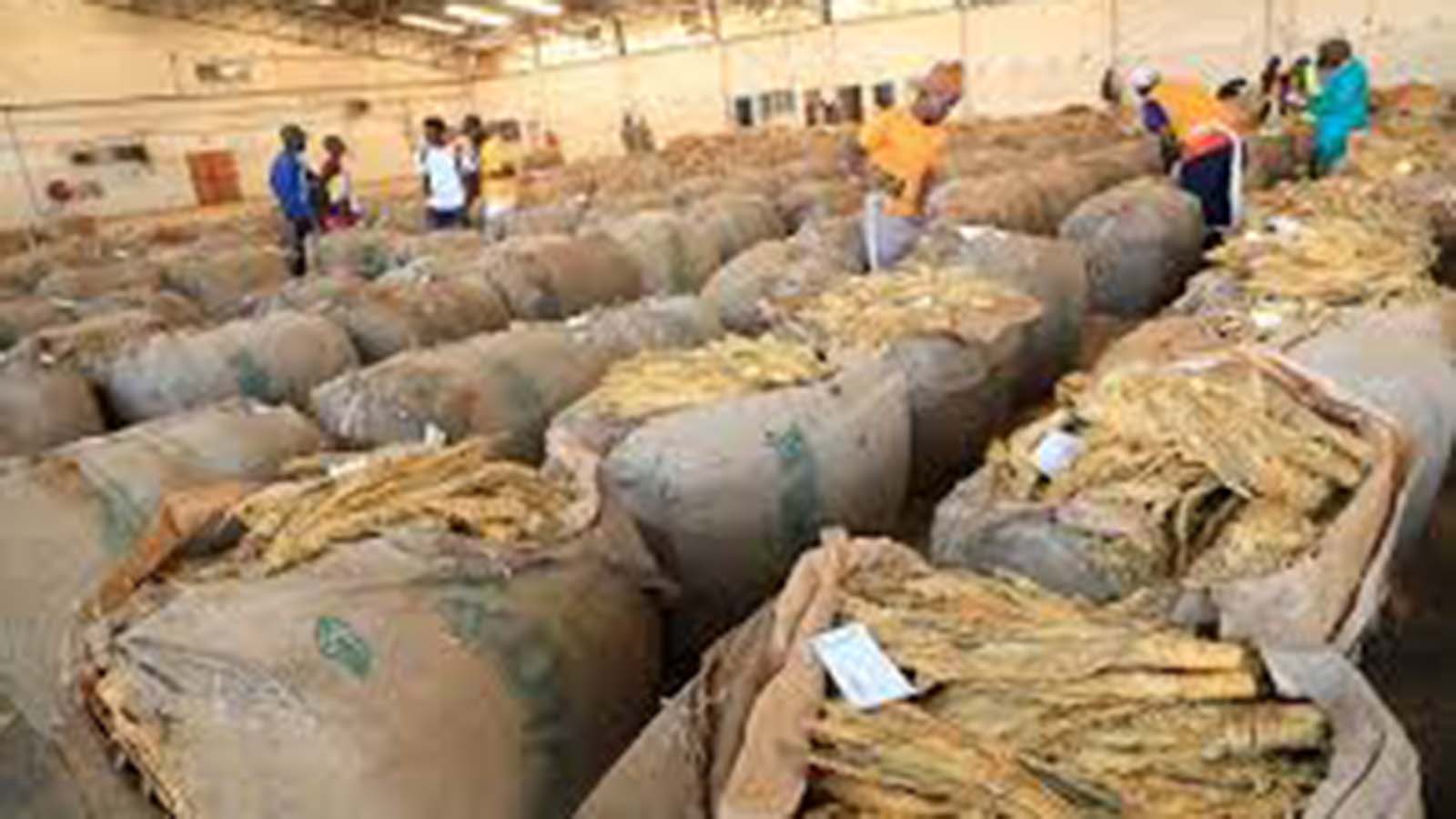
Zimbabwe records highest-ever tobacco deliveries as crop tops 356 million kg
Theseus Mauruki Shambare ZIMBABWE has recorded its highest-ever tobacco deliveries, with growers selling 356 207 775 kilogrammes during the 2026 marketing season, surpassing last year’s output and moving the country…