dyton mupawaenda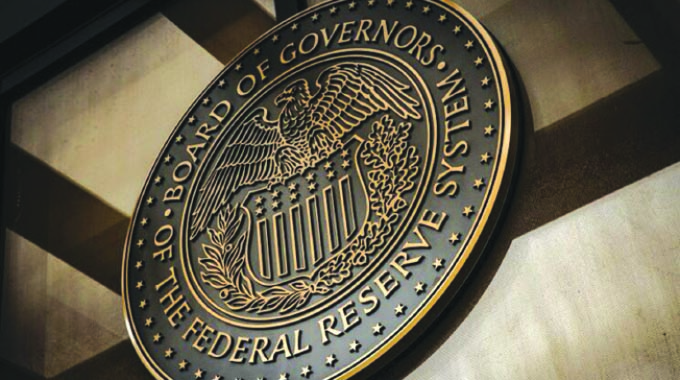
NEW YORK. — Stock futures pared losses and bond yields fell after the latest batch of economic data reinforced speculation the Federal Reserve will be able to cut rates this year.
S&P 500 contracts were little changed. Treasury 10-year yields dropped three basis points to 4,30 percent.
Recurring applications for US jobless benefits rose to the highest level since the end of 2021, a warning sign suggesting that it’s taking longer for unemployed people to find a job. Orders placed with factories for business equipment unexpectedly declined in May, indicating firms remain cautious about investment amid higher-for-longer borrowing costs and softer demand.
In a month when Nvidia Corp briefly became the world’s largest company, hedge funds were “aggressively” selling tech stocks, according to analysis from Goldman Sachs Group.
This month’s net selling in the US tech sector is on track to be the largest on record going back in data since 2017, according to Goldman’s prime brokerage data. The trimming of exposure by hedge funds is in sharp contrast to the record inflows seen into tech-related funds last week.
Investors got a taste of what a reckoning for Nvidia shares might look like when the chipmaker, seemingly out of the blue, plunged 13 percent over the span of just three days, erasing US$430 billion in market value.
The shares snapped back on Tuesday and after edging higher again on Wednesday, have recouped about half their losses from the selloff.
Nvidia shares fell Thursday after results from fellow chipmaker Micron Technology Inc.
To Chris Senyek at Wolfe Research, volatility will likely continue to pick up, and this will generally benefit the “Magnificent Seven” megacaps and the overall momentum trade in the weeks ahead.
“More specifically, we expect these themes to continue to benefit from an environment in which growth is slowing but the Fed is expected to kick off a deep cutting cycle,” he noted.
“Further, our sense is that the biggest companies driving these trends will once again put up very solid results during the second-quarter earnings season.”
The higher technology stocks go, the less tolerant one nook of Wall Street gets to any signs of weakness in the group.
Commodity trading advisors, or CTAs, that use trend-following strategies boosted exposure in Nasdaq 100 futures to such stretched levels that the so-called stop-loss triggers have become very tight, according to Bank of America Corp.
From where things stand, CTAs can start unwinding their positions if the gauge’s futures drop 2,8 percent or more. A month ago, the pain threshold hovered near 4 percent. – Bloomberg



 Online Reporter