admin
admin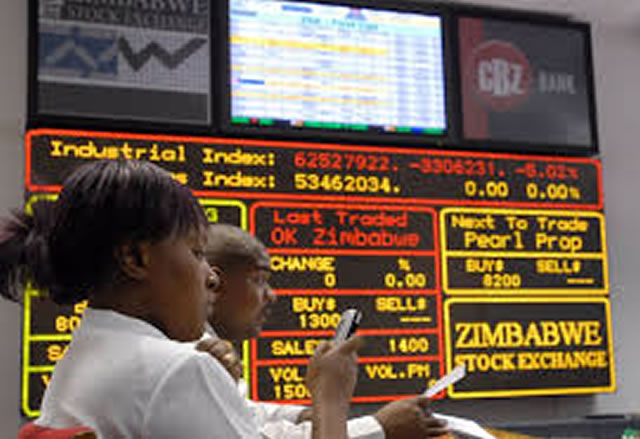
 Harare Bureau
SHARE prices on the Zimbabwe Stock Exchange will pick up once a new Cabinet has been named, Securities Commission of Zimbabwe chairperson Mrs Willia Bonyongwe has said.Mrs Bonyongwe said the downslide on the local bourse was not an extraordinary phenomenon peculiar to Zimbabwe, but a global trend after an election.
She said this at a press conference to announce SECZ’s nomination for an award at the Africa Investor Institutional Investment Summit set for New York on the 24th of this month.
The ZSE plunged 11 percent in its second trading session after the July 31 harmonised elections in what some analysts said signalled negative post election sentiment.
Other analysts were however of a different perception saying the sell-off was triggered by a desire to take profits after almost 40 percent gain since January this year.
Mrs Bonyongwe however believes the fact that the opposition MDC-T contested the election result claiming it was not free and fair, could have ruffled some investors.
The MDC-T has since withdrawn the case from the courts due to low prospects for success.
“When there is an election, people want to know what policies will come. The election result was contested. People want to know if it is Zanu PF (led Government), what is it going to do and if it is MDC what it is going to do,” she said.
Against this background, Mrs Bonyongwe said the turbulence on the stock market could continue until at least after President Mugabe has announced the incoming Cabinet.
The new Cabinet is expected soon, but only after swearing in today of Members of Parliament who triumphed in the harmonised elections resoundingly won by Zanu PF.
The SECZ chairperson said good times will roll again for the ZSE, one of the best performing stock exchanges in Africa in the first half of 2013, because there is value in Zimbabwe.
“There is value in Zimbabwe and our companies. Most low profits are due to low capacity. Once we have addressed liquidity most will increase their volumes and profits.”
Funding has been the single biggest constraint to economic recovery in Zimbabwe, although recovery growth topped levels in most of Africa between 2009 and 2011.
Zimbabwe’s economy grew at a blistering average rate of 7,1 percent since dollarization in 2009, but this is only depressed pace of its enormous potential hamstrung by a myriad of constraints including funding, power and raw material shortages.
Liquidity has been tight due to the decade of economic contraction largely caused by illegal Western sanctions, which was compounded by rampaging inflation.
SECZ however believes that stimulating agricultural production and productivity through availing adequate funding will also be key to boosting industrial viability through increased demand when production creates latitude for creation of new jobs.
Mrs Bonyongwe said there were strong linkages between agriculture, manufacturing and mining, with the latter the primary bedrock for recovery in the other two.



 Online Reporter