admin
admin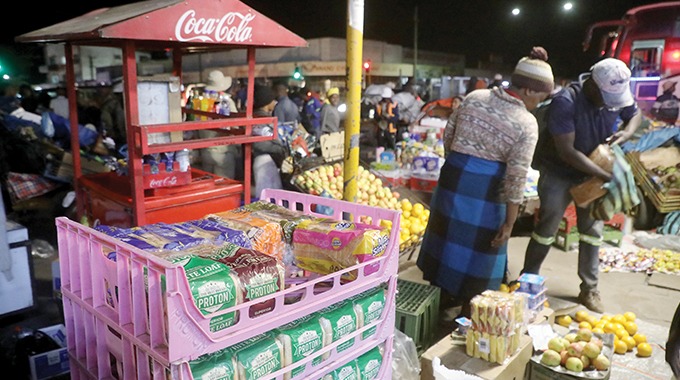
Tsenulo Moyo
WHEN you think of street food, perhaps the first image that comes to mind is vendors frying and selling sausages and chips. These vendors are a common sight on streets and in parking lots across Bulawayo.
But street food goes beyond that. It also includes mobile vendors offering enticing US Dollar deals. These vendors sell isitshwala/sadza, typically accompanied by a variety of relishes like beef, chicken, pork and offals. Rice is also part of the menu.
Additionally, you can find vendors selling treats like Cascades (ice creams), pies, hot dogs, roasted maize and carbonated drinks. The mushrooming of mobile food vendors has intensified competition for formal restaurants, despite their shared burden of taxes and wages.
In a bid to crack down on illegal trading, Bulawayo City Council (BCC) officials have stepped up patrols on the streets. This has forced mobile kitchen operators to device ways of avoiding arrest.
However, Bulawayo residents, many of them women, have embraced mobile food vending and backyard catering to make ends meet.
A quick survey in the city centre revealed them carrying plastic food containers, navigating the streets to attract customers in this competitive environment. The survey also shows that illegal vendors have taken over the city’s streets. Sthandekile Nkomo, a street food vendor from Phelandaba, is part of the growing wave of mobile food sellers in the city.
These vendors, pushing carts or driving cars with cooked rice, mealie-meal , meat and cabbage salad, are found in every corner of town and pose a significant challenge to established restaurants. Nkomo explained her reasons for joining the mobile food scene.
Last year, she decided staying at home was not the best way to provide for her children. However, she lacked the capital to start a formal and legalised business.“My biggest motivation to start this business was actually my love for cooking. I’ve always enjoyed preparing different meals and I take pride in offering delicious and affordable food options,” Nkomo explained.
Another street vendor who identified herself as MaDube said that she relies on street food vending to make ends meet. However, she also faces significant challenges from the City Council and the police. During raids, authorities confiscate her goods, even if she has paid the required fines.
“I prefer food from the streets regardless of the health risks they pose because it is much cheaper” said Mandlenkosi Moyo. The cheaper prices of street food vendors and their ability to deliver in town anywhere have also seen many restaurants lose customers.
A plate of rice/isitshwala with either chicken, pork, beef (and T bone) costs between US$1 and US$2. Coryn Ncube also said she prefers street food because she hates waiting in queues for restaurant food.
“These street vendors are a lifesaver. Before, I would have to close my vending stand and wait in the line to grab a bite, losing valuable customer time. Now, they come right to our area, so I can grab a delicious meal without leaving my stand,” she said.
However, a restaurant operator said illegal food vendors were bringing in unfair competition and killing their business.“We pay rentals, we also pay for electricity and water and we also pay salaries and other licences from council, yet these guys don’t have any operational costs.
They are killing an industry that employs hundreds of people in the city,” he said. In addition, the surge of street food vendors in Bulawayo has sparked controversy between vendors and the city council, with established restaurants feeling the competitive heat and resorting to price cuts.
BCC corporate communications manager, Nesisa Mpofu expressed concerns about public health risks, particularly regarding perishable foodstuffs like meat products and cooked meals sold by street vendors.
“Food safety is paramount. Proper handling, storage and preparation are essential to minimise the risk of food-borne illness. These practices can only be effectively implemented in premises that comply with public health by-laws,” explained Mpofu.
Mpofu acknowledged the council’s efforts in enforcing by-laws and raising public awareness. However, she stressed the importance of collaboration among all stakeholders to effectively address this issue.



 Online Reporter