Online Reporter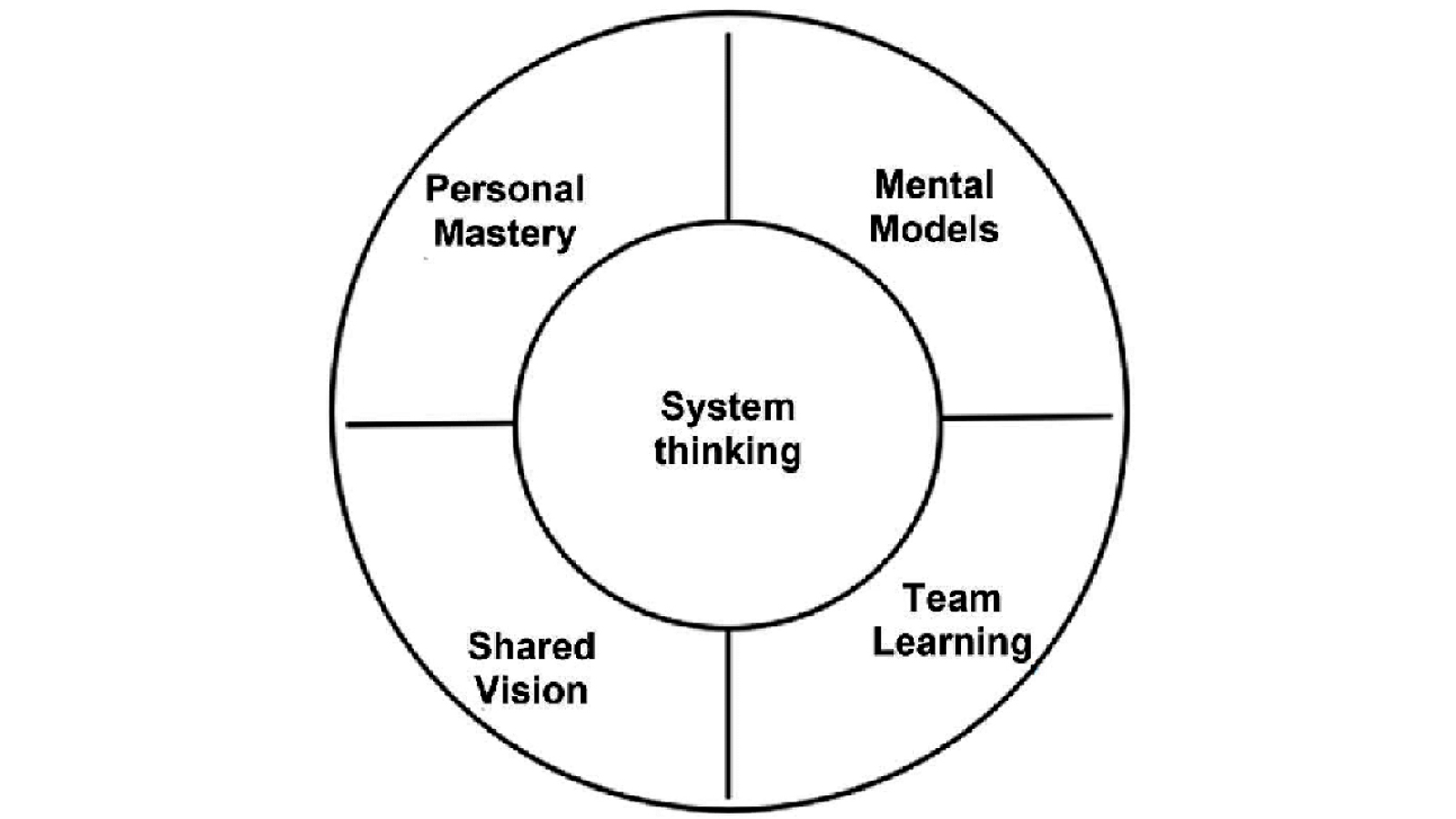
Hunt For Greatness
Milton Kamwendo
To be great, see the whole, not just the parts.
Strengthen your ability to see connections; to see the forest and not just the trees.
You cannot afford to think in straight lines and simple fixes. Great challenges have depth and connections.
Actions in one area create consequences elsewhere. Strengthen your systems intelligence for better understanding and robust solutions. Systems intelligence is the ability to see patterns, interconnections and the bigger picture.
To strengthen your systems thinking, move from reaction to reflection.
Move from silos to synergy. Shift from quick fixes to lasting solutions.
Systems thinking is thinking like an architect rather than a bricklayer.
Systems thinking is seeing how the parts fit, flow and function as a living whole.
Systems thinking defined
Systems thinking is a mindset. It is a way of understanding reality by looking at relationships, not just events.
It asks, “How do the parts connect and influence each other?” rather than “What is wrong with this single piece?”
The systems thinking concept grew out of the work of scholars such as Ludwig von Bertalanffy, who pioneered the General Systems Theory in the mid-20th century.
Peter Senge, through his book “The Fifth Discipline”, evangelised and brought systems thinking into the mainstream of organisational learning.
A system is any set of interrelated elements that work together towards a purpose.
Systems thinking helps you understand how these elements interact, as well as how changing one part can affect the whole. The whole is greater than its parts, when they are viewed individually.
Systems thinking value
We live in an age of complexity. Most challenges are not isolated; they are interconnected and systemic. You cannot fix one element in isolation and expect lasting change.
Systems thinking strengthens leadership effectiveness and promotes greatness.
It moves you from symptom-solving to structure-solving. You move from firefighting to redesigning the fire system. Systems thinking helps you anticipate unintended consequences.
You gain a stronger understanding of feedback loops. This is the way outcomes influence future behaviour. Design interventions that sustain results rather than create new problems.
Systems thinking elements
Interconnectedness
Everything is connected. No one is an island. No step or process stands alone. No system operates in isolation. A decision in one area ripples across the system. Great leaders think in terms of relationships, not just results.
Feedback loops
Systems are dynamic because outputs become inputs. Positive feedback amplifies change. Negative feedback stabilises the system. Ignoring feedback leads to blind spots. Understanding feedback and acting on it leads to balance.
Causality and delay
Causes and effects are not always close in time or space. The results you see today may stem from decisions and actions made long ago. Systems thinkers look beyond immediate causes to find root patterns
Leverage points
In every system, actions do not have the same weight of impact. Instead of trying to fix everything, systems thinkers identify leverage points. These are small, well-placed interventions that yield big results.
Mental models
Behind every system are shared beliefs, assumptions and narratives. Changing these mental models transforms the system itself. For example, shifting from “control and compliance” to “trust and empowerment” can revitalise an entire organisation
Wholeness
Systems thinking values the integrity and alignment of the whole. Optimisation of parts of the system can damage the whole. For instance, one department’s efficiency drive may harm overall customer experience if it does not consider the other departments within the service chain. True excellence balances local and wider system goals.
Whole systems approach
A whole systems approach means engaging all relevant perspectives to design solutions that endure. It is an approach that asks: Who is affected by this issue? What are the interconnections? What patterns repeat over time? What systemic barriers sustain the problem?
Where can we intervene most effectively? The whole systems approach values diversity, dialogue and collaboration.
It recognises that the wisdom of the whole often surpasses the intelligence of any single expert.
In practice, it means bringing people together across departments or disciplines to co-create solutions rather than working in silos.
Systems thinking leadership
Leadership without systems thinking is reactive. It is solving today’s problems while unknowingly creating tomorrow’s crises. Great leadership wears system lenses. Think beyond your function or title.
Connect today with tomorrow. Link long-term strategy with daily operations. Foster collaboration instead of competition. Balance structure with flexibility.
Systems thinkers ask better questions: What system am I part of? What forces shape this behaviour? How can we redesign the system, not just cure the symptoms?
When you adopt a systems lens, you become an architect of transformation rather than a manager of chaos.
Shifting to systems learning
Systems thinking replaces blame with curiosity. Instead of asking, “Who caused this mess?” it asks, “What in our system allowed this to happen?”
This mindset encourages accountability without accusation. It fosters a culture where mistakes become data and feedback becomes fuel for growth.
A systems mindset shifts energy from finger-pointing to continuous improvement. It nurtures humility. This is the recognition that no single individual ever holds the full picture.
Systems thinking
every day
Systems thinking is a life skill that is applicable to daily life and every great challenge.
Think systems, not just schedules. Go beyond individuals and look at the underlying systems, such as structures, incentives and shared values. The systems view reveals patterns.
Thinking in systems helps you stop fighting symptoms and start addressing structures.
Milton Kamwendo is a leading international transformational and motivational speaker and author of more than 10 books. He is a cutting-edge strategy, team-building and organisation development facilitator and consultant. His life purpose is to inspire and promote greatness. He can be reached at [email protected]/WhatsApp: +263772422634.