Online Reporter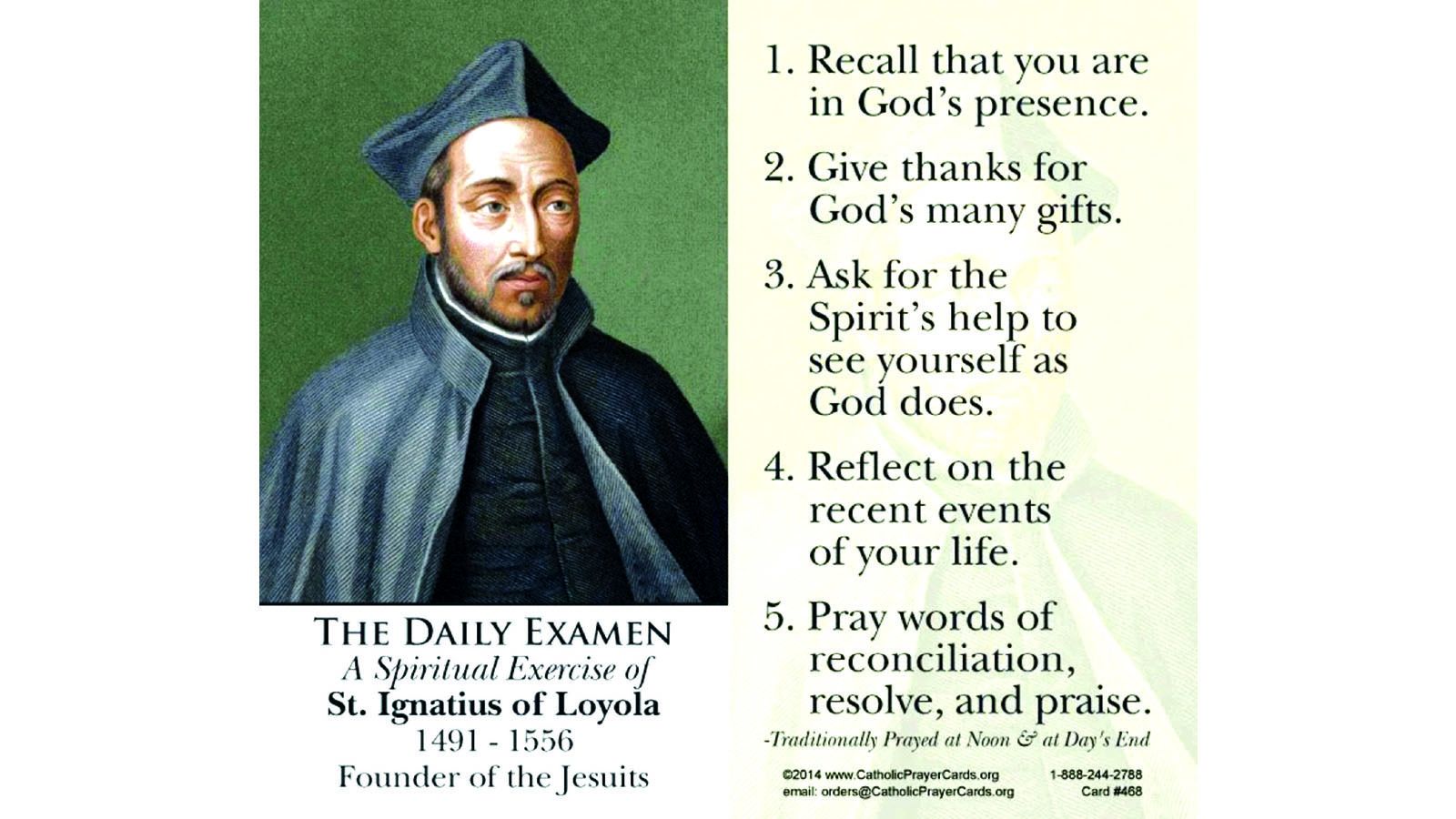
Hunt For Greatness
Milton Kamwendo
Reflection strengthens you. It is the engine of greatness and excellence.
Greatness is not only about making decisions and delivering results. It is also about cultivating deep self-awareness.
Greatness is the ability to look within, learn from experience and then act from a centred place. There is a global cry not just for more energetic people but more reflective individuals as well. One ancient and timeless practice that strengthens you from the inside out is called the examen. It is a simple but profound daily discipline of reflection, awareness and gratitude.
The examen was originally developed by St Ignatius of Loyola, the 16th century founder of the Catholic Jesuits. It is a spiritual exercise to help people become more conscious of their inner life and daily actions.
Though born in a spiritual context, the examen has universal application. Its core principle is a deliberate reflection to gain insight, alignment and growth. It is relevant to corporate executives, learners, entrepreneurs, civic leaders and priests. As a leader, you are constantly under pressure to move fast, deliver more, decide quickly and execute. The practice of the examen offers a window to slow down in order to speed up — to lead from clarity, not chaos.
Origins of the examen
“Examen” comes from the Latin word examinare, meaning “to weigh carefully” or “to assess”. St Ignatius developed it as part of his spiritual exercises. It is a method of training the mind and heart to become attentive, discerning and grateful. St Ignatius believed true growth came not merely from activity or ambition, but from reflection: from paying attention to your experiences, emotions and motives throughout the day. The examen was his way of helping people “find God in all things” by regularly reviewing where they were aligned or misaligned with their highest values and calling.
The original examen involved five simple movements:
Gratitude — Thankfulness for the day’s gifts.
Awareness — Reviewing the moments of the day.
Understanding — Reflecting on actions, choices and emotions.
Correction — Learning from mistakes and seeking growth.
Intention — Looking ahead to the next day with resolve.
While the early Jesuits practised this as a spiritual rhythm, its power extends beyond religion. It is a practice of mental clarity, emotional intelligence, disciplined awareness and leadership formation.
Examen as a greatness discipline
Strong leaders think deeply, not just quickly. Reflection strengthens decision-making. It builds emotional stability. It creates wisdom out of experience. The examen offers a practical framework for doing just that.
Each day is full of choices, meetings, reactions and results. Without deliberate reflection, those experiences blur into busyness. The examen transforms those scattered moments into insights. It helps you connect the dots between intention and impact. It turns experience into wisdom. Imagine ending each day by taking 10 minutes to review not just what you did, but how you led. Reflect on your tone in meetings, your responses to pressure, your treatment of others and your management of self. That pause is where maturity is born.
Reflection turns experience into insight and insight into improvement. Improvement compounds into growth and maturity.
Greatness examen steps
Here is how you can adapt the classic examen into a powerful reflective habit:
Step 1: Gratitude
Begin by reviewing your day with gratitude. What went well? Who supported you? What small wins, conversations or moments gave meaning to your day?
Gratitude grounds leadership in appreciation, not anxiety. It shifts the focus from what went wrong to what is working. When you start from gratitude, you radiate calm, optimism and perspective.
Step 2: Awareness
Scan through your day as if it were a movie. Where did you show up as your best self? When did you lose focus or patience? What emotions surfaced during key interactions?
Awareness helps you identify behavioural patterns. You mark moments when ego took over, or when empathy led the way. It is not about judgement but observation.
Step 3: Understanding
Ask: What drove my choices today? Was I motivated by fear or purpose? Was I reactive or intentional?
Strong leaders understand what they do and why they do it. This step deepens emotional intelligence—the ability to recognise your inner drivers and align them with your values.
Step 4: Correction
Here, you learn without self-blame. Note where you fell short, made a poor decision or missed an opportunity to listen better. The goal is not perfection but improving daily and growing.
Therefore, you ask: What will I do differently tomorrow?
Convert reflection into correction. The point is not guilt but growth. Continuous improvement is built on honest self-evaluation.
Step 5: Intention
End your reflection by setting clear intentions for the next day. How will you show up differently? What mindset will you carry into tomorrow’s meetings or challenges?
Intentionality gives direction to your energy. You stop drifting and start designing your leadership day by day.
This is the examen. Ten minutes, five questions, yet the cumulative impact over weeks and months is transformative. Daily changes compound into greatness.
Reflective people are stronger
In an era of constant noise, being reflective gives you a distinct advantage. You are less reactive, more self-aware and more emotionally grounded. You lead with composure, not confusion. Reflection strengthens you. It gives you clarity. You make better decisions because you are guided by awareness, not impulse.
Reflection gives you the gift of consistency. You develop a stable leadership presence because you learn from your own patterns.
Reflection gives you the advantage of empathy. It helps you see beyond yourself. It helps you understand the feelings and needs of those you interact and work with. It shapes and sharpens you.
Milton Kamwendo is a leading international transformational and motivational speaker, and author of more than 10 books. He is a cutting-edge strategy, team-building and organisation development facilitator and consultant. His life purpose is to inspire and promote greatness. He can be reached at: [email protected], WhatsApp: +263772422634.
Reflection strengthens your resilience. Reviewing each day builds perspective. You learn to recover quickly from mistakes instead of being haunted by them.
Reflection clarifies your purpose. The daily review keeps your vision aligned with your values. You stop chasing noise and focus on what matters most. Reflection keeps you grounded and makes you a humble student of greatness. When you reflect daily, you multiply your learning rate. You gain not just more experience but better experience.
How to begin the examen
You do not need silence or seclusion to start. All you need is intention. Choose a regular time that works for your schedule. Switch off your phone. Take a deep breath, then ask yourself the five questions of the greatness examen:
What am I grateful for today?
Where did I live or lead well?
Where did I miss the mark?
What lesson do I take forward?
How will I show up tomorrow?
Capture your reflections in a journal. Over time, you will see patterns: recurring strengths to celebrate and blind spots to address.
Greatness from the inside out
Greatness is an inside job. The examen helps you operate from awareness rather than autopilot. It sharpens intuition, deepens empathy and anchors confidence.
Each day, life gives feedback. The examen ensures you listen. It turns your day into a classroom and your experiences into teachers. When you strengthen your reflective practice, you strengthen your greatness muscles — the inner ones that sustain integrity, insight and influence.
The mirror that strengthens
Greatness does not mean you never stumble. Instead, you learn quickly because you reflect deeply. The examen is a mirror that does not flatter or condemn. It clarifies.
The examen is a superpower. Review, learn and adjust. Reflection is not retreat. It is refinement. Greatness grows in the quiet space between experience and insight. That space is called reflection. The examen is its timeless tool. Great people are not those who know everything. It is those who notice everything and learn daily.
Committed to your greatness.
* Milton Kamwendo is a leading international transformational and motivational speaker, and author of more than 10 books. He is a cutting-edge strategy, team-building and organisation development facilitator and consultant. His life purpose is to inspire and promote greatness. He can be reached at: [email protected], WhatsApp: +263772422634.