Online Reporter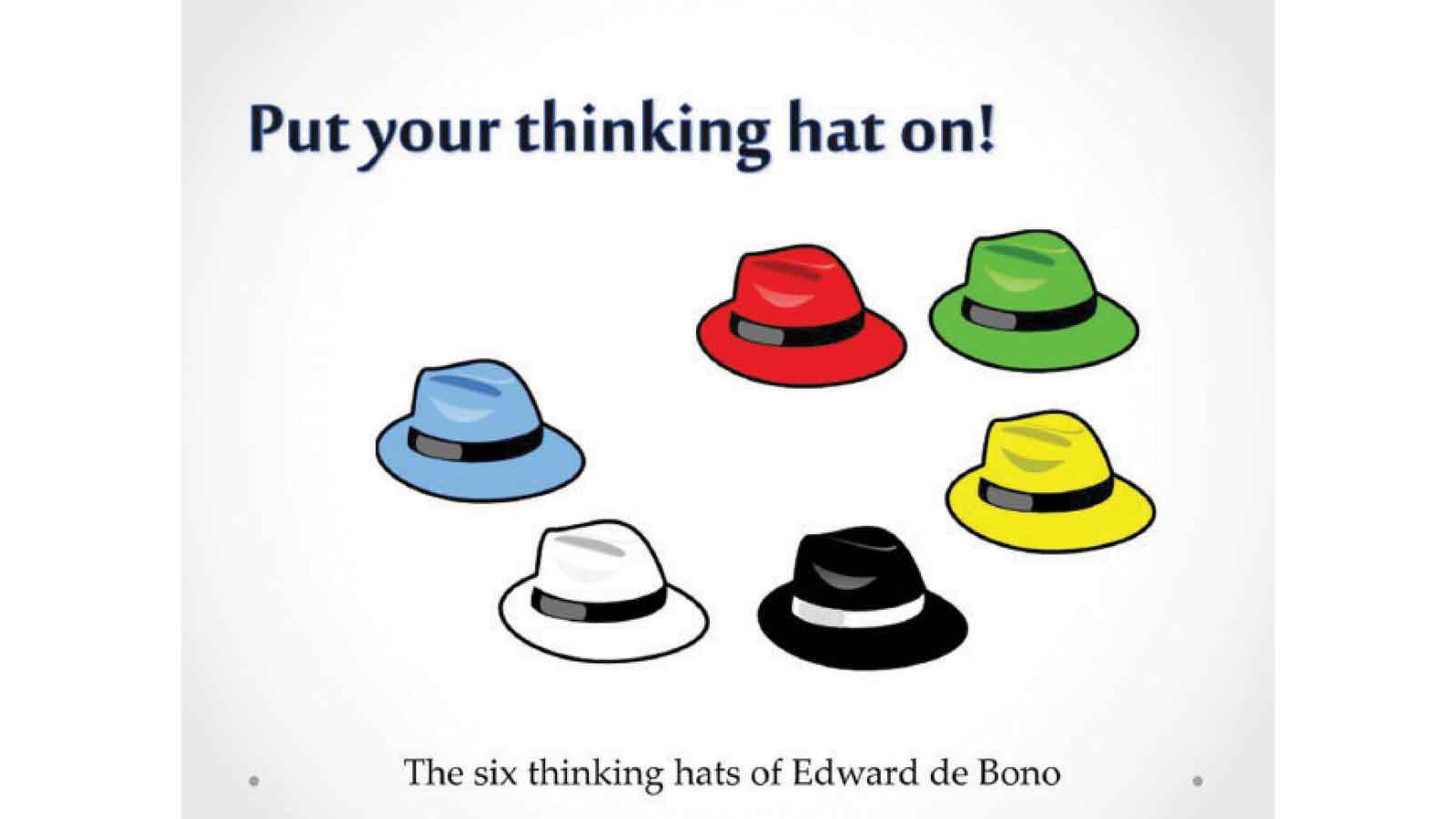
Hunt For Greatness
Milton Kamwendo
The hat you wear makes a difference. The way you think differentiates you.
Edward de Bono once said: “Thinking is the ultimate human resource.”
Make it your priority to strengthen your thinking hats. When you learn to think in multiple ways, you unlock possibilities. Think better to lead better.
The quality of your life is shaped by the quality of your thinking.
Every decision you make, every opportunity you pursue, every challenge you face — all are filtered through how you think.
Do not dare to approach thinking casually. Stop merely reacting to situations. Deliberately choose how you think. You need thinking gears that give your thinking a structure.
Great thinkers are intentional. They recognise that different situations require different kinds of thinking. They learn to switch mental modes. This allows them to examine issues from multiple angles before acting. This is the essence of strengthening your thinking hats.
The concept was inspired by Bono’s concept of the six thinking hats.
This approach invites us to think with structure, clarity and balance. It allows us to move beyond confusion, bias and emotional reactivity. It moves our thinking towards thoughtful, effective decision-making.
Strengthening your thinking hats is strengthening your ability to see clearly with structure to act wisely.
Thinking structure
Most people think in a mixed and often chaotic way.Facts get mixed with emotions. Optimism clashes with fear. Creativity competes with criticism.
As a result, decisions become unclear, discussions become unproductive and progress slows.Structured thinking separates these modes. It allows you to focus on one type or mode of thinking at a time.
When thinking becomes organised, clarity improves. When clarity improves, decisions strengthen.
Six thinking hats
Bono introduced the six “thinking hats” thinking framework.
Each “hat” represents a different way of thinking.
Strengthening your thinking hats means learning to use each one deliberately.
1. The white hat — facts and information
This is the hat of objectivity. When wearing the white hat, you ask: What do we know? What are the facts?
What data is available? What is missing? This thinking mode prevents assumptions and ensures decisions are grounded in reality. Strong thinkers begin with facts. Just knowing the facts is sobering.
2. The red hat — emotions and intuition
This is the hat of feelings. It allows you to ask: How do I feel about this? What is my instinct? What emotional reactions are present?
Ignoring emotions can lead to hidden resistance. Acknowledging them creates empathy and awareness. Strong thinkers recognise that emotions influence decisions.
They then manage them consciously, without trivialising them.
3. The black hat — caution and risk
This is the hat of critical judgement. The black hat thinking asks: What could go wrong? What are the risks? What are the weaknesses?
This thinking prevents costly mistakes and protects against blind optimism. It allows you to face brutal realities. Strong thinkers test ideas before committing to them.
4. The yellow hat — optimism and opportunity
This is the hat of positive thinking and hopeful outcomes. The yellow hat asks: What are the benefits? What could go right? What opportunities exist?
This is the hat of positive possibilities.
The yellow hat thinking mode encourages hope, motivation and possibility.
Strong thinkers balance caution with optimism.
5. The green hat — creativity and innovation
This is the hat of new ideas. The green hat thinking asks: What are alternative solutions? What new approaches can we try? How can we think differently?
The green mode drives innovation and problem-solving. Strong thinkers create options before choosing.
6. The blue hat — control and direction
The blue hat thinking gear is thinking about the thinking. It asks: What is the process? What are we trying to achieve?
What thinking is needed now?
The blue hat organises the thinking process. It ensures focus and discipline. Strong thinkers manage how they think, not just what they think.
Switching hats
One of the greatest strengths of this framework is flexibility. It prevents you from being trapped in one thinking mode.
You escape the trap of being overly critical, overly emotional or overly optimistic. This framework is like gear-shifting in a vehicle. It allows you to shift deliberately.
By switching thinking hats, you can look at the facts first. Then shift to consider risks. You can move to explore possibilities. This gives personal and group thinking a structure.
It prevents confusion and reduces conflict. When people think in the same direction at the same time, discussions become productive.
Decision-making
Many poor decisions result from incomplete thinking. Ignoring risks leads to failure. Ignoring opportunities leads to missed potential. Ignoring facts leads to poor judgement. Ignoring emotions leads to resistance.
Using all six thinking hats ensures balanced thinking. Strong decisions come from seeing the full picture.
Hats leaders wear
Leaders constantly make decisions under pressure. Strengthening your thinking hats helps you analyse situations clearly.
You communicate effectively. It facilitates better team discussions. You solve problems creatively.
This approach improves meetings and their outcomes. Instead of chaotic debates, teams can structure discussions using the thinking hats as a framework.
You could start with facts, then explore risks, identify opportunities and generate ideas. Once this is done, you decide on the next steps. Clarity replaces confusion.
Life hack
The six thinking hats approach can be applied personally. When facing a decision, ask: What are the facts? (white), How do I feel? (red), What could go wrong? (black), What could go right? (yellow), What are my options? (green), What is my next step? (blue). This simple structure improves clarity and confidence.
Thinking traps
Thinking directs destinies. Thinking traps could be serious snares and limitations.
Common thinking traps include: overthinking risks, ignoring data, acting purely on emotion and rejecting new ideas. Strengthening your thinking hats helps you avoid these extremes. It ensures that no single perspective dominates your decisions. Balanced thinking leads to better outcomes.
Reaction to deliberation
Reactive thinking is fast but often flawed. Deliberate thinking is slower but more effective. Thinking hats shift you from reaction to intention. Instead of being overwhelmed, you become structured. Instead of being biased, you become balanced.
Think with intention
Your thinking determines your direction. Strengthen your thinking hats by developing mental discipline, clarity and versatility.
Approach challenges with structure rather than confusion. Face decisions with balance rather than bias.
Choose how you think. Switch perspectives intentionally. See the full picture before acting. Better thinking leads to better decisions. Better decisions build greatness.
Milton Kamwendo is a leading international transformational and motivational speaker, author and accomplished workshop facilitator. He can be reached at: [email protected], WhatsApp: +263772422634.