malvernmugadzikwa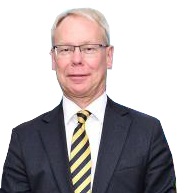
Ambassador Per Lindgärde
MELODY GATAKANGA, 26, from Katsande village in Uzumba-Maramba-Pfungwe district, was married off at the age of 15 by her father to settle his debts.
She was told by her grandmother she would be bewitched if she snubbed her father’s proposal to marry the man.
Despite her initial refusal and desire to keep attending school, Melody finally gave in.
Later, her first child tragically passed away shortly after birth due to some complications.
Her next two children, both born with cerebral palsy, are unable to walk or sit unaided.
As a young mother, Melody carried her children on her back and belly while managing household chores, clinic visits and school drop-offs, enduring physical pain and exhaustion.
Fortunately, Melody’s story has taken a drastic turn.
She is today an anti-child marriages advocate through the Give Me A Chance campaign implemented by Population Solutions for Health, with support from the Embassy of Sweden.
Melody has now started to contribute to bridging gender inequalities within her community and become an agent of positive change.
The Give Me A Chance campaign addresses structural, cultural and religious practices that perpetuate child marriages in communities.
In the process, it creates a national movement contributing to the elimination of child marriages and achievement of gender equality between boys and girls.
Melody is an active member of the community and shares her particular story at local events, raising awareness among adolescent girls about the challenges and consequences of child marriage.
Meanwhile, she is also engaged in vegetable gardening, selling her produce to the local community to support her livelihood.
Beyond the huge strength of Melody herself, it takes the efforts of many to author such turns in an individual’s life story.
Sweden is proud of being part of such efforts, together with many tireless partners across the country.
This month, the Embassy of Sweden is running the campaign #StoriesofChange, amplifying accounts such as Melody’s.
We want to show how the partners we support have contributed to concrete results in the lives of uncountable Zimbabweans across the country.
Honouring the 16 Days of Activism against Gender-Based Violence (GBV) campaign, which starts tomorrow, we share our insights as to what is necessary to achieve such results:
Leadership: Those in decision-making positions at all levels in society need to show leadership. This is essential in social change and pivotal in transforming attitudes and norms towards creating a gender-inclusive and equal society that does not discriminate people based on their gender.
Men as role models: What we also need are role models. Men need to take a stand, expressing their views in favour of gender equality to work against GBV. This is true for all levels in society, from the Government to local authorities, down to traditional leaders. Men have a very important role to play in fighting GBV.
Education: Young girls and boys need to stay in school and to complete their education; an education that provides social and emotional learning, as well as information that all human beings, boys and girls, are equal in dignity and rights. The best start you can have in life is a good education. It is indeed important for young girls to continue their education, and not drop out due to early marriages or early pregnancies. Educated girls become empowered women.
Economic opportunity: Education is not enough. Economic opportunity must also be expanded. Entrepreneurship support and access to microfinance initiatives will create economic independence for women. What is more, by empowering survivors of GBV to establish independent livelihoods, we support their efforts to bridge gender inequalities within their communities and enable them to become agents of positive change.
Support: Young girls and boys must have options to seek help and counselling. Population Solutions for Health has, with Swedish support, established a toll-free line where victims of violence can call for help and support. For assistance, individuals can contact the call centre on 08080117.
Spreading the message: Stories such as Melody’s must be amplified. The media has a central role to play in disseminating alternative narratives to reduce stigma, inspire others and create role models for positive social transformation.
Per Lindgärde is the Swedish Ambassador to Zimbabwe.



 Online Reporter