


 malvernmugadzikwa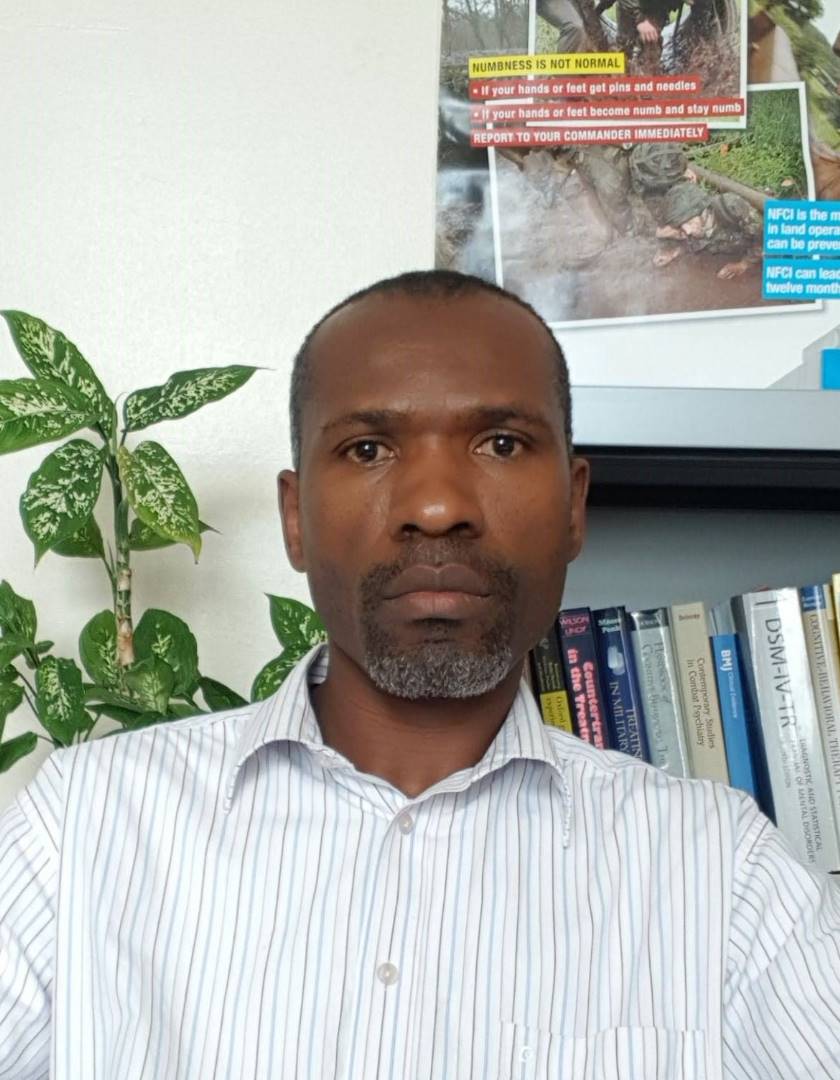
Mertha Mo Nyamande
A LOT of people live in denial about their suffering or the impact mental health has on them.
This is largely due to the fact that this is what they have always known as the norm, or they just do not want to admit it for fear of stigma. Some feel no one cares or nobody can do anything about it.
Either way, most people end up suffering in silence until challenges start showing.
It is evident that most adults we interact with speak casually about mental health and are quite defensive about it, especially when it comes to how their children may be struggling. The most common question they would ask is: How are we going to help the younger generation, commonly referred to as ama2000?
They never really look at it, as they are also a part of the problem.
Each generation has its own problems. When we were younger, our parents used to express similar sentiments about us. This creates a generational fissure.
Sadly, such problems keep getting worse as parents always feel they faced worse challenges than their children. But they fail to realise the youngsters are facing similar challenges, too.
These problems are, unfortunately, not restricted to the home, but are everywhere we go, especially in schools and workspaces.
Most adults continue to struggle with mental strain in silence, believing this is the way it has always been and is unchangeable. This does not end with the stress at the workplace, as well as the bullying and harassment that comes with it, but a lot of these issues spill over into other spheres of life.
Husbands, wives, children, wider family members and society at large are directly and indirectly affected. In some cases, this leads to substance abuse, among other addictions. In worst instances, in the long term, these problems, if left unchecked, can lead to other non-communicable diseases, particularly mental disorders. Some of them are anxiety and mood disorders, as well as personality disorders that lead to psychopathic or sociopathic presentations, resulting in many homicides we may believe to be ritualistic in nature.
All these issues can easily be addressed through the introduction of proactive approaches like involving psychologists and other psychological wellbeing practitioners that include counsellors and social workers. These can introduce a culture of a supportive environment, which is highly beneficial at work and at home.
Interventions such as group sessions to empower the worker to air personal issues that may get in the way of their work can also be used.
Those who have more defined needs can be provided with confidential individual support sessions to enable them to regain their mental strength while preserving their privacy and dignity.
Many would struggle to share their thoughts on issues they are facing due to fear that these will affect their careers, notwithstanding the associated stigmas.
It is noteworthy that mental distress is not a permanent ailment, just like a common cold or a headache. It can be brought under control with a few mental health days off work, and some short- or long-term treatment like any other physical ailment, such as blood pressure or diabetes.
Poor understanding of mental health disorders over the years, decades and centuries has made it difficult for effective remedies and interventions to gain the much-needed ground.
This has led practitioners to only respond to crises, rather than prevent the problems in the first place. Very few people proactively seek and invest in counselling or therapy to prevent deterioration of the situation.
Human resources personnel and executive managers are becoming more conscious of the much-neglected mental health issues due to the impact this is having on the functionality of their employees. This includes the impact on their productivity.
Moreover, these issues also follow them right up to their homes and their communities.
It is time to invest more into the preventive measures than waiting to mend the damage that arises. The next best time to plant that tree is now! But you will reap the benefits in the next five, 10 or 20 years.
We can no longer bury our heads in the sand. Now that we know better, we must act in the right way.
Mertha Mo Nyamande is a psychotherapist. He can be contacted on: [email protected] or @ www.i-wellbeing.weebly.com



 Bongani Ndlovu
 Online Reporter