Prosper Ndlovu in WINDHOEK, Namibia
THE long-standing political and diplomatic relationship between Zimbabwe and Namibia now needs to translate into stronger production, investment and business linkages if the two countries are to unlock their full economic potential and contribute more meaningfully to intra-African trade.
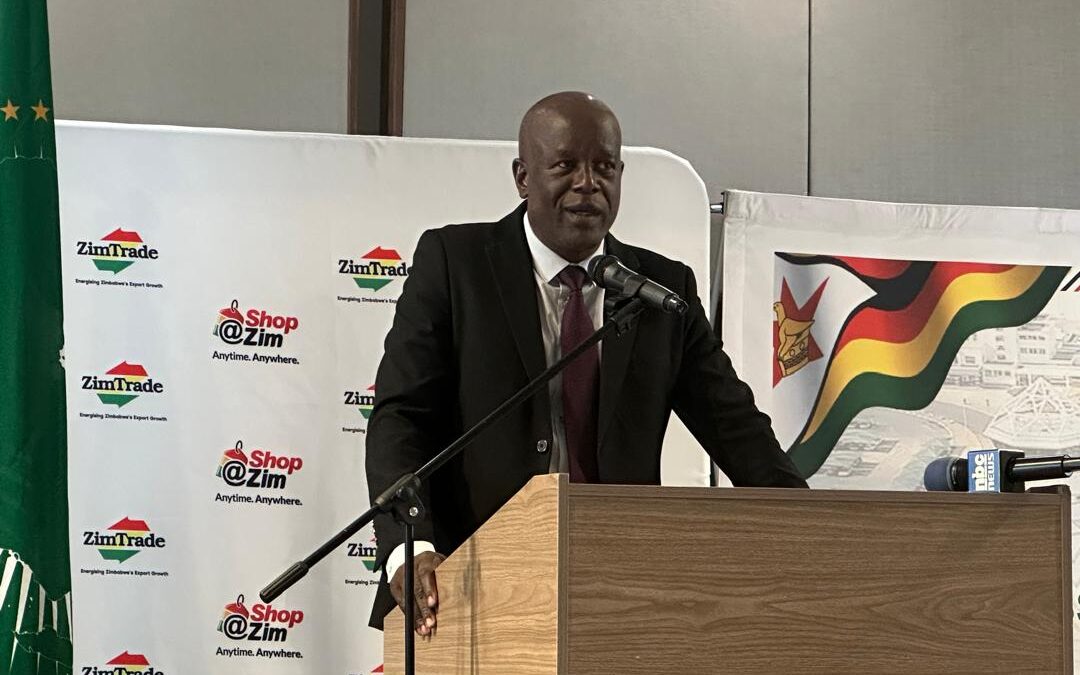
Trade Promotion Deputy Director in Namibia’s Ministry of International Relations and Trade, Mr Sakeus Kapenda, said this here on Wednesday at a business forum hosted by ZimTrade on the sidelines of the Zimbabwe Trade Mission to Namibia.
While the two countries have built strong political, diplomatic and people-to-people relations, the next phase of the relationship should be measured by what businesses produce together, how much they trade and the investments they generate, said Mr Kapenda.
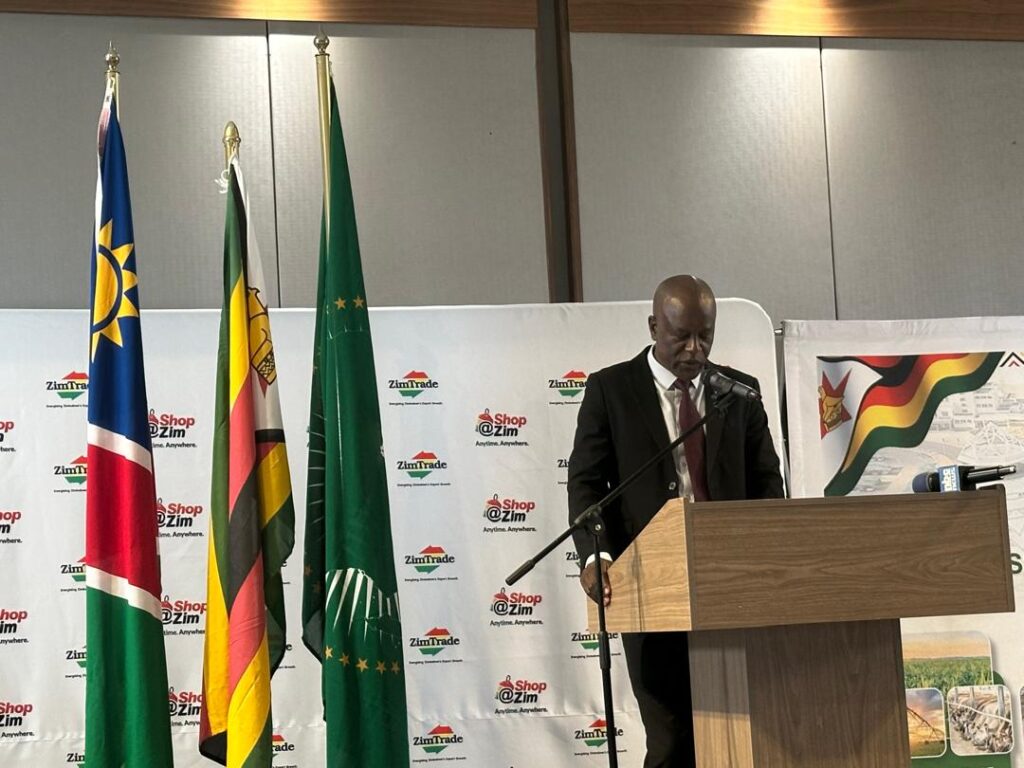
“Strong bilateral trade between Zimbabwe and Namibia must be expressed in growing volume of trade, investments and economic synergies,” Mr Kapenda said, stressing that the strength of the relationship should increasingly be reflected in the pace and scale of economic activity between the two countries,” he said.
The three-day Zimbabwe-Namibia trade engagement has brought together businesses and trade-support institutions from the two countries with the trade mission presenting an opportunity for the private sector to move beyond traditional buyer-seller relationships and explore partnerships capable of creating new productive capacity.
For Namibia, Mr Kapenda identified agriculture and agro-processing, manufacturing, mining and mineral beneficiation, pharmaceuticals, logistics, services, tourism and renewable energy among the areas where cooperation could be expanded.
The emphasis on production and value addition is particularly significant. Rather than simply increasing the movement of finished products across borders, he said deeper economic cooperation could allow Zimbabwean and Namibian companies to combine capital, technology, raw materials, skills and market access to develop regional value chains.
Such an approach, said Mr Kapenda, could create opportunities for goods to be produced, processed and traded across the two markets while positioning both countries to access wider African markets.
Mr Kapenda said the two countries had “complementary capabilities” that could be leveraged to create economies of scale and greater value within the region.
He said opportunity is not only about how much Namibia sells to Zimbabwe or how much Zimbabwe exports to Namibia but also about what the two countries can produce together and how those production networks can feed into the wider African market.
Mr Kapenda also welcomed the signing of a Memorandum of Understanding between ZimTrade and the Namibia Investment Promotion and Development Board (NIPDB), describing it as an important institutional step towards strengthening trade and investment promotion, facilitating business linkages and supporting exporters and investors from both countries.
He also welcomed the renewal of cooperation between Namibia’s Ministry of International Relations and Trade and ZimTrade, particularly given the importance of agriculture and agro-processing to both economies.
However, Mr Kapenda cautioned that such agreements should not remain formal instruments without measurable commercial outcomes.
“Their real value lies in the business partnerships they help create — investments facilitated, infrastructure developed, products introduced into new markets and trade transactions generated as a result of this cooperation,” he said.
Mr Kapenda said Namibia’s Ministry of International Relations and Trade remained committed to initiatives that support increased intra-African trade, industrial development and economic diversification.
For Zimbabwe and Namibia, this means looking at bilateral trade not as an end in itself, but as part of a larger effort to build competitive African supply chains.
Mr Kapenda also highlighted the importance of rules of origin, noting that products traded under regional arrangements need to meet the applicable requirements for goods originating within member states. He encouraged businesses to make use of certificates of origin and other mechanisms that facilitate legitimate preferential trade.