peter
peter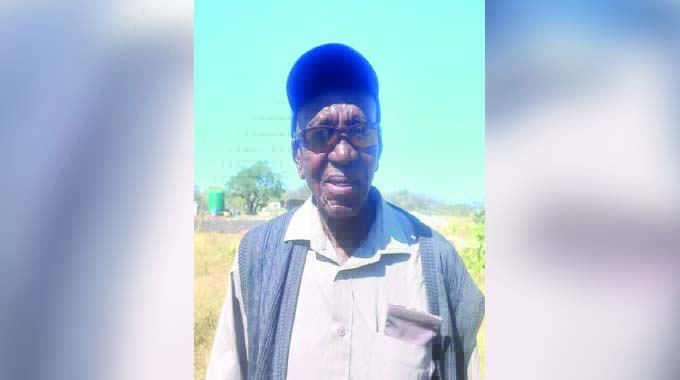
Sukulwenkosi Dube-Matutu, [email protected]
FARMERS in Gwanda District have commended capacity building programmes that equip them with new skills and enhance their adaptation to the shifting climatic conditions while promoting food production and self-sufficiency at a local level.
Through the “Study Circles” project, which has been implemented in seven wards in the district by the Edward Ndlovu Memorial Trust, farmers say they have managed to improve their agricultural processes.
The capacity building programme started in 2008 and has helped create a platform for farmers to develop adaptive solutions to improve livelihoods through learning and sharing experiences.
The initiative has helped farmers boost their various projects such as goat keeping, poultry, integrated gardens, crafts and fish farming.
One of the beneficiaries, Mr Donald Ncube, said his crop, goat and poultry production has improved as a result of the study circle methodology.
“We have a study circle group where we focus mainly on three farming areas, which are crop production, goat breeding and chicken rearing. I have gained vast knowledge through our interactions with other farmers,” he said.

“When I look at the way I did my farming 10 years back and now, I see that there is great change. Farming is now more of a business for me rather than a means for me to grow food for my family. That way I’m able to feed my family and also have a source of income.
“We meet twice a month as a study circle. Agritex extension officers and officers from the Department of Veterinary Services capacitate us. They don’t impose information on us, but allow us to take the lead,” he said.
Mr Ncube said farmers have been equipped with knowledge on producing stockfeed and production of cash crops through their study circles, which also have practical sessions.
Another farmer, Ms Gean Dube, said they have relevant literature to use during their study circle meetings, which offer general knowledge while others are on farming. She said literacy was a key factor for a farmer to run a smooth enterprise.
“In the past, I knew little about vaccinating goats. Whenever one of my goats was ill, I would slaughter it because it could not be consumed if I left it to die.
“Now I know about dosing and vaccinating goats. We used to sell our goats at a very cheap price to local butcheries, but we now know that there is a market price and to get the best price, I have to feed my goats well for better performance,” she said.
Mrs Sibongile Dube said the study circles offer a platform for experienced farmers to share knowledge with new farmers and also learn from them. She said she is now a seasoned goat breeder and enjoys to share her knowledge and experiences with other farmers.
Mr Loveness Ndlovu, chairperson of the Gwanda District Association Study Circle, said they were operating within villages as they have associations at ward and district level, which enhances co-ordination.
Edward Ndlovu Memorial Trust director, Mr Michael Moyo, said the study circles programme follows a co-operative approach, which encourages farmers to come together, analyse their problems, learn together, pool their resources in small groups in order to increase their power and ability to push back the frontiers of poverty.

He said the aim of the study circles is to bring farmers together to take collective action and generate solutions to common problems. In the process, farmers are equipped with skills they need to effect change within their communities.
Mr Moyo said the programme is part of efforts to boost production and ensure food and nutrition security in communities towards attainment of Vision 2030.
“Under the study circle methodology, we group six to 12 people who have a common interest. They come together and we capacitate them on the specific programme, which they want to implement,” he said.
“If we don’t have a person with the specific skills within the organisation then we engage consultants who train the farmers, who then go on to train other farmers. We have study circles at village level and ward associations, which are made up of various study circles and then we have a district association.
“The concept behind these study circles is to ensure that farmers share knowledge and experiences in their various farming enterprises. We don’t impose projects on farmers, but we work with what they have and the projects they wish to embark on,” he said. —@DubeMatutu


 Online Reporter