admin
adminand militia, the army said yesterday, part of a wave of violence in the territory ahead of its independence in July.
Forces loyal to two renegade army commanders fought the southern army (SPLA) in Jonglei and Unity states, killing soldiers, rebels, northern tribesman and civilians, SPLA spokesman Malaak Ayuen said.
South Sudanese voted in January to separate from the north, which will split Africa’s largest nation in July. The poll was promised in a 2005 peace deal that ended decades of civil war.
The violence has undermined the peace process and analysts warn the oil-producing south risks becoming a failed state after independence and destabilising the whole region. This year the SPLA has been at war with at least seven rebel militia, while the region is wracked by traditional tribal conflicts and faces routine raids in its west from Uganda’s Lord’s Resistance Army rebels, according to the United Nations.
The violence in nine of the south’s 10 states has killed more than 800 people – excluding those who died in the last two weeks — and displaced nearly 100 000 people, the UN said.
Ayuen said an offensive in Unity state by renegade SPLA officer Peter Gadet since Tuesday has killed 101 people.
“In the fighting in Unity state, we have lost 26 SPLA soldiers and at least 70 rebels have been killed, probably more,” he said, adding the figures did not include a clash on Sunday when the SPLA pursued the rebels towards the border with the north.
Three women and two children were killed after being caught in the crossfire, while the other dead were fighters, he said.
The semi-autonomous southern government accuses Khartoum of supporting and mobilising the militias against Juba to create instability and keep the south weak and reliant on the north’s oil infra structure. Khartoum denies the allegation. Some 75 percent of Sudan’s 500 000 bpd oil production comes from the south but the refineries and port are in the north.
A spokesman for Gadet’s rebels had previously told Reuters they would continue “until victory” because they were fighting to overthrow the southern government, which they say is corrupt and neglects tribal minorities and rural communities.
Oil production in the state was disrupted by the violence, according to state officials, who said they first expelled then re-admitted northern Sudanese workers to oil areas, underscoring the threat insecurity poses to the economy. – Reuters.


Online Reporter
- Herald
- July 31, 2026
- 2 views
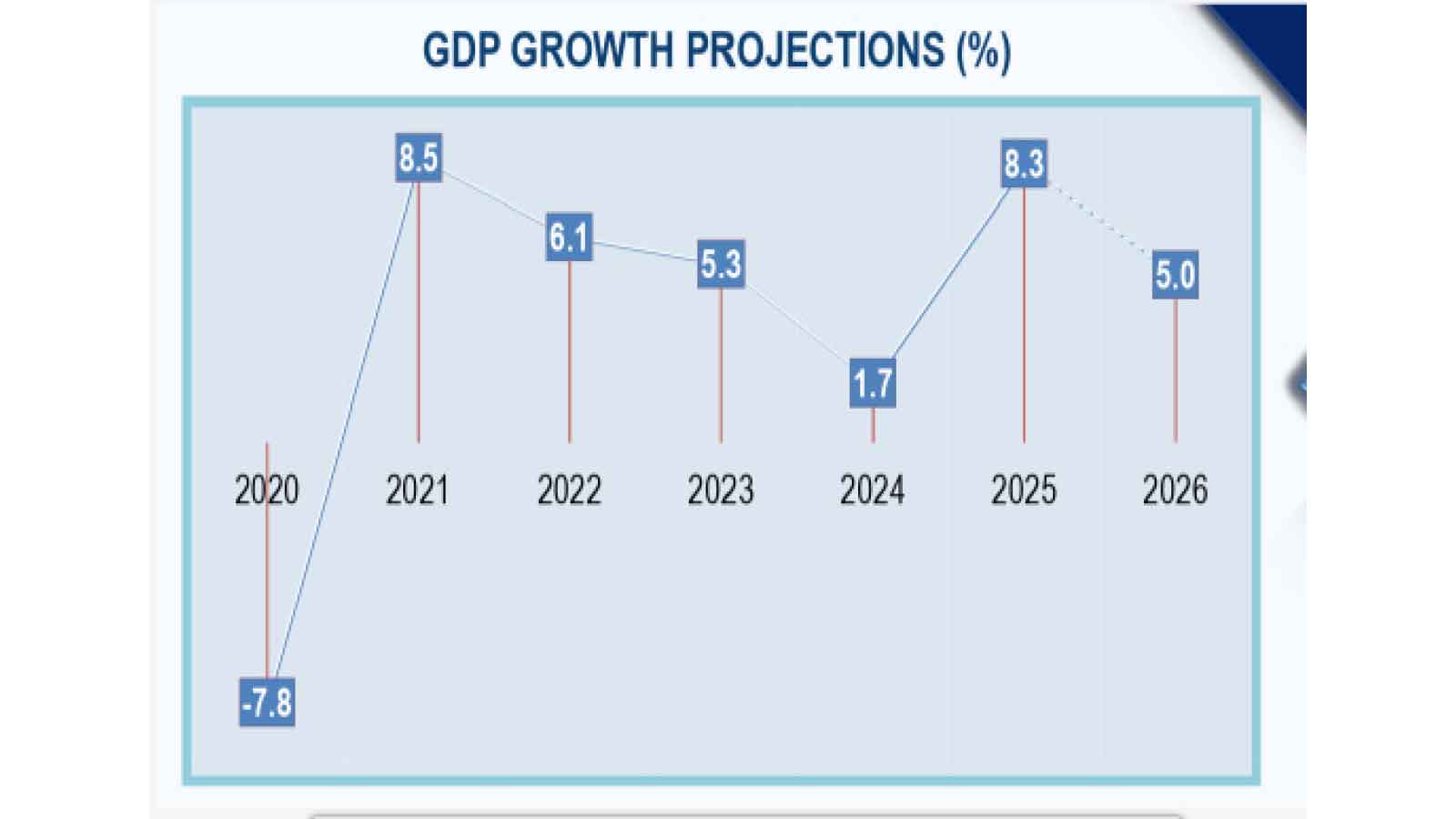
Stable inflation fuels 6.8pc Q1 growth as Zim outruns projection
Nelson Gahadza Senior Business Reporter Zimbabwe’s stable inflation environment has created the conditions for stronger-than-expected growth, with the economy expanding by 6,8 percent in the first quarter of 2026, putting…