admin
adminJUBA.
Euphoria gripped south Sudan yesterday as people celebrated the eve of an independence referendum that will give them the opportunity to break with the north after five decades of devastating conflict.
Campaigning was officially banned after final rallies on Friday but pro-independence posters and the ubiquitous black, red and green of the southern flag loudly proclaimed the public mood.
The autonomous government, which has been in charge of security across the south since a 2005 landmark peace deal between the former rebels and Khartoum, deployed extra police and troops as a host of world figures descended on the region for the big day.
At candle-lit roadside tea stalls and outside darkened corrugated-iron shacks, one of the world’s most impoverished populations sat around late into the night eagerly awaiting the looming end of the long countdown to the momentous vote.
Celebrations in the regional capital Juba ran into the early hours of yesterday after an array of free events, including concerts by local music stars and a tournament of south Sudan’s best loved spectator sport, basketball, which has provided it with an array of super-lofty stars in the US NBA.
“There’s only one day to go until the vote,” exalted a slightly intoxicated Santos at a free-entry gangster-rap club on the banks of the White Nile.
“Here, you can drink but in Khartoum, it’s illegal. We’re going to say bye-bye to the Arabs.”
It was the imposition of Islamic sharia law across Sudan that triggered fighting in 1983. That war alone lasted two decades and claimed an estimated two million lives. The conflict between the Moslem, mainly Arab north, and the African, mainly Christian south, has blighted Africa’s largest nation virtually since independence from Britain in 1956, fuelled by ideology and resources as well as religion and ethnicity.
In an interview late on Friday, President Omar al-Bashir, an army man who led the brutal civil war with the rebels for a decade and a half before finally striking the 2005 peace deal, said he did not believe the south was ready for independence.
“The south does not have the ability to provide for its citizens, or create a state or authority,” Bashir told Al-Jazeera television. “The south suffers from many problems. It’s been at war since 1959,” he said.
“They believe that the cause of all this suffering is that the south is under the control of the north and they think that they can only end this suffering by separating the north from the south.”
Bashir said he worried about the impact on the north of the problems an independent south would inevitably face.
“If there is a war in your neighbour’s house, you will not be at peace.”
But for southerners the idea that they cannot run their own affairs, however blighted they have been by the long years of conflict, is anathema.
To make the point, regional president Salva Kiir signed 16 measures into law in front of the international Press on Friday in a move his spokesman said showed the sovereignty of the south and “clears the legal vacuum”.
The regional government also rolled out a major security operation as it welcomed a host of big names for the launch of the week-long polling, including Hollywood actor George Clooney, former US president Jimmy Carter and ex-South African president Thabo Mbeki, as well as a raft of Western envoys. — AFP.


Online Reporter
- Chronicle , SundayNews
- September 19, 2026
- 13 views
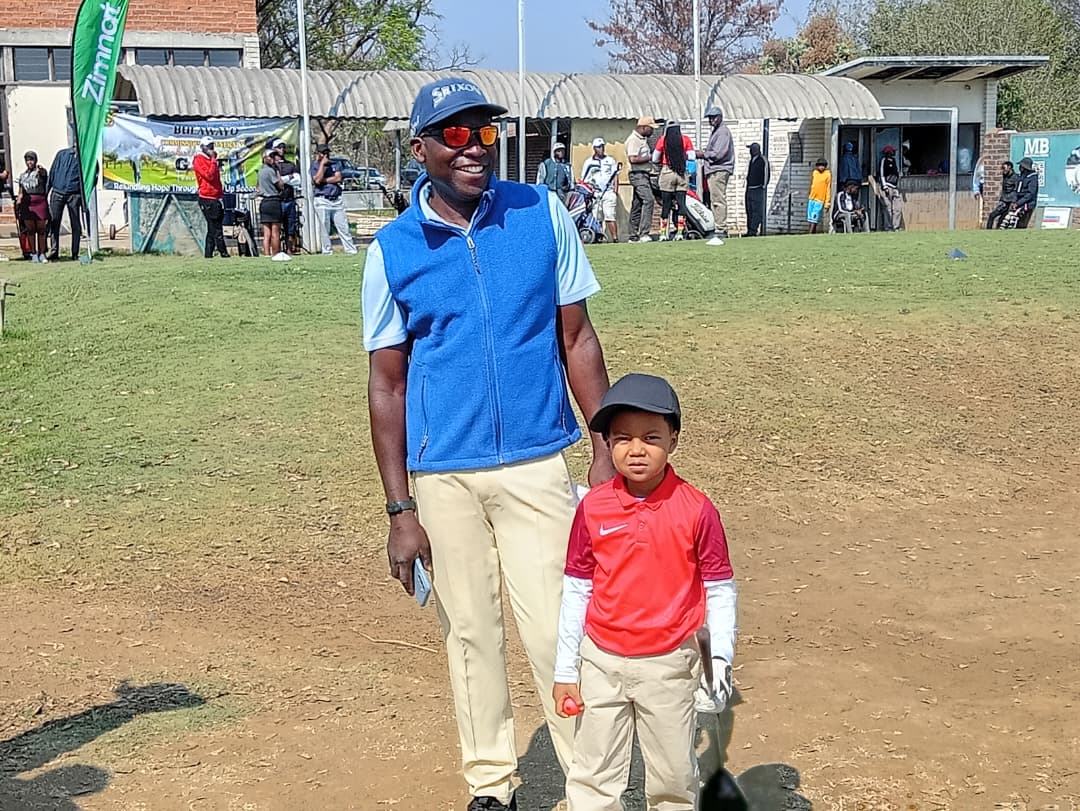
WATCH: Scores gather for prisons golf tournament
Lovemore Dube [email protected] SCORES of golfers, including inmates from Bulawayo and Khami prison, gathered at Harry Allen Golf Club in Bulawayo on Saturday for the Commissioner-General’s Goodwill Trust Fund Golf…